Hungarian myth/folk and history serve as the backdrop for Ava Reid’s immersive debut novel, The Wolf and the Woodsman. Women in Évike’s small village of Keszi are regularly taken captive by the Royal Order of the Woodsmen and brought to Király Szek (the seat of the King), on the King’s orders because the wolf girls practice magic. The reasons behind these royally decreed abductions is not initially clear to Ava’s people, but at the start of the novel other than to amass and abjure with their magic. Évike is pushed to be the latest captive even though she has no magic. Only one seer remains for her people and they need her. Once she is a prisoner of the Woodsmen, the story fully takes off.
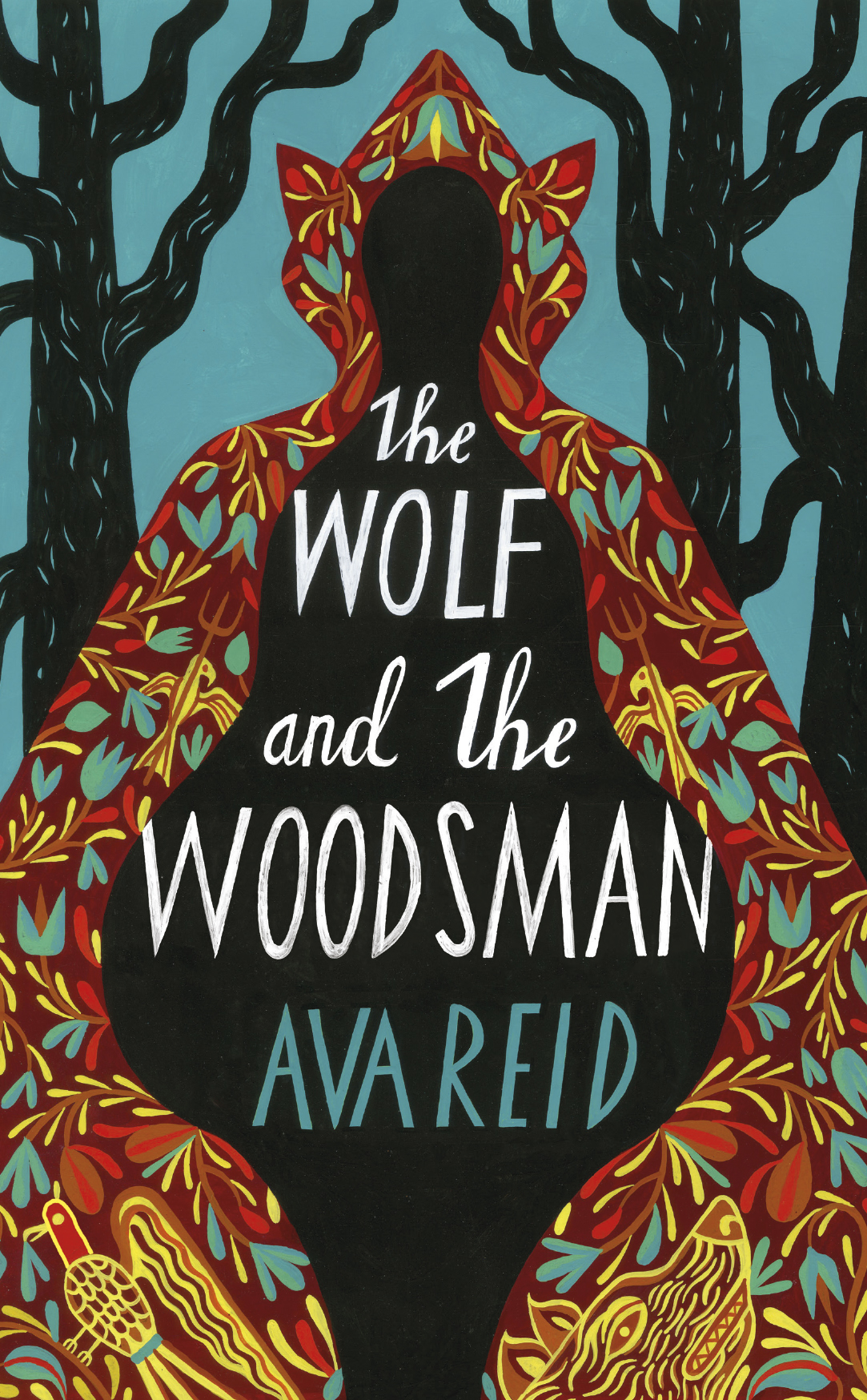
In her forest-veiled pagan village, Évike is the only woman without power, making her an outcast clearly abandoned by the gods. The villagers blame her corrupted bloodline—her father was a Yehuli man, one of the much-loathed servants of the fanatical king. When soldiers arrive from the Holy Order of Woodsmen to claim a pagan girl for the king’s blood sacrifice, Évike is betrayed by her fellow villagers and surrendered.
But when monsters attack the Woodsmen and their captive en route, slaughtering everyone but Évike and the cold, one-eyed captain, they have no choice but to rely on each other. Except he’s no ordinary Woodsman—he’s the disgraced prince, Gáspár Bárány, whose father needs pagan magic to consolidate his power. Gáspár fears that his cruelly zealous brother plans to seize the throne and instigate a violent reign that would damn the pagans and the Yehuli alike. As the son of a reviled foreign queen, Gáspár understands what it’s like to be an outcast, and he and Évike make a tenuous pact to stop his brother.
As their mission takes them from the bitter northern tundra to the smog-choked capital, their mutual loathing slowly turns to affection, bound by a shared history of alienation and oppression. However, trust can easily turn to betrayal, and as Évike reconnects with her estranged father and discovers her own hidden magic, she and Gáspár need to decide whose side they’re on, and what they’re willing to give up for a nation that never cared for them at all.
Évike and her captors are traveling back to the King when the group is attacked by monsters, only Évike and the Woodsman’s one-eyed captain Gáspár remains. The two characters have an in-born hatred for each other since Évike and her people are considered pagans and Gáspár’s people are more or less chosen by God, in his own words. As they journey across the dirty, dangerous, and vivid landscape, Évike and Gáspár find they must trust each other if they are to survive. When Gáspár reveals he is a Prince, the two become closer not because he’s a prince, but because he reveals a vulnerability and a burgeoning trust grows between the two characters. Gáspár also speaks of the fear and disdain he holds for his stepbrother Nándor the presumptive heir of the throne.
Gáspár further reveals something that may change the fate of his future, and more importantly, that of Király Szek. The Turul, a bird of prey that is a great symbol of Hungarian myth. As the unlikely duo quest for the bird, they encounter monsters, witches, and other sorts of mythological and magical creatures and locales. Going into too much detail would spoil the joy of discovery.
The most striking and impressive element of this novel is that it is Ava Reid’s first published novel. The narrative, the characters, and the immersive nature of the story would lead me to believe Reid has published at least a half dozen novels prior to The Wolf and the Woodsman. The story is unflinching and uncompromising from the moment it begins, Reid wastes no time revealing a world that can be brutal and the story takes off almost immediately.
Told through Évike’s voice in first person narrative, Reid put a lot of proverbial pressure on Évike. I found her to be bold, honest, and uncompromising. The story diverts from the mainline narrative to recount stories that have informed the characters and world, the folk tales that provide a moral compass and a hint of the history of the people who inhabit the landscape depicted in the Wolf and the Woodsman. What this does for me is impart just how powerful and important story is, not just to Reid and her characters, but to people and human understanding as a whole.
Reid’s character work in the novel maybe the strongest element of the overall story. Évike and Gáspár have a great deal of inner conflict, due in large part to their upbringing and how their younger days shaped who we are when we meet them on the page. There’s a palpable tension that comes across quite strongly as the two try to overcome their own stressors, prejudices, and struggles in their growing relationship. In Nándor, she’s crafted quite the menacing protagonist. He is depicted as beautiful, charismatic, and brutal, which is a deadly combination. There’s some resonance between him and some familiar authoritarian figures of very recent history who espouse a view that can be described as racism and ethnic “purification.”
I’ve seen quite a few comparisons, including in the pre-publication blurbs and buzz, to Naomi Novik’s Uprooted and there’s no doubt a resonance between Reid’s fable/folk tale feel and Novik’s great novel. What I also was reminded of was some of the grimdark fiction I’ve read over the years, books like Mark Lawrence’s Broken Empire/Red Queen’s War and Joe Abercombie’s connected novels. I mentioned the dirty, gritty feel of the world and the drudging, earthy aspect of Reid’s world came through the page with vibrancy. Her prose is powerful and beautiful in the way it conveys the bloody, raw world Évike and Gáspár travers.
Ava Reid has boldly announced herself as a literary force with The Wolf and the Woodsman. The novel is impressive in its beauty, characters, and uncompromising nature and is all the more impressive for being Reid’s debut novel. I would not be in the least bit surprised if The Wolf and the Woodsman lands on multiple “Best of the Year” lists for 2021.
Highly recommended.
© 2021 Rob H. Bedford
Harper Voyager | June 2021
Hardcover | 432 pages
Excerpt: https://preview.aer.io/The_Wolf_and_the_Woodsman-Mzk1Nzg2?social=1&retail=1&emailcap=0
Author Web site: https://avasreid.com/
Review copy courtesy of the publisher