I Know What I Like: Trollheart's History of Progressive Rock and Progressive Metal

And so we come to the end of 1968. While there were some very influential and important albums released this year (the second efforts from Floyd and Procol Harum, Soft Machine's debut, Zappa's lunatic masterpiece) I feel the progressive rock iceberg was still about ninety-eight percent still submerged under the waters, with only the barest glimpses being given of what was to come. It wouldn't really be until 1970 that really classic prog rock albums would come to the surface, but 1969 does have at least a far longer list to choose from, and with bands like King Crimson,Yes and Van der Graaf Generator - to say nothing of Genesis - entering the fray, you can probably begin to see the first real shapes beginning to emerge in the portrait prog rock would draw through the seventies.

I have to admit, I haven't been overly impressed with the crop so far. Even back to 1967, with a few exceptions these come across as bands trying to tentatively cross over the borders from blues or psychedelic rock to the new genre, or in the case of some, like The Nice, performing a balancing act by keeping one foot firmly on the ground of classical and jazz music while trying to stretch over and see how far they can make it into rock territory before losing their equilibrium and falling back on one side or other of the fence. Nobody strikes me as really going for it: even Floyd have still at this point the ghost of Syd Barrett to deal with, and until they shook that free in 1973 they would never really quite be regarded as a pure progressive rock band. It would take five more albums until they would finally hit the winning formula and define the sound of a generation. The Moody Blues would continue testing the boundaries, while Zappa would delight in kicking them down and trampling on them while scrawling rude messages on the brickwork, but would never really fall into the same category as the likes of Rush, Genesis, Camel and Yes. Jethro Tull would fart about for a few more years before finally deciding to go all-in with Aqualung in 1971, while Soft Machine would tread their own weird path into the seventies and The Nice would disband to allow Emerson's ego a much larger stage to strut on from 1970.

1969 was, though, when things began to get interesting, and that's where we're headed next.
 
Chapter II: Children of the Revolution

It may seem odd to speak in terms of revolution when talking about a genre of music that has become identified with being one of the most indulgent, self-absorbed, overblown and pretentious in rock music, but back when prog rock was just forming as an idea, its ideals and intentions were certainly seen as outside the norm. Rock music had, until then, and for some time after too, been based on pretty standard formats: four/four time, verse-chorus-verse, and with lyrics mostly concerning love, sex, parties or other "earthy" subjects. To paraphrase and mix Shakespeare and Paddy McAloon, progressive rock musicians began to see that there were more things in Heaven and Earth than just cars and girls.

So they experimented with new time signatures, odd changes of rhythms and tones, different instruments and began to look beyond the tried and trusted lyrical content of rock and roll, bringing in elements from fantasy, literature, mythology and the emergent science-fiction, as well as the also emergent fascination with mind-expanding drugs, much of which enhanced and in some cases informed their music. To the staid and button-down rock scene of the late sixties, this was indeed nothing short of a revolution.

While we've certainly reviewed and listened to some very interesting, even pivotal albums in the genre from 1967 and 1968, in a very real sense 1969 was where it all really began for prog rock. With the summer of love fading away to a distant memory as the sixties drew to a shuddering close, and Vietnam looming large in the headlines as it would for another five years, psychedelic rock began to recede as hard rock took a more central role, both in the US and in Europe, with Woodstock sounding both the climax and the last hurrah for the hippy generation. Peace and love was at an end, and protest against an unjust war and a corrupt administration was on the agenda. Flower power was out, and people power was in.

None of which in the least sowed the seeds for the birth and eventual dominance over the seventies of progressive rock, which at its heart had little or no protest, few interest in politics or current events, and really in many ways was the music industry retreating into itself, hiding in the trappings of a softer, happier time and largely ignoring the events taking place around it. Certainly, as time went on, prog bands got more politically aware, but really for most of the seventies they were more concerned with singing about towers in far-off lands, dragons and wizards and higher states of consciousness. Rarely if ever did a prog band take on the issues of the day, and in this way perhaps they made themselves a target for the slavering beast of punk rock, which was waiting its chance to leap upon them and savage them as it snarled and growled and spat at the establishment, and roared in a primordial and often extremely raucous and off-key voice its disenchantment with the status quo.

But that particular showdown was yet almost a decade away, and as American students protested and chanted “Heck no! We won't go!”, thousands of miles across the ocean to the west four friends at Charterhouse Public School were getting together and putting ideas down for a music group, a barman met a bassist and they began gigging at the Marquee, trying out various names for their new band before deciding on Yes, Robert Fripp prepared to unleash King Crimson on an unsuspecting world while Peter Hammill made his entrance with much less fuss, and The Beatles were putting the finishing touches to what would be their penultimate album, a true classic that was destined to be remembered for all time and enshrine the name of the studio where it was recorded in music history.

1969: the year hold almost mystic significance as the world prepared to move into a new decade, and a new way of doing things. The old ways, the old music, held on to so long by the guardians of the values of World War II and the fifties, were slowly being eroded away, and the new decade would belong irrevocably to the young. As synthesisers became more widely available and used, and bands branched out, embracing non-standard instruments such as violin, cello, harmonica, harp, mandolin and saxophone, a whole new sound, grounded in and conceived by the bands who had ushered in the beginnings of the prog rock movement over the last two years was about to come to fruition, and a new type of music was about to be born. Having given vent to its birth cries in bands like The Moody Blues, Camel and Procol Harum, progressive rock was beginning to feel its teeth grow, and its little fingers busily reached for the necks of guitars and the keyboards of pianos, while strange, half-formed ideas flitted through its impressionable mind as lyrics began to spool out like broken scenes from a film it was too young to see, never mind understand.

As hard rock and heavy metal would go one way - and eventually the twain would meet, much later - progressive rock would take the other direction and explore the road less travelled, and in the process would have a profound influence on the history of music for the coming decade.
 
A lot of really pivotal bands were formed in this year, and as we did for the previous year let's take a rather quick look at who they are, and what sort of an impact, if any, they would have on the scene. Obviously, once we get into their albums I'll talk more about them, and some will certainly deserve their own article, but for now here's the list.

Atomic Rooster (1969 – 1975 (i), 1980 – 1983 (ii))

Nationality:
British
Original lineup: Vincent Crane, Carl Palmer, Nick Graham
First relevant album: Atomic Roooster, 1970
Atomic_Rooster.jpg

Impact: 7
The Trollheart Factor: 1
Linked to: The Crazy Word of Arthur Brown, ELP

Not many bands can say they opened for Deep Purple. Fewer can say that Deep Purple opened for them! But after the breakup of The Crazy World of Arthur Brown and following his recovery from mental illness, founder Vincent Crane got together with later ELP skinsman Carl Palmer and one of the most important prog rock bands of the seventies was formed.

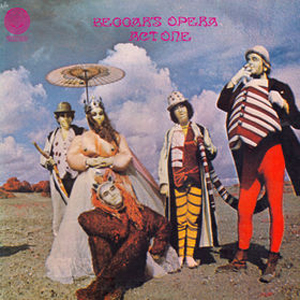
Beggars Opera (1969 – 1976 )

Nationality:
British
Original lineup: Ricky Gardiner, Alan Park, Raymond Wilson, Marshall Erskine and Martin Griffiths
First relevant album: Act One, 1970
cover_5532125102008.jpg

Impact: 2
The Trollheart Factor: 0
Linked to:

One of the few, perhaps the only progressive rock band to come out of Scotland before the neo-prog revival of the eighties, Beggars Opera lasted for three albums and a total of seven years before they broke up. Founder Ricky Gardiner later worked with David Bowie and Iggy Pop.

Egg (1969 – 1972 (with a brief revival of sorts in 1974))

Nationality:
British
Original lineup: Dave Stewart, Mont Campbell and Clive Brooks
First relevant album: Egg, 1970
Egg-1970.jpg

Impact: 4
The Trollheart Factor: 0
Linked to: Hatfield and the North, National Health

Another prog band who didn't have too great a time of it. With their debut album released and relatively well received, they seem not to have wanted to put out the followup, and their third album only came about after the split of the band in 1972. Egg also peripherally featured folk supremo Steve Hillage, though in a previous incarnation of the band and before they became Egg.

Eloy (1969 – )

Nationality:
German
Original lineup: Frank Bornemann, Erich Schriever, Manfred Wieczorke, Wolfgang Stocker and Helmuth Draht
First relevant album: Eloy, 1971
Eloy-Eloy.jpg

Impact: 4
The Trollheart Factor: 4
Linked to:

One of the few German progressive rock bands not to be linked to the Krautrock movement, Eloy were in fact pioneers in German rock history, being among the first bands in that country not to just play covers but to compose their own material. Their name is taken from the enlightened humans in the HG Wells novel “The Time Machine”. They are still active today (albeit being in hiatus from 1998 to 2009) although their last album, to date at any rate, was that one in 2009.

Focus (1969 – 1978 (i) 2002 - (ii))

Nationality:
Dutch
Original lineup: Thijs van Leer, Jan Akkerman, Hans Cleuver, Martijn Dresden
First relevant album: Focus plays Focus/In and out of Focus, 1970
440px-Focus_Plays_Focus.jpg

Impact: 6
The Trollheart Factor: 1
Linked to:

There's never quite been a thriving Dutch prog rock scene, but Focus were the ones to blaze a trail for the Netherlands and are probably best known for the hit single “Hocus Pocus”, as well as having guitarist Jan Akkerman in their ranks at one time.

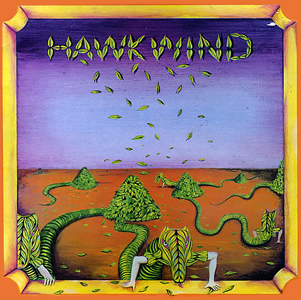
Hawkwind (1969 – )

Nationality:
British
Original lineup: Dave Brock, Nik Turner, Huw Lloyd-Langton, Michael Davies
First relevant album: Hawkwind, 1970
Hawkwindalbum.jpg

Impact: 10
The Trollheart Factor: 8
Linked to: Space Ritual, Motorhead, Pink Fairies, Inner City Unit

Perhaps one of the true progenitors of space rock, and certainly one of the first major bands to cross over into prog rock, Hawkwind are often known for being the springboard for later Motorhead vocalist and founder Lemmy Kilminster, but he did not join until 1971. Hawkwind use science-fiction and fantasy as well as classical literature in their lyrics, make a lot of use of feedback and spoken passages, effects and soundscapes. They are one of the oldest progressive rock bands, having never split up or taken a break, and have been going strong now for a total of fifty-one years!

Organisation (1969 – 1970 )

(Already mentioned in the “Before the Storm” feature)

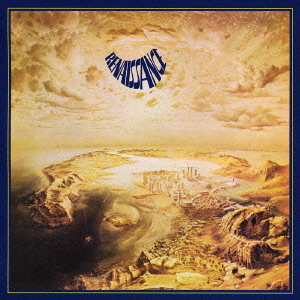
Renaissance (1969 – 1987 (i) 1998 – 2002 (ii) 2002 - (iii) )

Nationality:
British
Original lineup: Annie Haslam, Jim McCarty, Keith Relf, John Tout, Michael Dunford, Jon Camp and Terry Sullivan
First relevant album: Renaissance, 1969
RenalbumUK.jpg

Impact: ?
The Trollheart Factor: 1
Linked to:

I must admit, I only know of Renaissance through the hit single “Northern Lights”, and for some reason thought they were Canadian! It seems they've been around from the start though, and are still going, having released a total of thirteen albums, so I had better get reading up on them! They are the first of the bands featured here to actually have released their debut in 1969, so we'll obviously be looking at it.

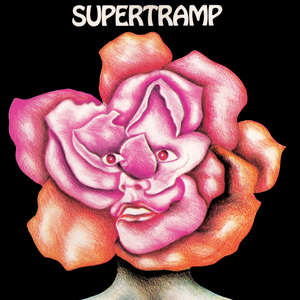
Supertramp (1969 – )

Nationality:
British
Original lineup: Rick Davies, Roger Hodgson, Richard Palmer, Robert Millar
First relevant album: Supertramp, 1970
Supertramp_-_Supertramp.jpg

Impact: 5
The Trollheart Factor: 9
Linked to:

Although many will scoff at the inclusion of Supertramp as a prog rock band, that is how they started out, later metamorphosing into a sort of Genesis pop clone with hit singles like “Breakfast in America”, “Dreamer” and “The Logical Song”. Despite their later becoming the creative nucleus of the band and penning some of their greatest hits and best known songs, both Davies and Hodgson were initially reluctant to write lyrics for their debut album and left this to Richard Palmer, with the result that their first album is really nothing like what they would become known for. Although technically there were two incarnations of Supertramp, the one with Hodgson and the one that continued on after he left in 1982, the band never officially broke up so in reality they have been going since 1969, and are still going today, after a fashion. In essence, this gives them the honour of having been in the business as long as Hawkwind. As have...

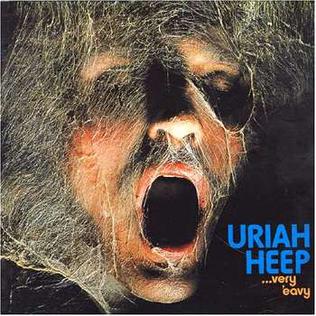
Uriah Heep (1969 – )

Nationality:
British
Original lineup: Mick Box, David Byron, Alex Napier, Paul Newton, Ken Hensley
First relevant album: Very 'eavy, very 'umble, 1970
VeryEavyVeryUmble.jpg

Impact: 8
The Trollheart Factor: 5
Linked to:

Another band who have been going since '69 without a break, Uriah Heep have recorded twenty-four albums, their latest being released last year. Founder Mick Box is the only remaining original member.

So those are the main bands - there were others of course, but I have chosen not to feature every one of them - that got together this year although most if not all of them would not have an album released for at least another year. As for the albums we're going to look at for 1969...
 
From Genesis to Revelation - Genesis
FromGenesistoRevelation.jpg

If I followed my own rules then this should not be featured at all, as although it was Genesis's first album, it was far from being a progressive rock one. It's certainly more in the gentle folk area, and what's more, it doesn't even feature Steve Hackett or Phil Collins. But then again, it was the first anyone had heard from Genesis, so, as they say, suck it.

Uncle Meat - The Mothers of Invention
Frank_Zappa_-_Uncle_Meat.jpg

Frank Zappa, isn't it enough that you haunt my dreams, skulking through my sleeping hours like some sort of spectral bogeyman waiting to assault my ears with nonsense and atonal sounds? Must I listen to an album of yours every year? It seems I must. This was another strand of the “No Commercial Potential” project Zappa created, of which we've heard already We're Only In It For the Money.

On the Threshold of a Dream - The Moody Blues
Thresholdofadream.jpg

Another concept album from a band who were fast becoming one of the flag-bearers for the emerging progressive rock movement, this was the album that lifted the Moody Blues into the heady heights of number one position for their album, and into the top twenty cross the pond, though its only single failed to create even a ripple (geddit?)...

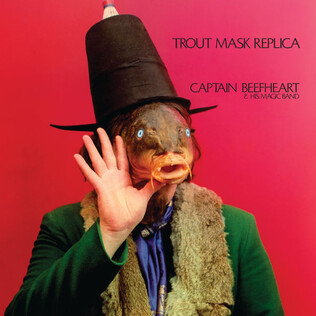
Trout Mask Replica - Captain Beefheart and his Magic Band
Trout_Mask_Replica.png

If there's one album I look forward to listening to the least it's this. I did listen to it a while back and what I heard did not impress me. But as it is supposedly a very influential album on the genre I accept that it must be featured.

Yes - Yes
Yes_-_Yes.jpg

Not to be confused with The Yes Album, this was the debut from a band who would go on not only to define progressive rock, but the more bloated excesses of it.

Abbey Road - The Beatles
Beatles_-_Abbey_Road.jpg

I have my doubts about this one. I know it's seen as a seminal Beatles album with an iconic cover, but did it impact upon the prog rock scene? I'll leave it here for now, and await the judgement of those of you who can answer this question better than I.

The Nice - The Nice

Third album from The Nice. I'm not too certain about this one either; was it important? Have we heard all we need to of Keith Emerson's first band?

Volume Two (The Soft Machine Album) - Soft Machine
Soft_Machine-Volume_Two-Cover.jpg

Second album from Soft Machine.

The Aerosol Grey Machine - Van der Graaf Generator
Debut album from Van der Graaf Generator
Van%20Der%20Graaf%20Generator%20-%20The%20Aerosol%20Grey%20Machine.jpg


In the Court of the Crimson King - King Crimson
In_the_Court_of_the_Crimson_King_-_40th_Anniversary_Box_Set_-_Front_cover.jpeg

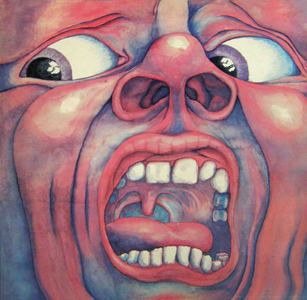
An album that would go on to have a profound effect on prog rock, introduce the world properly to the genius of Robert Fripp, and become a classic of the genre, how could we not feature King Crimson's seminal debut?

Hot rats - Frank Zappa
Hot_Rats_%28Frank_Zappa_album_-_cover_art%29.jpg

Just can't get away from this guy, can I?

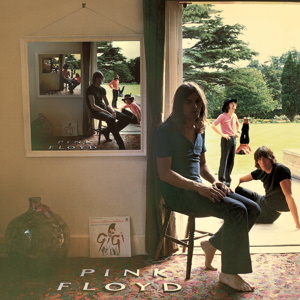
Ummagumma - Pink Floyd
PinkFloyd-album-ummagummastudio-300.jpg

Double album by a band who would go on to become one of the most important in the genre. Half of it is live, while the rest is made up of solo work from each band member. In case anyone's wondering, I've left out More as it's a film soundtrack and I don't think needs to be visited. If I'm wrong, please let me know.

To Our Children's Children's Children - The Moody Blues
Childrenschildrenschildren.jpg

Yes, they had two albums released this year. We'll be taking a look at both.

Renaissance - Renaissance
RenalbumUK.jpg

One of the only bands formed this year to put out an album that same year, this is the debut album from Renaissance.

Phallus Dei - Amon Duul II
Phallus_dei.jpg

Often cited as the first real Krautrock album, this was the debut album from Amon Duul II.


As you can see, the amount of albums released by 1969 far outstrips those released in the previous year, and as we move into the seventies and beyond this will only increase. While not every one of them is important, essential or even relevant to the progressive rock movement, I'm trying to cover all those that are. But there are others that, while they hold no real importance, at least in a historical sense are still worth listening to and talking about. These I'll be looking at in two separate sections, titles yet to be decided but possibly “ProgWorthy”, “On the Fringes” or “We are not Worthy!”, which will feature albums that deserve not to be ignored, but are outside the main thrust of the journal, and something I may call “A bit of fun” or something similar, which will be albums that are, basically, just fun to listen to. Within those criteria, these are the ones from 1969 that I intend to feature.

Liege and Lief - Fairport Convention
Fairport_Convention-Liege_%26_Lief_%28album_cover%29.jpg

Said to be the first British folk rock album. We'll see.

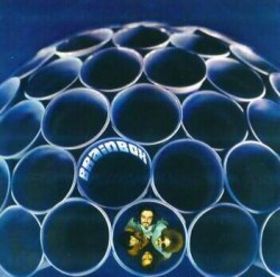
Brainbox - Brainbox
cover_54581123122007.jpg

An album that came with a serious warning about causing serious psychological damage if listened to? How could we not grasp that nettle?

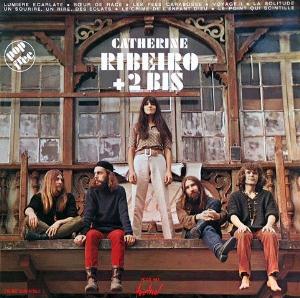
Catherine Ribeiro + 2 Bis - Catherine Ribeiro
cover_3431121632012_r.jpg

Must listen to this, if only because its title gives the impression it was recorded with two lesbians!

Dracula's Music Cabinet - The Vampires of Dartmoore
R-1145348-1199703772.jpeg.jpg

I've heard so much about this I have to take the opportunity to review it!

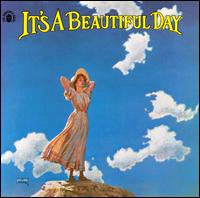
It's a Beautiful Day - It's a Beautiful Day
Itsabeautifulday.jpg

Because why not?

So that's our list for 1969. Obviously, there's a whole lot to get through so this is going to take a lot longer than 1968 did. I'll begin reviewing albums soon, as we move into the realm of what I would term more actual prog albums than just ones that influenced the genre. And Zappa.
 
Rennaisance is a bit of an odd band, founded by Keith Relf and Jim McCarty (and Paul Samwell-Smith as producer) after the end of the Yardbirds, but they both quickly left. The key member for me is actually Michael Dunford, who isn't yet on the debut record. My favourite albums are Turn of the Cards, and Sheherazard and Other Stories. I have the debut album, but haven't listened to it much. They get better later. For the longest time I didn't know "Northern Lights" was Rennaisance, heh.

I'm still not quite sure what makes Hawkwind prog (and especially that first album), and I didn't expect Uriah Heep to show up, either. I'm curious.

(I'm still following the thread, I just usually have little to say. Oh, and I love the SF Sorrow album, especially "Death" and "Baron Saturday", but I'd agree it's more blues/psychodelic. Early Pretty Things, the stuff that Bowie covered, were discount Yardbirds, but they came into their own starting, in my opinion with their second album. )
 
Hey, glad to know someone's reading, even if you're not commenting so much. Don't worry about that. When I wrote journals on Music Banter I slowly came to realise that probably one or two percent of readers comment, so I tend to watch the views rather than the comments. Based on that, this thread isn't doing too badly.

A lot of the bands here fail to scream PROG ROCK to me too, but as I said I'm going mostly by the Wikipedia page and being guided by that. Hawkwind I believe get progified on a few levels: they use fantasy/science fiction subjects in their lyrics, they're a sort of psych/space rock band and many of those did cross over, and they used instruments like sax, harmonica, flute and even something called an "audio generator" which would have marked them out from the standard bands of the time. Uriah Heep probably get in more due to the lyrics and album titles (Demons and Wizards, The Magician's Birthday, Return to Fantasy etc) and the long keyboard solos (have you heard "July Morning"?) but again we'll see.
 
Note: obviously, I'll be writing lengthy articles on the bigger bands in the genre, Genesis being among them, but to be fair I'll wait till about the mid-seventies or later, so that by then we'll have listened to and reviewed most of their at least better known albums.
FromGenesistoRevelation.jpg

Album title: From Genesis to Revelation
Artist: Genesis
Nationality: British
Label: Decca
Year: 1969
Grade: A
Previous Experience of this Artist: Total; Genesis are/were my favourite band. I have all their albums.
The Trollheart Factor: 10
Landmark value: One of the major driving forces in progressive rock, Genesis became a byword not only for lengthy and deep songs, weird stageshows with odd costumes, but light shows and effects, as Peter Gabriel had always been interested in stagecraft and showmanship. Although their sound evolved through the decades, up to the time of their disbanding - and since - they have remained one the darlings of the prog rock movement and one of the first names one thinks of when speaking of prog rock. This album, however, has little or nothing to do with that, and it would only be after their next release that Genesis would begin to change into the band that come to dominate the prog rock scene of the seventies.
Track listing: Where the sour turns to sweet/ In the Beginning/ Fireside song/ The Serpent/ Am I very wrong?/ In the wilderness/ The Conqueror/ In hiding/ One day/ Window/ Limbo/ Silent sun/ A place to call my own
Comments: I only got to hear this album long after I had devoured most of Genesis's discography up to about Abacab, and to say I was disappointed is an understatement. What I didn't understand of course at that time was that the band were still finding their feet, honing their sound, learning to play with one another and more to the point, the movement which would be known as progressive rock was only very embryonic at that stage, so there wasn't a lot for them to emulate or even influence. Even one of Peter Gabriel's later heroes, Peter Hammill of Van der Graaf Generator, had yet to come onto the scene. Add to that the fact that they were all still at school at the time of recording, most of them being only seventeen years old while Anthony Phillips was a mere sixteen, and that both the names Genesis and Revelation were taken by other bands and you can see how they wouldn't exactly have been on fire with enthusiasm for their debut album.

A note on the back of the CD cover sighs, in a typically what-can-you-do apologetic English way, “We were Genesis, then we learned there was a band with that name, so we changed our name to Revelation, only to find that name was also taken. Now are the band with no name, but we still wish you to enjoy our music”. That's not an exact quote - I looked for the CD but can't find it - but it's close enough. It does, however, allow you to see that this is hardly going to be the kind of band, should it last, that will sing about rockin' all night and dirty women! Far more esoteric and genteel subjects would colour Genesis's lyrics, making them a target for ridicule and leading to accusations of snobbery, some of which may have been justified.

But if there's one word that characterises most of the music here it's gentle. There's little of what would later become Peter Gabriel's trademark snarl (copied mostly from Hammill) or the sarcasm that would drip from titles on their next album, their first progressive one. If this album belongs anywhere, it's with the like of The Byrds and Simon and Garfunkel and Gordon Lightfoot: soft, inoffensive, restrained music with a very poppy tilt. And yet, there are certainly pointers towards the kind of music Genesis would compose in later years, in tracks like “Fireside Song”, “In the Wilderness” and “One Day”.

Pastoral is another word that fits the album, and it's a style that would continue through at least their early albums, although the opener is perhaps a little more in-your-face and uptempo than most of the rest of the album, with a sort of psychedelic/blues feel to it and Gabriel's distinctive vocal shines right away and grabs your attention, even at the tender age of seventeen. Given how Genesis would become known for long, convoluted and epic songs, this album has none over five minutes, with most coming in around the three or four-minute mark. That spacey, psychedelic feel continues through to the next track, “In the Beginning”. You know, Wiki tells me that Jonathan King, their manager for this album only and the man who "discovered" them, had the band record an album based loosely around the Bible, but I don't see it here. Sure, this track, one called “The Serpent”, “In Limbo”, could be seen to refer to the Bible, but it's nowhere near a concept album based around the Holy Book. The themes are varied, mostly concentrating on nature, man's need for conflict, and women.

The first real standout comes in the gentle “Fireside Song”, where for the first time you can hear the band come together and really write what could be called a proper song that could have been heard on the radio, though of course it was not released as a single. Soft, comfortable, safe, it's the perfect title for the song, and slides in on a lovely piano line from Tony Banks, taken up by Rutherford on the acoustic guitar as the song gets going. The first time I really sat up and took notice of this album when I initially listened to it. The strings accompaniment really helps too. “The Serpent” has a much bluesier, hard rock vibe to it, not one of my favourites, some good organ work certainly, then “Am I Very Wrong?” is quite gentle but has a hard piano line to it, sort of reminds me of some of Nick Cave's later work. The next great standout is “In the Wilderness”, with a great hook in the chorus and a strong vocal from Gabriel, presaging the kind of presence he would create on later albums.

“The Conqueror” is okay I guess, but it's nothing special. “In Hiding” is nice, has a kind of jangly rhythm to it but very rooted in the sixties for sure. Another great song is “One Day”, which, while naive to the max is still very endearing with its tale of the man living in the forest and hoping to bring his lover to live there with him. It's driven on a rippling piano line from Tony Banks, and powerful percussion from John Silver, the first and last time he would play with Genesis. “Window” is a gentle little ballad with a very low-key vocal from Gabriel, while there are horns and a sort of Beach Boys vocal harmony to “In Limbo”, but the song chosen as their only single (which flopped of course) is just very pedestrian and you can see how King was trying to make them into a pop group, something they were at the time very much not suited for. The short closer is very nice, and bookends the album well.

Favourite track(s): Fireside song, One day, In the wilderness, Window, A place to call my own
Least favourite track(s): The Serpent, Silent sun
Overall impression: Were this the first time I was hearing Genesis I would have thought they probably had no real future. There's little on this album that really stands out or marks this band as being destined to lead the progressive rock revolution, but then in fairness a lot of that is down to the almost iron grip Jonathan King exerted over the band, and once they parted company with him they were free to explore their own, more intricate and daring compositions, and a legend was born. But apart from diehard Genesis fans like me, and completists and collectors, you can get by without having to listen to this album at all.
Personal Rating: 3.0
Legacy Rating: 5.0
Final Rating: 4.0

 
It's been a few days, I know, but one thing that has stopped me from updating this thread has been the anticipatory dread I've experienced, knowing that the next album up for review is not only a Zappa, but a double Zappa! Well, yes, it's the Mothers, but basically they were just a diving board off which Zappa leaped and drowned us all in his crazy music, weren't they? I've just kept avoiding it. But some things don't go away, and if I want to ever get this back on track, I'm gonna have to man up and face my demons. So go on, Frank, I'm ready: do your worst!
Frank_Zappa_-_Uncle_Meat.jpg

Album title: Uncle Meat
Artist: The Mothers of Invention
Nationality: American
Label: Bizarre/Reprise
Year: 1969
Grade: B
Previous Experience of this Artist: Note: once I've done an artist once already I'm going to omit this category, as I've already revealed my experience of the artist in the first one, and there's no point repeating myself. I'll repeat that: there's no point in repeating myself.
The Trollheart Factor: 2
Landmark value: Seems the album was highly praised for its innovation in recording techniques, overdubs and mastering. Also one of the earlier prog or proto-prog albums to follow a science fiction storyline, to say nothing of being, apparently, the soundtrack to a movie that never got made. According to the man: "It's all one album. All the material in the albums is organically related and if I had all the master tapes and I could take a razor blade and cut them apart and put it together again in a different order it still would make one piece of music you can listen to. Then I could take that razor blade and cut it apart and reassemble it a different way, and it still would make sense. I could do this twenty ways. The material is definitely related.” If you say so, Frankie.
Track Listing: Uncle Meat: Main title theme/ The voice of cheese/ Nine types of industrial pollution/ Zolar Czakl/ Dog breath, in the year of the plague/ The legend of the golden arches/ Louie Louie/ The Dogbreath variations/ Sleeping in a jar/ Our bizarre relationship/ The Uncle Meat variations/ Electric Aunt Jemima/ Prelude to King Kong/ God bless America/ A pound for a brown on the bus/ Ian Underwood whips it out / Mr Green Genes/ We can shoot you/ If we'd all been living in California.../ The air/ Project X/ Cruising for burgers/ King Kong itself (as played by The Mothers in a studio)/ King Kong (Its magnificence as interpreted by Dom DeWild)/ King Kong (as Motorhead explains it) / King Kong (The Gardner varieties)/ King Kong (As played by 3 deranged Good Humor trucks)/ King Kong (Live on a flat bed diesel in the middle of a race track at Miami Pop Festival ... the Underwood ramifications)
Comments: Jesus on a pogo stick! Even writing out the track listing has exhausted me! And I haven't even begun listening to the music yet! How is it that side four is taken up with six (count 'em) versions of the one song? Oh yeah, I forgot: it's Zappa! :rolleyes: Well, let's sidle up to the door and push it gingerly open with this ten-foot bargepole I just happen to have ....

Interesting kind of sound, sort of xylophone-y, not too bad at all, quite quick and while not frenetic very bouncy. I see there is a xylophone credited, so maybe that's exactly what it is. Who knows? Some typical Zappa weirdness at the end, just in case we forgot who we were listening to, then “The Voice of Cheese” introduces us to, apparently, a major recurring character in Zappaland, Suzy Creamcheese, but she's just talking and I couldn't care less. Instrumental mayhem then for “Nine Types of Industrial Pollution”, which to be fair is mostly run on guitar, could be classical, maybe, not sure. Very expressive. Percussion is a bit haphazard, I'm sure it's meant to be. Quite distracting though. Six minutes of this. Could be worse I guess. Actually most of the tracks (and there are a total of twenty-eight of them) are short, many under a minute or just over, so thank god for small mercies. Not too bad so far though I must admit. I'm sure it'll get much weirder soon enough.

One of those short tracks is up next, less than a minute and very close to something Waits would later develop, with a little hint of echoes from the future on Genesis's “The Colony of Slippermen” before it's into a kind of slow soul/jazzy groove with salsa or some sort of Latin American overtones for “Dog Breath, in the Year of the Plague”, another almost six-minuter, and the first so far with lyrics. Operatic singing, Mariachi, semi-Beach Boys, it's all there. “The Legend of the Golden Arches” sounds kind of like a carnival, pretty upbeat and again you can see where Waits would get his ideas for instrumentals like “Dave the Butcher”. This is an instrumental too, apart from another spoken bit by I guess Suzy. Live now for “Louie Louie”, which seems to be just some sort of idea of the lads larking about with a tuba. Yeah. “The Dogbreath Variations” closes out side one, nice strummed acoustic guitar and some warbly keyboard. Not bad. Not bad at all. More xylo too, which is pretty cool. Even get a kind of solo from the thing. Never heard that before.

Side two opens on “Sleeping in a Jar”, another piece which runs for less than a minute and is quite nice with a sort of almost proggish feel to it, maybe the first time I've heard the Big Z do prog or come close enough that I could recognise it as such. Suzy's back (she's really starting to annoy me I must say) and talking her way through the next track, which takes us on to “The Uncle Meat Variations”, which really must have had Waits scribbling feverishly as he listened. Another instrumental, I think? Some nice accordion and organ with maybe vibes or that xylo again. I like this I must say. Oh wait, some sort of Japanese singing or something is cutting in, kind of ruining it for me. Well, I can't say I'm surprised; the Big Z seems to hate being in one groove for anything more than a few minutes. Good guitar solo kind of makes up for it though. “Electric Aunt Jemima” is some sort of Everly Brothers style ballad, with suitably silly voices, while “Prelude to King Kong” is probably well named, as, as I mentioned, there are no less than SIX versions of the song on the album, and in fact they all take up the fourth side. This one is like some sort of polka or something, dashing along on horns and muted percussion, sort of like a military charge.

We're live again next for the patriotic “God Bless America”, possibly played on the kazoo, with much enthusiastic if not rhythmic banging on drums, followed by a short little instrumental and then the interestingly-titled “Ian Underwood Whips it Out”. Indeed. Starts off with a spoken introduction by the man in the title, explaining how he joined The Mothers, then an annoyingly jazzesque screech on the sax I guess it is. This, to my not inconsiderable horror, goes on for just over five minutes. And so side two ends, and we're halfway there. Sanity check. Seem still to be able to interact with the world at large. Not so bad.

Side three opens with “Mr Green Genes”, slow kind of marching tune on tuba I think with more vocals, not just talking this time. Not bad, even if the lyric is silly. Nice organ line underpinning the tune. Xylophone takes us into “We Can Shoot You”, a lot of random percussion effects, also flute, slide whistle, you name it. Another round of talking then (seems like the band arguing with the Big Z about how little they're working and getting paid) then another fifties doo-wop style ballad for “The Air” before we head into “Project X”, pretty spacey, quite Twilight Zone-ish, very weird. Need I add it too is an instrumental? It, too, is an instrumental. Finally, “Cruising For Burgers” takes us to the end of side three, with what at first fools me into thinking he's singing a cover of “White Christmas” but quickly settles (!) into a cross between a soft ballad and some pretty wild, off-base drumming, making the whole thing very hard on my aged ears. At least it's short.

Side four, as I mentioned, is six versions of the song “King Kong”, and as they all have ridiculously long and nonsensical subtitles I ain't gonna write them all out again, refer to the track listing if you need to. Here, they're just gonna be numbered. So, “King Kong I” is a mere fifty-odd seconds long and is a nifty little instrumental which in particular gives the bass a chance to shine, with some really nice organ. Quite funky. Brother. KKII is also short, seguing directly in from the previous track, and not surprisingly the very same melody, though the sax or trumpet seems to have taken over here. Bit too much of that oft-feared sub-genre for me, freeform jazz. Yuck. KK III is ... already halfway through. Didn't hear the changeover, I must admit, and it's not that surprising as they're very similar, almost identical. And now we're into KK IV, which again has just transitioned over without any change or gap. This one however is over six minutes long. Don't see the point in all this, I have to admit. Still, nearly there. The final part is seven minutes though! Before that there's a brief few seconds of KK V (apparently supposed to be ice cream vans. Hmm) before we end on KK VI, not only the longest of the sextet but the longest track on the album at almost seven and a half minutes. I can see the finish line though. Just hold out for another four hundred-odd seconds and we're done. Okay, this version is possibly the most coherent of them all, sort of marching beat with nice organ and even the wild horns don't scare me off. That much.

Favourite track(s): Uncle Meat: Main title theme, Dogbreath, in the year of the plague, The legend of the golden arches, Dogbreath variations, Sleeping in a jar, Mr Green Genes, The Air
Least favourite track(s): Pretty much everything else, especially the spoken word ones and doubly so for any with Suzy fucking Creamcheese on them.
Overall impression: Weird yes, but perhaps not as consistently weird as I had feared. Some nice, even accessible tracks amid all the insanity. Certainly individual: no way this could be anyone other than Zappa, or maybe his protege, Beefheart. Not something I would listen to again for pleasure though. Hey, at least it's not TMR! Not looking forward to revisiting that!
Personal Rating: 2.0
Legacy Rating: 4.0
Final Rating: 3.0


Thresholdofadream.jpg

Album title: On the Threshold of a Dream
Artiste: The Moody Blues
Nationality: British
Label: Deram
Year: 1969
Grade: A
Landmark value: Another concept album, making the Moodies perhaps the first band to release three different concept albums in a row, this gave them their first experience of the number one slot and also broke them in the USA. Oddly, for such a successful album, it had no hit singles. Not a one. This album should not be confused with the classic from The Mad Scot, On the Threshold of a Dram. Sorry.
Track Listing: In the beginning/ Lovely to see you/ Dear diary/ Send me no wine/ To share our love/ So deep within you/ Never comes the day/ Lazy day/ Are you sitting comfortably?/ The dream/ Have you heard (part 1)/ The voyage/ Have you heard (part 2)
Comments: The concept for the first (real) album was a single day, the second travelling. This third one concentrates on the world of dreams, so it's no surprise that there's a dark, atmospheric synth lead in, then a spoken piece before some jarring effects which eventually takes off into a very late-sixties rock tune, uptempo and bouncy as we move into “Lovely To See You”, one of only three tracks on which Justin Hayward takes lead vocals. Nice, but nothing terribly special and certainly nothing proggy, not to me. Early days yet though, or to put it in the context of the album, the dream has but begun. More laidback and bluesy for “Dear Diary”, which has echoes of early ELO: guess Lynne and Wood listened to the Moodies then! Ambles along nicely, sort of like someone taking a leisurely stroll at night through the backstreets of the city. Some nice phased vocals (were there vocoders this early?) with some nice flute from Ray Thomas. Much better, though again not a prog rock song. Almost Country then for “Send Me No Wine”, more uptempo, then Pinder handles vocals for the next two tracks. The first, “To Share Your Love” is again uptempo pop/rock, not bad but where the hell are the Hammonds and the Mellotrons, huh? I'm also not crazy about his rather more raw vocal style, preferring Hayward's more gentle, mellifluous one. The other track is “So Deep Within You” (ooer!) and it's a total Pinderfest, as he both wrote and sings the song. It's pretty terrible, almost a foray into funk, or disco at least. Urgh. Even the flute doesn't help. Kind of reminds me, in terms of incongruity, of “Waiting For Your Love” on Toto IV. If that means nothing to you, I can't help you.

Thankfully Hayward is back to save the day with a lovely little ballad that kicks off side two, as “Never Comes the Day” re-establishes order with some beautiful cello from John Lodge and a soaring, aching vocal from my favourite Moody, who unsurprisingly also wrote this ballad. It was in fact the only single released from the album (I can see why) which completely flopped sadly. Love the harmonica in it too. Ah, and there's the Mellotron! Finally! The first song I enjoyed on this album was the Ray-Thomas penned and sung “Dear Diary”, so I have high hopes for “Lazy Day”, his only other contribution, and I'm not disappointed, though it's certainly Beatlesesque. It has a nice finger-clicking breezy rhythm about it, then morphs into the closest I have yet heard to prog on this album, though it goes back to the original rhythm. Nice use of harmonica again, and more cello. The vocal harmonies are good too.

Hayward returns for the final time, collaborating with Thomas on “Are You Sitting Comfortably?”, and perhaps predictably it's another ballad, with a really nice bassline and some horns, soft piano, very relaxing. This then takes us into what I believe is known as “The Voyage Suite”, kicking off with “The Dream”, in which Mike Pinder narrates (it's barely a minute long) and references the album's title, and then the first of two parts of “Have You Heard” opens with a nice acoustic guitar ballad, Pinder running the show now as he wrote and also sings the last three tracks. Well, the penultimate one is an instrumental, showing not only what the Moodies could do but their love of classical music as they rearrange Strauss on “Also Spake Zarathustra” (if you're not familiar with the piece, you'd know it as the music that opens the movie 2001: A Space Odyssey) for “The Voyage”, the second-longest track on the album at just under four minutes, before things wrap up with “Have You Heard (Part 2)” which basically reprises the first part.

Favourite track(s): Dear Diary, Never comes the day, Lazy day, Are you sitting comfortably? Have you heard (part 1)
Least favourite track(s): So deep within you
Overall impression: Generally I'd have to say side two is better than side one, but while parts of the album show proggy touches, especially the instrumental “The Voyage”, and notwithstanding the proggy title, I am a little disappointed that this album is rather more removed from the precepts of prog than their previous two outings. Good, but more a rock album than a prog rock one.
Personal Rating: 3.0
Legacy Rating: 5.0
Final Rating: 4.0
 
Trout Mask Replica - Captain Beefheart and his Magic Band

If there's one album I look forward to listening to the least it's this. I did listen to it a while back and what I heard did not impress me. But as it is supposedly a very influential album on the genre I accept that it must be featured.

Ha! I am by chance listening to this as I read through your - very interesting - history of prog. For me, it's far and away the best album on the list so far but I realise that not everyone gets on with it. It has a shifting, unexpected and cavernous quality, as much a product of the place in which it was recorded. It never sounds the same twice. I love the sounds and atmosphere of it all.
 
Yes, I've heard that before, which is why with it, as with any other album, artist or genre, I always say "it's not for me", rather than it's rubbish. I know it takes all sorts, and just because I don't get something doesn't mean others don't. But it's definitely not for me.

Welcome along, by the way. :)
 
And speaking of that terrifying slab of plastic.... :eek:
Trout_Mask_Replica.png

Album title: Trout Mask Replica
Artist: Captain Beefheart and His Magic Band
Nationality: American
Label: Straight/Reprise
Year: 1969
Grade: B
Landmark value: One of the most important albums in the field of experimental music and art rock (it says here) Trout Mask Replica failed to set the world alight when it was released, completely flopping (like a trout on the riverbank. Sorry) but as is often the case, history has apparently recognised its importance and the mad genius that was Don Van Vliet, and today it is revered as one of the founding albums of out-there music. I would probably have to agree, despite my own feelings about it.
Track Listing: Frownland/ The dust blows forward 'n the dust blows back/ Dachau blues/ Ella Guru/ Hair Pie: Bake 1/ Moonlight on Vermont/ Pachuco cadaver/ Bills corpse/ Sweet sweet bulbs/ Neon meate dream of a octafish/ China pig/ My human gets me blues/ Dali's car/ Hair Pie: Bake 2/ Pena/ Well/ When Big Joan sets up/ Fallin' ditch/ Sugar 'n' spikes/ Ant man bee/ Orange claw hammer/ Wild life/ She's too much for my mirror/ Hobo chang ba/ The blimp (mousetrapreplica)/ Steal softly thru snow/ Old fart at play/ Veterans Day poppy
Comments: Oh boy! I'll try to keep my own negative view of this out of it, but don't blame me if I begin ranting. Anyway, this is the second time I'll have to suffer through this so seconds out, round two! No hitting below the belt, let's have a good clean fight. Place yer bets! And so we're off with a kind of rock song with what sounds to me to be most of the instruments playing independently of each other, very confusing, with Beefheart's growl over the whole thing. Next up is what sounds like some sort of folk song sung acapella, while “Dachau Blues” is I guess basically a Delta blues style song with sharp guitar. I can certainly see where Tom Waits would develop his sound listening to this. Track's not too bad to be fair. “Ella Guru” has that hard sharp guitar again, and now it sounds like someone is slowly strangling a violin to death for five minutes. “Moonlight on Vermont” does at least bring some music back into the frame, and we're at the end of side one.

Death seems to haunt the first two tracks, with “Pachucho Cadaver” kicking things off with a rather catchy rhythm, not a bad song to be fair. Could do without the squeaky horn, but that's just me. Continuing on the same theme them we get “Bills Corpse” (it's spelled without the apostrophe, so, you know...) which is a short, manic track leading into “Sweet Sweet Bulbs” which is a nice boppy blues style tune. You know, it's odd, but listening to this I've realised just how much Waits ripped off Beefheart's style. I used to think he was unique, but from the time he started emulating the Captain (around the time of Heartattack and Vine, certainly in full flight by Swordfishtrombones, which even shows Beefheart's penchant for running words together) he really just became a copy of him. Sobering thought. Back to the album though.

I have absolutely no idea what “Neon Meate Dream of a Octafish” is meant to be, but what else is new? At best I guess it's an exercise in expressionism or art gone mad. “China Pig” has that Delta blues stripped-down feel, “My Human Gets Me Blues” is a rocky madcap tune, and one minute of hard banging guitar ends side two, bringing us into “Hair Pie: Bake 2” which is at least a whole lot more tuneful than “Hair Pie: Bake 1” on the first side. “Pena” is mostly speech, particularly manic speech near the end, sounds female, but may not be. “Well” is another short track, just over two minutes with an acapella rendering of what sounds like a folk song, then “When Big Joan Sets Up” is the longest song on the album at just over five minutes, another madcap rocker. I've nothing to say about “Fallin' Ditch”, but “Sugar 'n Spikes” hops along nicely, and “Ant Man Bee” takes us three-quarters of the way through the album.

Another acapella folk song-thing to open side four with “Orange Claw Hammer”, “Wild Life” brings back the guitar (Jesus! Even Waits's guitar player sounds like this!) as does “She's Too Much For My Mirror” and well, it ran into the next track without me noticing. Now he's shouting about “The Blimp!” (which I find really annoying) before we get to “Steal Softly Through Snow” which kind of continues the ideas explored in “Wild Life” and “She's Too Much For My Mirror” as we head towards the end of the album. “Old Fart at Play” is mostly spoken against a jangly guitar which is pretty good to be honest, and we end on another long track, four and a half minutes of a bluesy “Veterans Day Poppy”. Well, kind of bluesy. In parts. Hey, it's Beefheart! Leave me alone!
Favourite track(s): Dachau blues, Moonlight on Vermont, Sweet sweet bulbs
Least favourite track(s): Pretty much everything else
Overall impression: Second time in, not as bad as I remembered, but still not an album I would listen to for pleasure, nor one I expect ever to listen to again. Not, to be fair, what I would consider in any way part of the progressive rock movement; certainly I can see his influence on art rock, experimental music and avant-garde, but prog? Don't see it. Might as well call Tom Waits a progressive rock icon. Nevertheless, given that so many musicians in all fields cite this album, and the place it occupies in rock history, it has to get the top Legacy rating, even if my own is a lot more modest and represents my personal view of the album.
Personal Rating: 3.0
Legacy Rating: 5.0
Final Rating: 4.0


Last edited:
Yes_-_Yes.jpg

Album title: Yes
Artist: Yes
Nationality: British
Label: Atlantic
Year: 1969
Grade: A
Previous Experience of this Artist: Big Generator, Union, 90125, The Ladder, Close to the Edge, Fly From Here, The Keys to Ascension Also the ABWH album, which was essentially Yes under another name.
The Trollheart Factor: 5
Landmark value: It's always a little bit of a gamble, looking at debuts. Many of the first, or in some cases even second, albums from bands who went on to be huge in the prog rock scene are not what you would necessarily think of either iconic or technically prog. Look at Genesis's first effort, or the debut from The Moody Blues. Look at Rush, or David Bowie. None of these bands produced what could in some cases even be marginally recognised as a prog debut, and yet many of them went on to become prog giants. Such I feel may be the case with Yes's debut, and yet, given the huge impact they had on the prog scene, I feel it only fair to look into this album, if merely to see how much their style had changed by the third album. So in terms of Landmark Value, I would say very little, but given that it was the first the world heard of Yes, perhaps more than they could have expected.
Tracklisting: Beyond and before/ I see you/ Yesterday and Today/ Looking around/ Harold land/ Every little thing/ Sweetness/ Survival
Comments: When bass player Chris Squire was introduced to a young barman near The Marquee club, musical history began to write itself. With drummer Bill Bruford and pianist Tony Kaye joining, the band Yes was formed and they released their debut, self-titled album. It opens on “Beyond and Before”, which has already the sort of close-harmony vocals that would become one of the band's staple sounds as well as Jon Anderson's unmistakable high vocal. It's a lot more guitar-driven than the later Wakeman-controlled soundscapes that would characterise albums such as Tales from Topographic Oceans, Close to the Edge and Going for the One, but even here you can hear that this is more than just a simple rock record, and for the year it has some very deep lyrics and clever ideas.

Much jazzier is the cover of The Byrds' “I See You”, quite hippy and psych; reminds me of very early Supertramp, like the kind of thing that would surface on their own debut released the following year. Can't say I really like it, but then I'm no fan of the winged ones. It does however give Yes their first real shot at an extended instrumental jam, something that would become a mainstay of their own compositions and lead, in time, to the accusations of pointless noodling and technical wankery that would dog them, and by association, most of the bigger bands in prog rock as the seventies drew to a close. For now though, it was different and very acceptable, even exciting to hear such sounds.

“Yesterday and Today” is one of only two songs penned by Anderson solo, and is dripping with his spiritual sentimentality, a lovely little soft ballad that perfectly suits his high alto tenor vocal, backed mostly by just acoustic guitar and piano. “Looking Around” gets things moving again, and this time Kaye has a chance to really make an impact on the keys, putting in quite the solo; in fact, in places he pretty much takes over the song. This influence carries on into “Harold Land”, where the song is introduced by a powerful keyboard solo, and it's quite a dark song, decrying the futility of war and the cheapness of human life, something fairly new in music at the time. The rhythm and pacing are almost incongruously light and breezy, with some really nice guitar touches from Peter Banks and another extended solo from Kaye.

Another cover is up next, this time it's The Beatles' “Every Little Thing”, which rocks along at speed, the guys even throwing in the guitar riff from “Day Tripper” for good measure. Clever, but I'm not a Beatles fan either (yes, I know Abbey Road is up next!) and the song does little for me, nor I believe did it do anything for the credentials of the band who would grow up to be godfathers of the prog rock movement. “Sweetness”, on the other hand, is just beautiful, another gentle ballad and the first song written for the album between Squire and Anderson. While it kind of has hippy Beatles overtones it's something you could see being absorbed into what would become the core Yes sound. “Survival” then is the longest song on the album, and the closest I suppose you could come to a mini-suite, with its instrumental intro that fades away and leaves a soft acoustic guitar before Anderson's equally soft vocal joins the tune. This is the other song he composed solo, and it's certainly been worth waiting for, a very fitting closer.
Favourite track(s): Yesterday and today, Harold Land, Sweetness, Survival
Least favourite track(s): Every little thing
Overall impression: To be honest, though it's nowhere near a prog masterpiece or even a totally recognisable prog album, this has more pointers to the direction Yes would take than I had expected. Definite markers showing how they would blossom and grow, develop and evolve into one of the biggest and most popular bands in the prog rock scene.
Personal Rating: 3.0
Legacy Rating: 5.0
Final Rating: 4.0
 
Okay, let's take a break from all this hard work to have a little fun.
b60.jpg

Oh, go on with you! As I mentioned in the intro, although I'm charting the progress of artists who contributed significantly to what became known as progressive rock, there were those albums out there on the fringes, albums or even artists who are largely unknown, made little real impact on the scene and whose albums hardly became classics, but who, for one reason or another, resonate with and are linked with this period of time. In general, I guess you could describe them as fun albums. Or, to tie in with what I have now decided will be the title of this section: if you consider that the bigger prog bands were all busily working in the garden, planting, tending, and eventually harvesting crops of amazingly-coloured flowers, tasty vegetables and exotic plants which would all go to make up the landscape of prog rock, these guys were outside smoking cigarettes, sneering perhaps at the hard work going on in the garden while they worked just as hard as the other bands did, but in a vastly different way. They would have been more or less shut out of the main prog rock scene, and muttered and laughed and cursed as they carried on their own unique experiments in sound
t81203720253.jpg


I'm going to do these alphabetically, and so the first album up is this
cover_54581123122007.jpg

Album title: Brainbox
Artist: Brainbox
Nationality: Dutch
Label: Imperial
Year: 1969
Grade: n/a
Previous Experience of this Artist: Zero
The Trollheart Factor: 0
Landmark value: n/a
Tracklisting: Dark rose/ Reasons to believe/ Baby, what you want me to do/ Scarborough Fair/ Summertime/ Sinner's prayer/ Sea of delight
Comments: Perhaps not quite as unanchored to the prog scene as I had at first thought, as Brainbox introduced us to both Jan Akkerman and Pierre van der Linden, who went on to form Focus, of whom much later. But I imagine if you mention the name to any one, even a diehard prog fan, they might have difficulty recalling this band and this album. Possibly. I have to admit, I'm not quite sure now where I got the quote about the warning of psychological damage – I've searched my usual sources and nothing has come up – but I know I read it somewhere. Be that as it may, it's a relatively short album with only seven tracks, though in fairness one of them is seventeen minutes long.

Kicks off with psychedelic flute and drums, man, kind of an eastern/Indian feel I guess then the guitar comes in and it morphs into a sort of blues/rockabilly tune picking up serious speed as it goes. Yeah, it's basically an extended jam, with added flute. And more flute. It's good, it's enjoyable but there's not really a whole lot more I can say about it. Some great guitar from Akkerman, but then, that goes without saying, does it not? Next one's basic blues with a little folk, whereas I've heard comparisons made to the late Rory Gallagher, which I hear in “Baby What You Want Me To Do?” In fact, were I not sure what album I was listening to, I would have sworn that rather than listening to vocalist (and drummer) Kaz Lux I was listening to the lamented bluesman. Nothing faintly prog so far though, barring the flute in the opening track.

Next up is a rather nice rendition of the song made famous by Simon and Garfunkel, “Scarborough Fair”. Unsurprisingly there's a lot of flute in it, though perhaps surprisingly not as much as you might expect. The song goes on for way too long though. Then they take a stab at my number one favourite song of all time ever, the beautiful “Summertime”. Led on a dark organ line, it's actually quite a decent attempt. Blues boogie then as we again almost hear the ghost of Rory (who of course was alive and well in 1969, but you know what I mean) on “Sinner's Prayer”, taking us into the closer, and surely the closest this album can be expected to get to prog, the seventeen-minute “Sea of Delight”. Hmm. Yeah, basically it's a 17-minute instrumental jam, with the odd smattering of vocals. Oh, and a bloody long-ass drum solo. Not that impressed really. The only possible reason I can see that there may have been that warning about psychological damage if you listened to this was from pure boredom, at least on the last track.

Favourite track(s): Baby, what you want me to do, Summertime, Scarborough Fair, Sinner's prayer
Least favourite track(s): Dark rose, Sea of delight
Overall impression: I have to admit it was a little all over the place – blues, psych, folk, even the odd showtune in there, and jams too – but in general I found it a little boring. Nothing I could say would add to the growing prog rock movement, despite that closer. Fringe, definitely, for me. Also an early and unwanted example of technical wankery, the kind of thing ELP would go on to flog to death over the next ten years or so.
Personal Rating: 2.0
(No Legacy rating as these albums are not taken as being all that important to or involved in the whole evolution of prog rock, so it's just purely what I thought of them as standalone albums)
 
OK, that's enough fun for you for now. Huh? Sir, if what we have just listened to passes for fun in your world, I suggest you rethink! Whatever: it's always a gamble. But it certainly wasn't serious, or meant to be, from my point of view. Anyway, back over the wall and into the garden; there's work to be done!
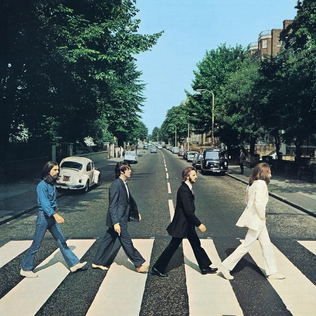
Beatles_-_Abbey_Road.jpg

Album title: Abbey Road
Artist: The Beatles
Nationality: British
Label: EMI
Year: 1969
Grade: C
Landmark value: As far as the crawling ones were concerned, their penultimate record together. As far as prog is concerned, don't know but not expecting too much.
Tracklisting: Come together/ Something/ Maxwell's silver hammer/ Oh! Darling/ Octopus's garden/ I want you (She's so heavy)/ Here comes the sun/ Because/ Medley (You never give me your money/ Sun king/ Mean Mr Mustard/ Polythene Pam/ She came in through the bathroom window/ Golden slumbers/ Carry that weight/ The end)
Comments: You know, I get it: the Beatles are an institution and some people revere them as gods, but it constantly annoys me the minutiae some of the articles are concerned with. Instead of just a track listing, every song (and I mean every song) has to be dissected to the nth degree! Anyway, even if you somehow were not aware of this album you would certainly recognise the cover, which has become so iconic it has been parodied, copied and reproduced to death, and yet, like so many good album covers, it's the very simplest of ideas: four guys walking on a Zebra crossing. But despite, or perhaps even because of that, it has become instantly recognisable.

All right, even I know “Come Together”, with its hollow percussion and its tinny vocal from McCartney, one of their many hits, with some smooth electric guitar and funky organ and “Something” has also gone down in history as another hit, a love ballad this time with an instantly recognisable guitar melody at the end of the chorus. It's really nice, but again it's not prog, and neither is “Maxwell's Silver Hammer”, with its sort of twenties style, maybe a bit of Barrett there too. Interestingly, it appears to be a song about murder, which is certainly not alluded to in the music, which is breezy, upbeat and cheerful. A joke perhaps? It's doo-wop then for “Oh! Darling” which is really nice, but here we are almost at the end of the first side and I couldn't point to a single song or even idea that had any influence on prog, so far as I can see. I must admit I'm enjoying the album on its own merits, however.

I've always loved “Octopus's Garden”, ever since I heard Kermit sing it on Sesame Street! It has the very off-kilter weird vibe of Yellow Submarine and is great fun, with a sort of Hawaiian/islands flavour and of course you can't take it seriously. Side one then comes to an end with the longest track, “I Want You (She's So Heavy)”, and this could be where the prog rock influences start to leak in. Meh, sounds more like jazz or jazz fusion to me, and very repetitive. I guess for the time it would have been seen as new and exciting, bold and daring and possibly linked to the new prog bands coming up. Not so sure myself. It's actually the first song on the album I haven't enjoyed; sounds very indulgent. Hey, maybe it is prog after all! ;) And they used a Moog, so there is that I guess. Actually you know, I've changed my mind. That ending instrumental was pretty prog and I grew to like it.

“Here Comes the Sun” kicks off side two, and is one of only two songs before the long medley that completes the album. Another well known hit, it's a happy little tune which is of course very catchy, while “Because” is a really nice little ballad with sort of Byrds overtones, sweet vocal harmonies and into the medley, which is by turns nice and relaxing, a bit boppy but again nothing I could honestly call close to prog. “Sun King” in particular is really laidback and pleasant, “Mean Mr Mustard” is meh, “Polythene Pam” much the same; a basic rock bopper, very short as all of these tracks are. “She Came In Through the Bathroom Window” is better, with some nice harmonies, and “Golden Slumbers” is a lovely piano-led ballad with orchestral backing. That leaves us with “Carry That Weight”, which I know and is very powerful and anthemic, linking in with “You Never Give Me Your Money”, which opened this selection and leading to the appropriately-titled “The End”, the longest in the medley. It's a fast, rocky guitar piece with a very powerful message at the end (sorry) ”The love you take is equal to the love you make.”

Favourite track(s): Everything
Least favourite track(s): Nothing
Overall impression: Odd indeed. A Beatles album without a single bad track. No, I don't mean that's odd; I mean it's odd that I should like every single track, and I'm not a Beatles fan. But from a personal standpoint, I loved the bones off this album. From a prog standpoint, not so much. I don't see anything bar the possible use of the segueing medley at the end and the track “I Want You (She's So Heavy)” to justify this being an influence on prog in any way. So given my personal enjoyment of the album, the final rating below might be taken as slightly skewed.
Personal Rating: 5.0
Legacy Rating: 1.0
Final Rating: 3.0

 
NiceNice.jpg

Album title: Nice
Artist: The Nice
Nationality: British
Label: Immediate
Year: 1969
Grade: A
Landmark value: For this album, I don't know. Some of it was rehashed stuff from the first album, so other than carrying on the legacy from that, I don't guess all that much.
Tracklisting: Azael revisited/ Hang on to a dream/ Diary of an empty day/ For example/ Rondo '69/ She belongs to me

Copy_of_policemanStop.gif

All right buddy! Stop right there!
This album is neither available on Spotify or god-damn YouTube, and I will be darned if I am paying for it just to review it! So this will have to be one we pass over. We've had two albums from the Nice already so I doubt we're really going to be missing anything out...

So it's on to
Soft_Machine-Volume_Two-Cover.jpg


Album title: Volume Two
Artist: Soft Machine
Nationality: British
Label: Probe
Year: 1969
Grade: A
Landmark value: Given that Soft Machine were major players in the Canterbury Scene, and that they were essentially if not copying then at least being influenced by Zappa for the British market, I guess it would have to be seen as a pretty important album in the overall scheme of things.
Tracklisting: Rivmic melodies (Pataphysical introduction Pt 1/ A concise British alphabet Pt 1/ Hibou, anemone and bear/ A concise British alphabet Pt 2/ Hulloder/ Dada was here/ Thank you Pierrot Lunaire/ Have you ever bean green/ Pataphysical introduction Pt 2/ Out of tunes) / As long as he lies perfectly still/ Dedicated to you but you weren't listening/ Esther's nose job (Fire engine passing with bells clanging/ Pig/ Orange skin food/ A door opens and closes/ 10.30 Returns to the bedroom)
Comments: Well just looking at the song titles I'm definitely feeling a Beefheart come on, or at least an English Zappa! In other words, a little trepidation is creeping in! Bit of an abrupt start really, nice piano line with just a spoken vocal (well I guess it is an introduction) which then runs into a literal singing of the ABC and then with a buzzy guitar we hit the first song proper (this is all part of an overarching suite called “Rivmic Melodies” - get it? English people often speak in this way: rhythm becomes rivvim, so it's actually a play on the way they would say “rhythmic melodies”) “Hibou, Anemone and Bear” and it's quite jazzy in its way, a six-minute instrumental with a lot of horn I guess, kinda psych too – oh, there are vocals coming in now. So much for being an instrumental. Sort of calming down now into a nice pastoral sort of sound, gentle vocal, quite nice. Will it stay that way? Well, kind of, and then we're into another recitation of the alphabet (this time backwards) before it's on to “Dada Was Here” via a short little ditty called “Hulloder”.

“Dada” sounds like it might be sung in Spanish or Portuguese or something, pleasant enough, and the next three tracks all average just under or over one minute, so hard to judge them really. The piece then ends on “Out of Tunes” which is essentially a Beefheartesque manic run with everything going at once. I can see why they so titled it! Chaotic is not the word, though I'm sure it's anything but chaotic. It sounds a mess, but then rather than actually everyone being out of tune, I have no doubt this is a band so well versed in their music that they can pretend to play out of tune while still being totally in control of what they play. That's true class. Nevertheless, it sounds like a mess to me.

Side two opens with “As Long As He Lies Perfectly Still”, which kind of sounds like a cross between The Beatles and later soul music. Can't say I'm wild about it. One more short song then with “Dedicated To You But You Weren't Listening”, a simple little acoustic ballad before we move into the second suite, which this time is called “Esther's Nose Job” (don't ask me! :rolleyes: Oh, apparently it's from a novel) which is broken into five parts, the first of which is simply called “Fire Engine Passing With Bells Clanging” and features an extended organ run and percussion, which sounds nothing to me like fire engines, but there you go, and on into “Pig”, which runs on bass piano and percussion, and reminds me of the Peanuts music, then “Orange Skin Food” is a kind of jazzy continuation of the theme begun in the previous track, with what sounds like warbly effects on the organ while sax keeps up an annoying sound like a car alarm going off.

Now we have “A Door Opens and Closes”, as electric guitar takes over and rocks things up a little, horns and organ also getting in on the act, with some scat singing for good measure, and the piece comes to a close on “10:30 Returns To the Bedroom”, a decent instrumental workout, and the second longest track at over four minutes.

Favourite track(s): I didn't really like any of this. Most of the songs were too short, and even those longer suites were made up of songs that were too short. Much of it was what I would term musical nonsense and I got very little personally out of the album.
Least favourite track(s): As above
Overall impression: Really odd and weird, kind of like a more musical Zappa or Beefheart. Some very weird ideas, some clever ones but overall I personally for myself found it to be something of a mess and I couldn't get my head around much, indeed, most of it. I fear Soft Machine may remain a mystery to me. Nevertheless, because of their massive influence on the Canterbury Scene they had to score big on the Legacy Rating, whatever I may think.
Personal Rating: 1.0
Legacy Rating: 5.0
Final Rating: 3.0
 
The_aerosol_grey_machine.jpg

Album title: The Aerosol Grey Machine
Artist: Van der Graaf Generator
Nationality: British
Label: Mercury
Year: 1969
Grade: A
Previous Experience of this Artist: I've heard some of their albums; some I like, some not quite so hot. Also heard some solo Peter Hammill material.
The Trollheart Factor: 4
Landmark value: Although they would never have a hit or even a successful single, Van der Graaf became inextricably tied into the prog movement, with icons like Peter Gabriel and, later, Fish from Marillion using Hammill's distinctive vocal style as their template.
Tracklisting: Afterwards/ Orthenthian St., Part 1 and 2/ Running back/ Into a game/ Aerosol grey machine/ Black smoke yen/ Aquarian/ Necromancer/ Octopus
Comments: Once again Spotify lets me down: one of the only VdGG albums they don't have is this one! So off to YouTube I again must go. This album was supposed originally to have been a solo Peter Hammill record, and you can see that from the fact that he writes almost every track on it. It did, however, become the springboard for what would become one of the perhaps quietest in terms of commercial fame and overlooked prog bands of the era. Nice easy opening, sort of reminds me a little of “Lucy In the Sky With Diamonds” as “Afterwards” gets us on our way with a gentle push. Immediately you can hear that Peter Hammill's is a special voice; there's something very distinctive about the way he sings, and as the album goes on you'll hear him change from altar-boy to devil, though he's the former here. Really nice piano solo here too. This is the kind of VdGG I prefer, rather than the more manic, disjointed, freeform songs they often play, though they can be good too.

Slightly more uptempo for “Orthenthian St Pt 1 and 2”, and anyone listening to this for the first time would certainly hear the inflections that would make their way into the style of Fish from Marillion. Very gentle midsection then Hammill gets a little manic again, and there's a really good buildup at the end, including a rather excellent sort of drum solo. “Running” seems to be another low-key acoustic style ballad with a sort of echoey vocal, as if Hammill is a long way away. Some lovely flute here, proving that it doesn't always have to be in your face (Ian!) to be effective. Another fine buildup intro to “Into a Game”, really great actually, and then it runs on a soft little piano line, almost classical. This is an early example of VdGG's propensity for sudden stops in the middle of songs, then picking them up again a half-second later, something the likes of Yes would also engage in. On either side of the “gap” here the song changes – and there are two gaps, one from ballad to rocker and then one from rocker back to ballad. It's a system that works well for them.

Great instrumental break there in about the fifth minute, mostly driving on thick funky bass and some almost honky-tonk piano from Hugh Banton. The title track is a bit Soft Machine-ish, a twenties style little thing which lasts less than a minute and takes us into “Black Smoke Yen”, another short little instrumental driven mostly on organ and percussion and on into “Aquarian”, where the organ continues to hold court and the vocal gives Hammill a chance to be a little more forceful than he has up to now. Good backing vocals too. And a nice catchy melody. For an eight-minute song it doesn't drag. The next track could be “Giant Squid”, as that was on the original pressing, but thanks to Spotify not having this album I have to go with what YouTube gives me, and what it gives me is a later pressing on which the penultimate track is one I remember hearing already.

“Necromancer” comes in on a marching beat and some sort of whistling keyboard, perhaps predating Rush's mythic tales of sorcerers and wizards, and the vocal is expectedly strident. It's uptempo but quite short with a kind of cringeworthy chorus that then hits into a thumping drumbeat. Could have been better. The album closes then on “Octopus”, which is an example of the more psych sort of track they often did, though to be fair, again, for an eight-minuter it doesn't drag and there are some pretty cool instrumental parts in it.

Favourite track(s): Afterwards, Running, Into a game, Aquarian
Least favourite track(s): Necromancer, The aerosol grey machine,
Overall impression: Very much together for a debut album, though I can see why it failed to score commercially. Kind of an acquired taste, especially Hammill's vocal, which was something really quite different to anything around at the time. A very influential album though, as it brought Hammill to the public consciousness for the first time.
Personal Rating: 3.0
Legacy Rating: 5.0
Final Rating: 4.0
 
In_the_Court_of_the_Crimson_King_-_40th_Anniversary_Box_Set_-_Front_cover.jpeg

Album title: In the Court of the Crimson King
Artist: King Crimson
Nationality: British
Label: Island
Year: 1969
Grade: A
Previous Experience of this Artist: Zero (go on, laugh: you know you want to!)
The Trollheart Factor: 0
Landmark value: Seen as one of the defining albums of prog rock, one of the first to embrace elements of jazz and classical as well as symphonic material. One of the first early prog albums to not only make a decent showing the charts, but get into the top five.
Tracklisting: 21st Century schizoid man/ I talk to the wind/ Epitaph ((i) March for no reason (ii) Tomorrow and tomorrow)/ Moonchild (i) The Dream (ii) The Illusion)/ The Court of the Crimson King (i) The return of the fire witch (ii) The dance of the puppets)
Comments: It might seem odd to those of you who don't know me for me to admit that I have never listened to King Crimson at all, but those more familiar with me will know that although I am a prog head, there are quite a few major prog bands I either have not heard or do not enjoy, and this is certainly one of the former cases. A chance to address this now, though I have to admit there's a word in the Wiki description of this album that worries me: atonal. I like my music to have melody, harmony, call it what you will: I need to be able to enjoy the music, and atonal music is not a thing I enjoy. However, we will see.

Once again, Spotify lets me down and off to the Y I go. That's YouTube, not the YMCA. It's a powerful, punchy start for “21st Century Schizoid Man”, with a long intro on guitar and keys, which so far is relatively pleasant to me. Well, not that long after all: I was originally listening to some bugger doing a cover on his synth! Jesus! Got the original now, so start again, and vocal then is heavily distorted, can't say I really like that. Sort of like listening to Waits playing prog, if that analogy doesn't offend every KC fan, which it probably will. I can definitely hear the jazz in this and, well, you know me and jazz, so no, I don't personally like it. I'm sure it's very technically pleasing but it's a little too much for me. Does get heavy as hell though near the end as the vocals leak back in. I see why there is no part two, or rather, don't understand why they break it up as it's basically an instrumental with a few vocal bits thrown on. Not the worst I've ever heard but I don't get the love, not at least on the basis of this track.

Great: the next track is live from the BBC! Well sod you Robert poxy Fripp and your obsessive control over your music, neither allowing Spotify to have it or it to be uploaded to YouTube! Now I have to buy this album, an album I probably won't like, just to review it. That's forty cents out of my hard-earned paycheque! That's nearly half! Well, not quite, but still, forty cents! But it's the only way I'm going to be able to review this properly instead of hopping from YouTube to poxy YouTube and trying to piece it together. I guess it deserves better. Right, I have it downloaded now.

Okay, so here we go. Track two is “I Talk To the Wind” and has a very classical opening and then an almost Everly Brothers vocal harmony; very pastoral and with a lot of Simon and Garfunkel in it too. I'll say a ballad, though I suppose it could change. I hope not though. Nah, it isn't going to change now. Very nice. Enjoyed that. “Epitaph” starts off beautifully, slow and majestic, even if the vocal is almost inaudible. Builds to something of a crescendo in the fourth minute and then into a really nice instrumental section which I assume is the second part. Very impressed with this. Very. Oh, right: it's not instrumental. Still lovely. Great so far. What's next? “Moonchild”, a twelve-minute track. Okay.

Seems again very laidback, with a lot of soft flute, at least at first, which surprises me, as I had somehow been led to believe this would be a very harsh, in-your-face album. Not so far. Opener aside, I've really enjoyed it. This gets a little abstract and expressionist further in but it's nothing to set the teeth on edge (gets so quiet that at times I had to check my amp was turned up: it was, as I found out suddenly when the title track kicked in!) and even when the title comes through with a slight punch it's still relatively gentle enough, with some great harmonies and sort of psych overtones. Stops at the seventh minute of the nine it runs for to usher in a sort of little instrumental I guess, a reprise of sorts, very effective.

Favourite track(s): Everything bar the opener, and even that was all right.
Least favourite track(s): Nothing really
Overall impression: Considering what I had expected, this album pretty much blew me away. I can see now why King Crimson are so highly rated, and I'm glad I didn't try to experience this via piecemeal videos stitched together on YouTube. A superb first effort, and if this is typical of them, they may have found, at this late stage, a new fan. Glad I spent the forty cents now!
Personal Rating: 5.0
Legacy Rating: 5.0
Final Rating: 5.0


Note: seems since I originally wrote this (back in 2016), our Mr. Fripp has either relented or YouTube have got fed up policing his music on their platform. Either way, what was not available to me at the time now is.

No it isn't. Spoke too soon.
DAMN YOU ROBERT FRIPP!
tenor.gif

 
Last edited:
Bits of prog you can stumble across on YouTube (if you are not careful)
:p
 
Well, I can't avoid it forever, so ....

Hot_Rats_%28Frank_Zappa_album_-_cover_art%29.jpg

Album title: Hot Rats
Artist: Frank Zappa
Nationality: American
Label: Bizarre/Reprise
Year: 1969
Grade: B
Landmark value: One of the first albums – not just prog albums – to use the new sixteen-track recording technique, thereby allowing far more overdubs and intricate mixing, something that would definitely become a feature of prog rock, especially with the likes of Pink Floyd and Yes.
Tracklisting: Peaches en regalia/Willie the pimp/ Son of Mr. Green Genes/Little umbrellas/The gumbo variations/It must be a camel
Comments: An almost completely instrumental album, without the vocal high-jinks and other assorted nonsense prevalent in previous albums? Could be a godsend to me. This was Zappa's first proper solo album, i.e without The Mothers of Invention, and though it sounds like there's a whole band playing it's basically just him and Ian Underwood from The Mothers, with a few others helping out. Pretty impressive. Only six tracks too, which makes a change from the double albums I've had to endure prior to this. The second track has vocals and they're supplied by Captain Beefheart. It's really not bad at all, more blues/psych rock than avant-garde, quite listenable, even when the Captain starts raving and hollering as he tends to do. Some really fine guitar on this. And fiddle too.

The third track takes it back to instrumentals, and it's nice to hear what a great musician Zappa is without having to endure all that avant-garde stuff he practised on his previous albums. Great piano work here and horns a plenty too, but the guitar holds centre stage. There's an Arabic/French feel to the next track, “Little Umbrellas”, with what sounds like a clavier or maybe tubular bells; a hollow, ringing sound anyway and plenty of organ. Hey, even “The Gumbo Variations”, which is basically horn-driven and a sort of jazzy jam, can't dampen my enthusiasm for this album. Much better than expected. Pretty slick little bass solo there, and good work on the piano and organ. Long, at over twelve minutes, but doesn't drag or seem a chore to get through. That leaves “It Must Be a Camel” to close the album, another fine instrumental, quite relaxing and with a slower jazz feel.

Favourite track(s): Nothing I didn't like on this.
Least favourite track(s):
Overall impression:
In my opinion, a huge step forward for Zappa as he leaves (hopefully) behind all the musique concrete and avant-garde stuff and concentrates on what he does best, making music, and very good music, judging from this album. You can hear the advantage gained in having so many more tracks to work with, and it really gives the album extra depth and volume. Wasn't looking forward to this, but it was a much pleasanter experience than I had anticipated.
Personal Rating: 4.0
Legacy Rating: 5.0

Final Rating: 4.5
 

Sponsors


We try to keep the forum as free of ads as possible, please consider supporting SFFWorld on Patreon


Your ad here.
Back
Top