I Know What I Like: Trollheart's History of Progressive Rock and Progressive Metal

And here I am, back with the list. To be fair, it’s hard to discount any of the albums released in 1970 that contributed to the prog scene, so I haven’t. Well, not many.


Note: multi-part post ahoy!

The Madcap Laughs
- Syd Barrett
Sydbarrett-madcaplaughs.jpg

While I can find no actual reference to this album being prog rock of any sort, it has to be accepted that without Syd the chances are that Pink Floyd might not have existed, or might have been a totally different band. Certainly, “Shine on You Crazy Diamond” and “Wish You Were Here” would likely not have been written, and, while Syd’s musical and mental demise is sad and lamentable, sometimes it’s tragedy that brings the best out of a band. And so we owe it to the mad one to at least listen to and review his debut solo album, released in the year his old band would start to make major waves. Without him.

The Least We Can Do Is Wave to Each Other - Van der Graaf Generator
The_Least_We_Can_Do_Is_Wave_to_Each_Other_%28Van_der_Graaf_Generator_album_-_cover_art%29.jpg

Second album from a band who would become very important to the emerging prog scene, blending elements of jazz and blues into their music, and influencing a whole slew of young bright-eyed hopefuls in the future. At this point though, VDGG were bright-eyed hopefuls, and their debut album, released the previous year, had hardly set the charts alight. This one wouldn’t either. It did however scrape into the top forty, by the skin of its teeth, a better performance than The Aerosol Grey Machine, and indeed their best ever chart placing.

Egg - Egg
Egg-1970.jpg

I know nothing about Egg, other than that they were big on the Canterbury Scene, and they were the band Steve Hillage wasn’t in. I’ll be finding out more about them as I review this and their other albums, this being their debut. Obviously.

Benefit - Jethro Tull
JethroTull-albums-benefit.jpg

I feel this may be a dodgy choice, as it seems to have been some time into their career before Tull achieved a sound that could in any way be described as progressive rock, but I can hardly ignore icons like them, so we’ll give it a listen, but I won’t expect too much. Hey hey hey! I’ll give them the “benefit” of the doubt! Yes? No? Have it your way then. Moving on…

Yeti - Amon Duul II
AmonDuulYeti.jpg

Considered very important in the new Krautrock scene, this is Amon Duul’s second album, and some say, their best. We’ll see.

In the Wake of Poseidon - King Crimson
In_the_Wake_of_Poseidon_-_Original_Album_Cover.jpeg

Having exploded onto the prog rock scene the previous year with the now-classic In the Court of the Crimson King, Fripp’s boys did not rest on their laurels, releasing their second album a mere seven months later. It further reinforced their place as future prog rock giants. It says here.

Barclay James Harvest - Barclay James Harvest
Barclay_james_harvest_cover1.jpg

Always thought this was an interesting name for a band. Not interesting enough for me to check them out though, which means that I know almost nothing about them. Have to change that. This was their debut album.

Home - Procul Harum
Procol_Harum_Home.jpg

I’ve already been impressed with their first three albums, so hopefully the fourth will continue that trend.

Third - Soft Machine
Soft_Machine_Third.jpg

These guys, on the other hand, have yet to impress me. Big they may have been in Canterbury, but I wasn’t sold on their first two albums. It’s Soft Machine again, with their imaginatively-titled third album.

Time and a Word - Yes
Yes_-_Time_and_a_Word_-_UK_front_cover.jpg

This is the Yes album (no, not The Yes Album!) I spoke of in the … And in Other Prog News feature, the one where Jon and the boys decided to use an orchestra.

Supertramp - Supertramp
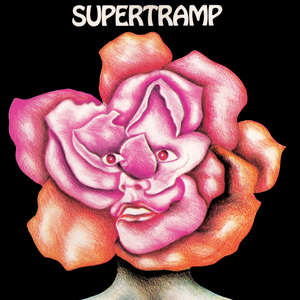
Supertramp_-_Supertramp.jpg

Supertramp’s debut turned out to be almost more of a folk record, somewhat in the From Genesis to Revelation mould, it nevertheless signposted some of the greatness that was to come from this band.

Weasels Ripped My Flesh - The Mothers of Invention
Frank_Zappa_Weasels_Ripped_My_Flesh.jpg

What is it with Zappa and rodents? First Hot Rats and now this? Ah, sanity, how I fear for you! The things I do for prog!

If i Could Do It All Over Again, I’d Do It All Over You - Caravan
Car-IfI.jpg

What a great title! If it wasn’t Caravan, one of the leaders of the Canterbury scene, this album would gain its place here just for that imaginative title. But it is, and they are, and it is. Capische? Well, do you understand, then?

Atom Heart Mother - Pink Floyd
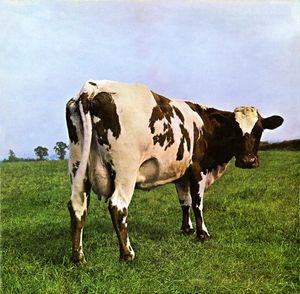
AtomHeartMotherCover.jpeg

While Syd was finding himself, or losing himself, or doing whatever the hell it was with himself after leaving Floyd, Gilmour, Waters, Mason and Wright were getting on with it. With a proper, working band now and no issues to concern them (at least, in the studio) they crafted their first album to break them commercially, hitting the number one spot. This was also their first foray into working with Storm Thorgerson’s Hipgnosis, who would design so many of their iconic album sleeves.

Trespass - Genesis
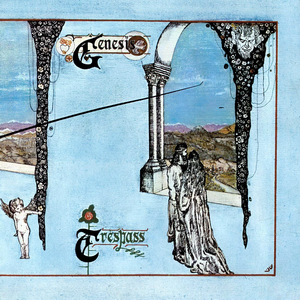
Trespass70.jpg

Ah, the first of what I consider the “real” Genesis album, Trespass set down a template other prog bands would follow, with long, involved songs telling long, involved stories and creating the persona of stuck-up arty bands whose feet weren’t rooted in the real world. One of my all-time favourite Genesis albums, it was the end for poor Anthony Phillips, but the beginning of a glorious career for Genesis, leading the charge of the riders on the prog rock storm.

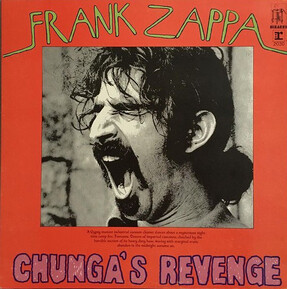
Chunga’s Revenge - Frank Zappa
Frank_Zappa_-_Chunga%27s_Revenge.jpg

And here he is again. Like a turd in my bowl who just won’t flush away, it’s Zappa again. For the second time in the same year. Again. As a matter of fact, it would have been three times, but I’ll be damned if I’m going to listen to Burnt Weeny Sandwich too! There’s only so much one man can take!

Air Conditioning - Curved Air
AirCon.gif

I already spoke about the problems Curved Air had in the previous section. This is their debut album.

Emerson, Lake and Palmer - Emerson, Lake and Palmer
ELP-ELP.jpg

If any band typified the excesses and overblown self-indulgence of progressive rock, it was ELP. Though they had masses of fans, they had probably as many detractors, and were seen as elitist and arrogant, claims which are hard to deny. We’ll get to all of that in due course, but for now this was their debut album, after the breakup of The Nice.

Gentle Giant - Gentle Giant
Gentlegiantcover.jpg

Already referenced in some detail in the ProGenitors section, this is the debut album from the trio of brothers who tried, didn’t really make it, but gained a cult following even decades after their demise.

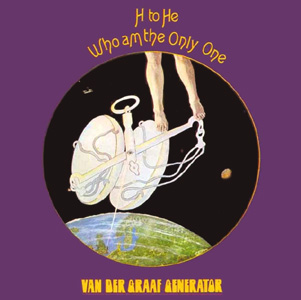
He to He Who Am the Only One - Van der Graaf Generator
H_to_He%2C_Who_Am_the_Only_One_%28Van_der_Graaf_Generator_album_-_cover_art%29.jpg

Yes, back then some bands did release more than one album in a year. VDGG were another, their third effort hitting the shelves as 1970 drew to a close.
 
Lizard - King Crimson
Lizard_-_Original_Vinyl_Cover.jpg

Not to be outdone, King Crimson got a second one (their third in all) out too, before the year closed.

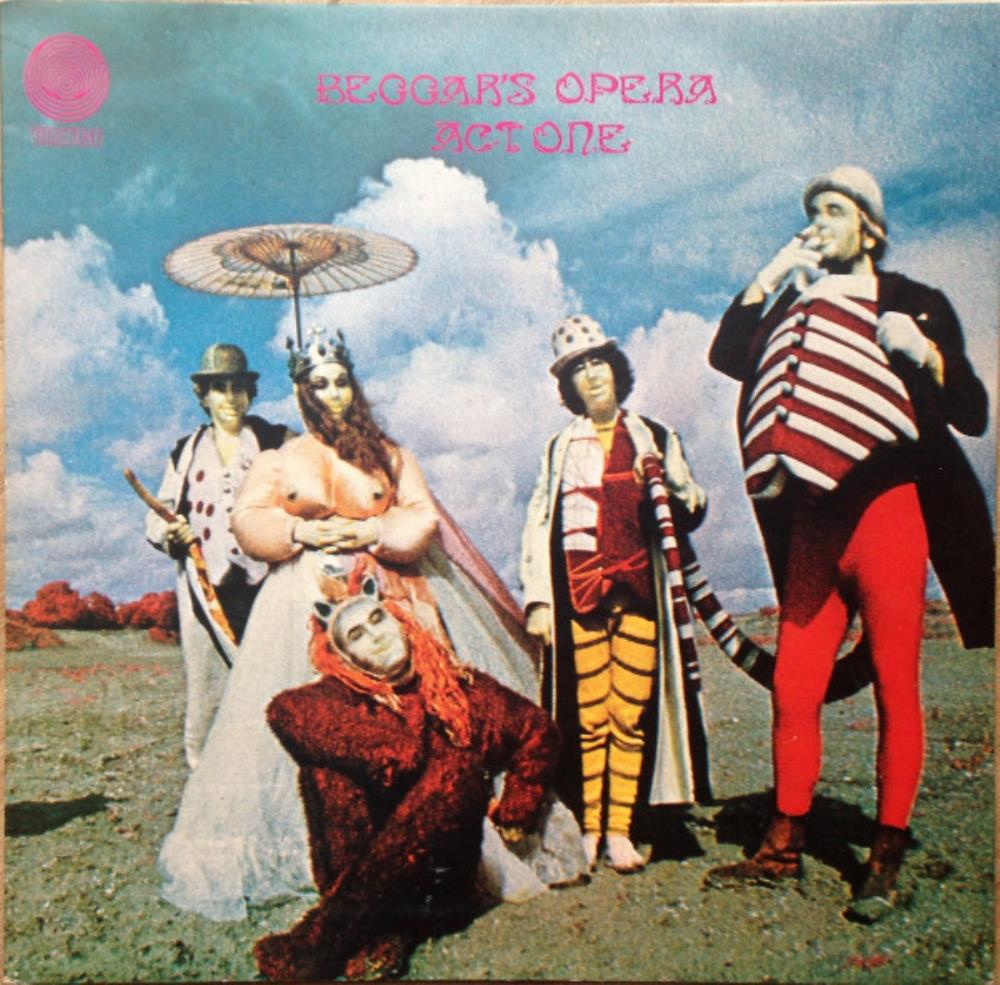
Act One - Beggars Opera
cover_361482052019_r.jpg
I haven’t yet decided if this album will be reviewed in the normal timeline or as part of Over the Garden Wall. They don’t seem to have been that well-known or influential, but I could be wrong. One way or another, we’ll get to the debut from these guys.

In and Out of Focus or Focus Plays Focus - Focus
Focus_Plays_Focus.jpg

But these guys are definitely in. Jan Akkerman left Brainbox and joined up with Thijs van Leer, and prog history was made.

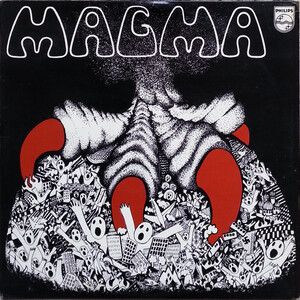
Magma - Magma
Kobaia.jpg

One of the only French prog bands to release an album this year, Magma created the sub-genre known as zeuhl, of which we’ll learn more later. This was their debut album.

We’ll also be looking at some of these albums in Over the Garden Wall. It’s almost certain that we won’t get to them all but we’ll see how we go.

Quill - Quill
R-3681127-1511944977-4830.jpeg.jpg

We’ve already come across Quill in the section on bands formed this year. This was their one and only album.

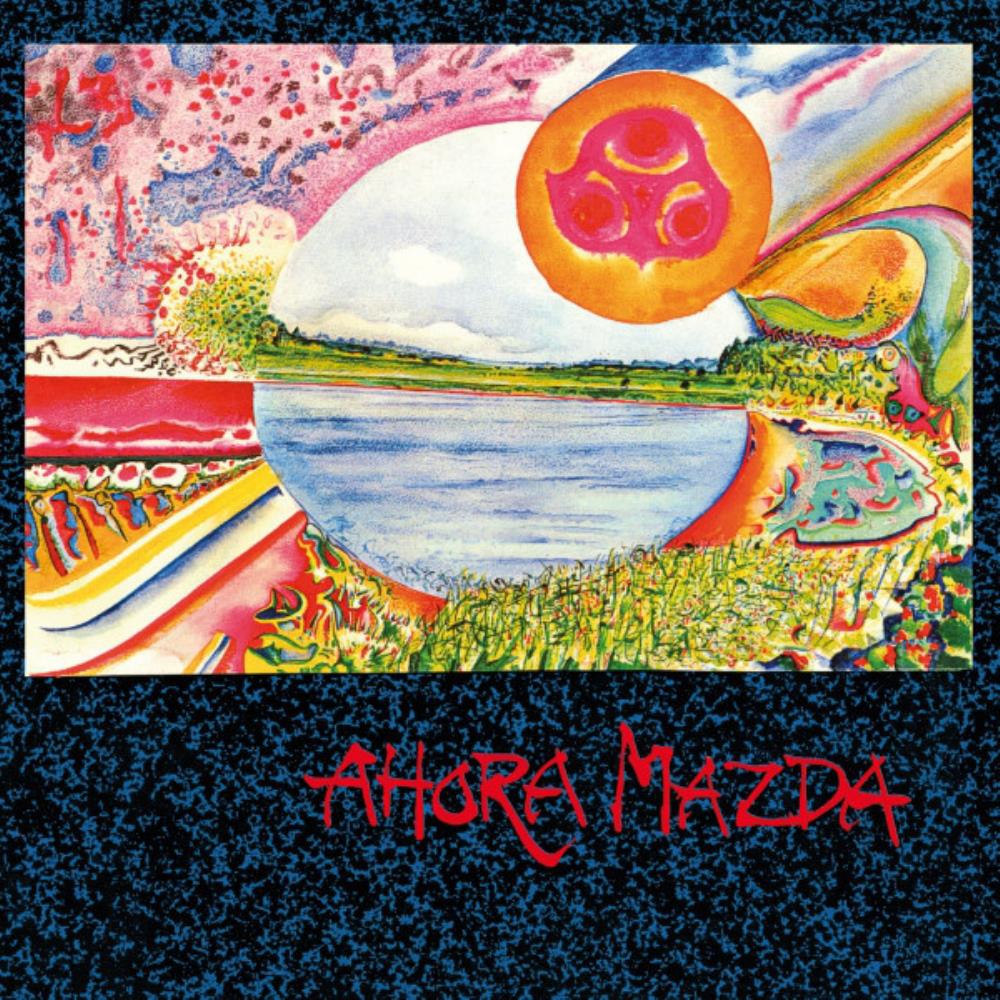
Ahora Mazda - Ahora Mazda
cover_2033151032018_r.jpg
Another band to have only one album, this time a Dutch one. Seem to have been something along the lines of the prog Grateful Dead…

Barrett - Syd Barrett
Sydbarrett-barrett.jpg

The second and final album from the ex-Floydie seems to bear no resemblance to prog at all, but as it’s him I thought we really needed to do it, so I’m popping it in here.

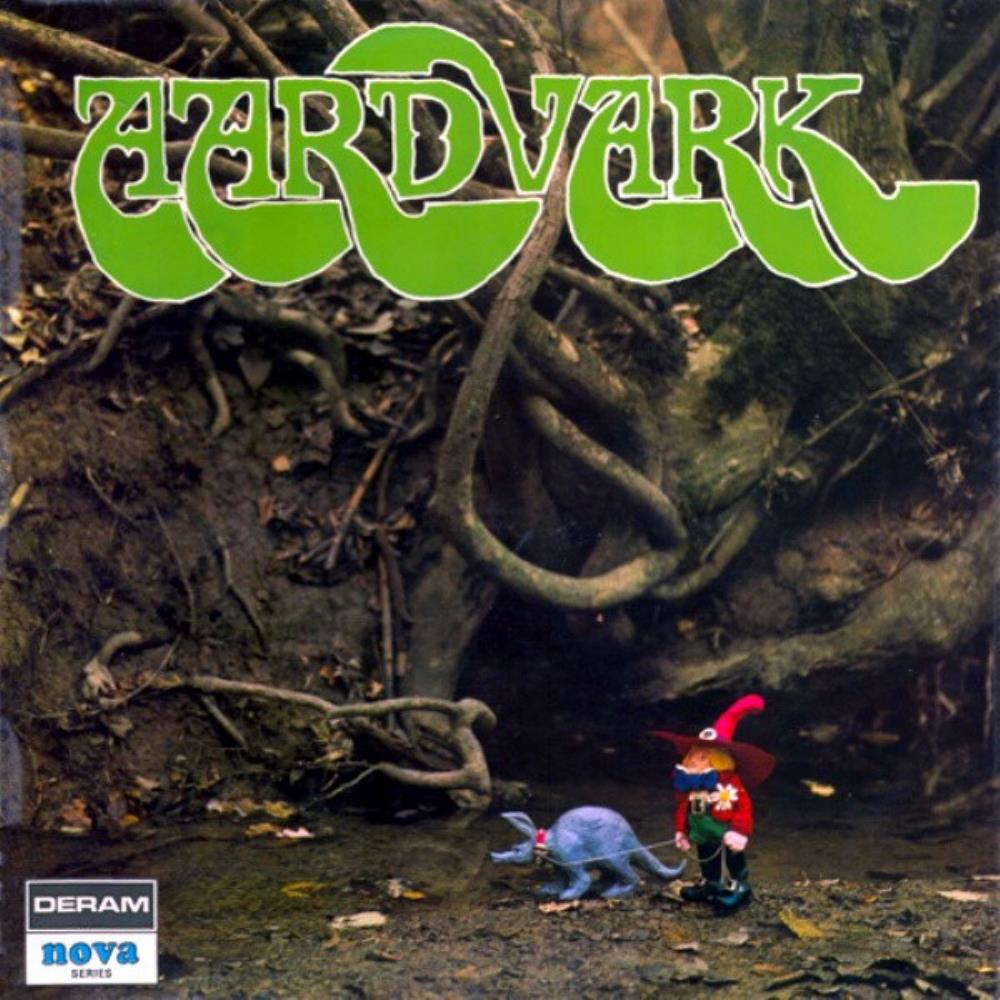
Aardvark - Aardvark
cover_15961532019_r.jpg
Surely destined to come first in any alphabetical search for prog albums, Aardvark’s claim to fame is to have had future Free founders Simon Kirke and Paul Kossoff in their band at one time. When they went off to seek fame and glory, the anteating ones released… one album. And apparently they had no guitarist, which is odd, given that their second album, released in, um, 2016 (!) was titled Guitar’d ‘n Feathered! Guess they must have found someone to play the axe then!

Almendra II - Almendra
R-2839283-1400327040-6796.jpeg.jpg

Very hard to track down, this. A band from Argentina (the first we’ve had here? I think possibly) and seem to have had little or nothing to do with prog, but Wiki have it on their list. Seems to be a LOT of tracks on it, but as there are no times I don’t know how long it runs for. Guess I’ll find out.

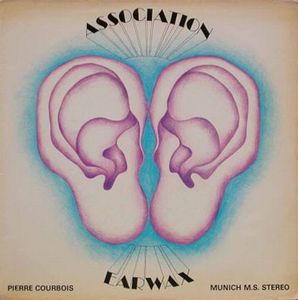
Earwax - Association P.C.
cover_395822052009.jpg

German/Dutch band of whom it was apparently said that “eighty percent of [them] is electronics”. Hmm.

Note: sorry for the superhuge pictures on some of the albums: ****ers on ProgArchives apparently never heard of resizing! :rolleyes: I've spoilered them now.
Cressida - Cressida

Took their name from a famous fizzy drink - oh no wait, that was Cresta. Oh well.

Output - Wolfgang Dauner
R-224207-1470776394-2854.jpeg.jpg

Jazz fusion pianist. Why is his album here? **** knows. Maybe I will, once I get to it. Maybe not.

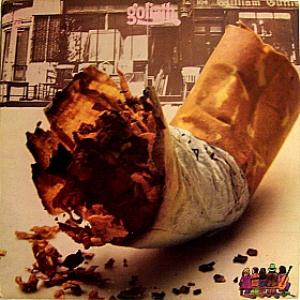
Goliath - Goliath
cover_2943162442011_r.jpg

A grandiose-sounding name for a band who had one album and then folded. Again, oh well.

Trauma - Gomorra

Very unsure about this one. Both ProgArchives and Discogs say the album was released in 1971, so chances are Wiki got it wrong. German prog band who at least had two albums, which puts them ahead of the last few anyway.

Gracious! - Gracious
cover_37315662017_r.jpg
And this one beats them too, with three albums.

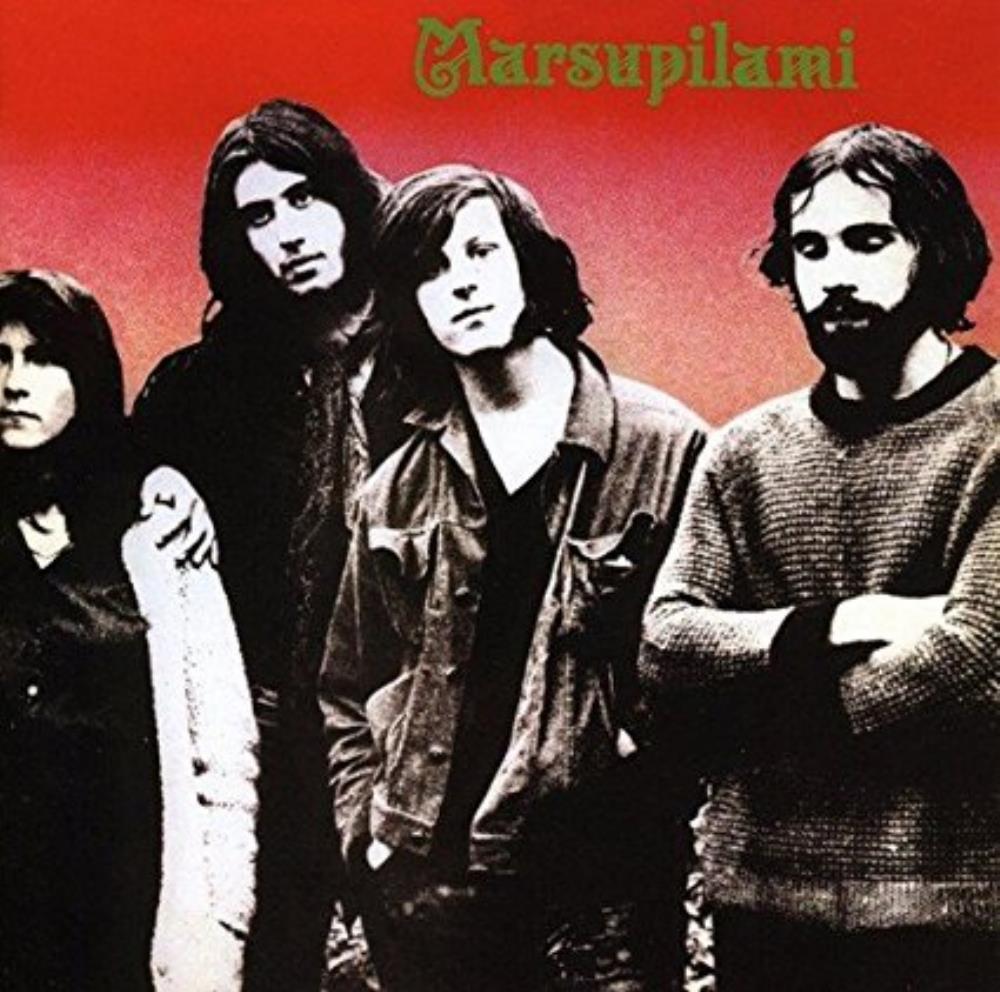
Marsupilami - Marsupilami
cover_2911872017_r.jpg
Jesus! Where did these bands get their names from? Speaking of…

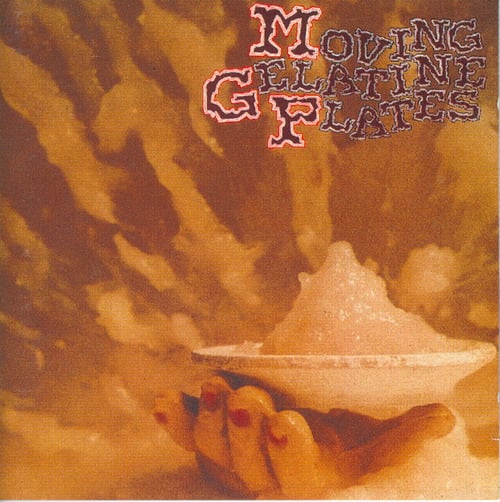
Moving Gelatine Plates - Moving Gelatine Plates
cover_39511323102008.jpg

Another French proto-prog band. Of course they are.

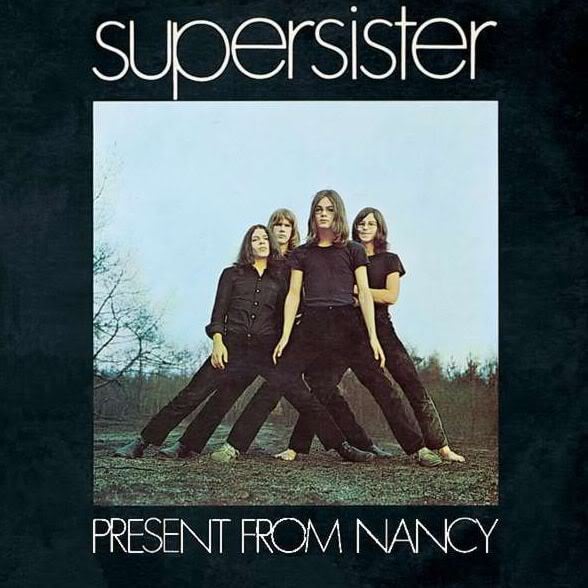
Present From Nancy - Supersister
cover_16351717112009.jpg

Not a sister in sight. Nor, indeed, anyone named Nancy.

It’ll All Work Out In Boomland - T2
It%27ll_All_Work_Out_in_Boomland.jpg

Sure it will.

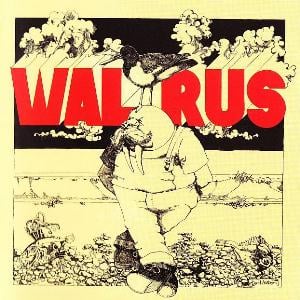
Walrus - Walrus
cover_43521011102011_r.JPG

Not to be confused with the seventies prog band Sealion, who did not exist.

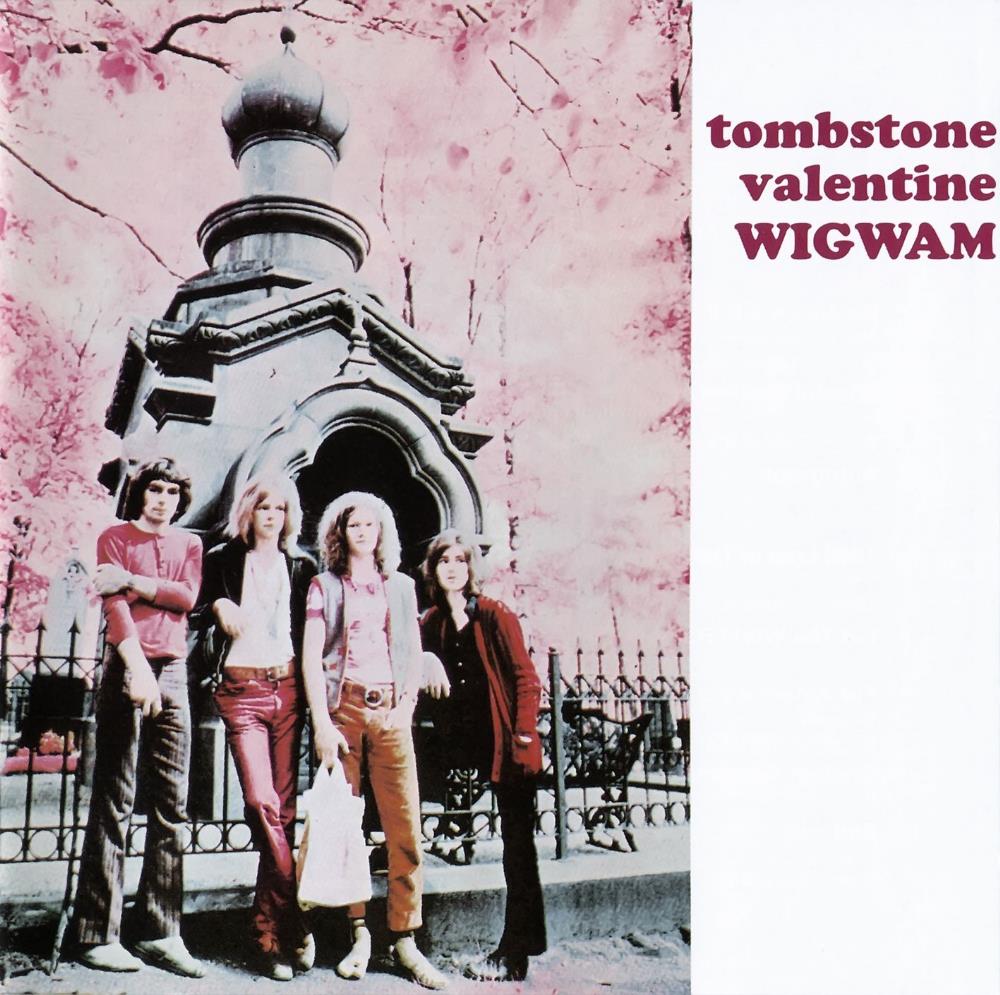
Tombstone Valentine - Wigwam
cover_4149121992017_r.jpg
If you think that’s an odd name for an album, their debut was called, ahem, Hard’n’Horny! Oh, I see! They’re Finnish! Well, that explains it. Oh no wait, it doesn’t.
 
Random comments that make little difference to anything you said:

1. Weasels aren't rodents. They're mustelids. I've heard them called rodents often enough now that I think it must be cultural, and people who know they're not rodents still call them that. You wouldn't do that to a wolverine, now would you. Or, god forbid, a honey badger. I shudder.

2. I've never heard of the band Marsupilami, but I've definitely heard the name. They must have taken it from a belgian comic, where it was some sort of pet (a marsupial friend, a marsupial ami, a marsupilami). Once again, childhood memories: there was an 80ies cartoon spinoff that was hugely popular; the merchandise more (and earlier) than the show.

And also to actually say something about music:

I have and like the Beggar's Opera album, but as far as I can tell people don't talk about them much. I bought the record second hand on a whim, because Ricky Gardener played with Bowie and Pop, and because the band name seemed to reference Brecht. I did that sometimes.
 
Sydbarrett-madcaplaughs.jpg

Album title: The Madcap Laughs
Artist: Syd Barrett
Nationality: English
Label: Harvest
Year: 1970
Grade: C
Previous Experience of this Artist: Only via the first two Floyd albums
The Trollheart Factor: 3
Landmark value: 5
Tracklisting: Terrapin/No Good Trying/Love You/No Mans Land/Dark Globe/Here I Go/Octopus/Golden Hair/Long Gone/She Took a Long Cold Look/Feel/If It’s in You/Late Night
Comments: Although we’re only beginning the seventies here, Barrett’s music always seems to me to have been firmly rooted in the sixties, with no intention of or willingness to come into the new decade. This has flower power written all over it. The opening track is whimsical and limp, played seemingly mostly on an acoustic guitar, while there’s a certain sense of Floydesque feedback on “No Good Trying to Love You” (perhaps a synonym for how the band felt about him before dismissing him?) and “Love You” sounds like a rushed version of a Beatles/Kinks crossover, though it does have some nice piano in it.

Interesting to see that the man who would replace him in Floyd, Dave Gilmour plays bass here. Perhaps he felt he owed something to the man whose job he was taking? “No Mans Land” features a kind of muttered laconic vocal in the lead-out, which probably best represents Barrett’s approach to music, almost a motif for his way of working in the studio. Apparently he often responded to requests as to what key a song was in from other musicians working with him with a non-committal “Yeah”. Must have been hard to work with the guy. “Dark Globe” almost sounds like Waters is singing, but no it’s Syd of course, again acoustic guitar driven, and you can hear the kind of confused, chaotic way he’s playing. “Here I Go” is another sixties pastiche, then “Octopus” is regarded as the best track on the album, but really that’s not saying much. Sort of puts me in mind of “I Am the Walrus”...

It sounds all very derivative to me, like he’s copying the Beatles really, but it’s not terrible. Definitely not prog though, in any way, shape or form, and had I not heard the first two albums I would never have linked him to Pink Floyd. “Golden Hair” has something about it, a kind of dark menace with tinkling piano like bells and a slow, laconic guitar with a sort of fractured vocal. Despite the fact that it’s a mere two minutes long it says this was the eleventh take! I suppose that just underlines how difficult a person he was to work with. “Long Gone” is another acoustic ballad, but with the rising powerful organ line it’s the closest I see this coming to any sort of Floyd tune.

“She Took a Long Cold Look”, on the other hand, passes by without making any impression on me, while “Feel” sounds like it could have had something but Syd doesn’t seem interested, and the production (or his vocal) keeps coming and going, fading in and out. I also don’t think much of the stop/start instructions and chatter going on during the beginning of “If It’s In You” - if this is intended, a way of showing the usually-shut-out public how things can go on in the studio, a kind of backstage pass to the recording process, then fine. But this is not what it is: this seems to have been the best take the producer could get from Syd, and in a sort of resigned way it was left in. The song, by the way, is awful, Syd howling like a wolf, often not in tune. Worst of the bunch by a long long way. At least it’s short.

Which leaves us with “Late Night”, which is a lot better, with what I think is the first proper electric guitar riff; I would have said Gilmour but he’s shown only as playing bass and acoustic guitar, so I guess it’s Syd, so props to him for that. But it’s too little too late, and can’t rescue what is kind of a train wreck of an album, that didn’t need to be. There are some good ideas in there, he just doesn’t seem to have known how to use them properly or mould them into songs.

The Madcap may have laughed, but he didn’t have the last laugh.


Favourite track(s): Dark Globe, Octopus, Golden Hair, Long Gone
Least favourite track(s): If It’s In You
Overall impression: Not a terrible album but, made by anyone else, this would have sunk without a trace. As it kind of did, but it got special attention due to being made by an ex-member of Pink Floyd. All I can say is I’m glad he did leave, as I’d hate to have seen him drag the others in this weird, return-to-the-past direction he seemed determined to head. Look, maybe Barrett was a misunderstood genius, or a genius who was unable to communicate his ideas to others in order to have them properly executed, or maybe he was just a musician who thought he was better than he was. Maybe, had his mental state been better, this might have been a better album. But I’m reminded of a scene from the series Red Dwarf that perhaps illustrates the problem.

Lister: “The last time you sat your engineer’s exam, you wrote I am a fish a hundred times on the paper, did a funny little dance, and fainted.”
Rimmer: “If you must know, Lister, what I did was write a thesis on porous circuitry that was so different, so ground-breaking, so ahead of its time that nobody could appreciate it.”
Lister: “Yeah. You said you were a fish.”
If we use this as an analogy for Syd Barrett, I believe that what he did here was write I am a fish all over this album, then perhaps not fainted but certainly passed out, out of the possibility of ever being a true rock star. Maybe that’s not what he wanted, which is just as well, as it’s not what he got.

Or, you know, maybe it was all just one big joke. If so, then I'm sorry but I don't get it.
Personal Rating: 1.0
Legacy Rating: 3.0
Final Rating: 2.0
 
The_Least_We_Can_Do_Is_Wave_to_Each_Other_%28Van_der_Graaf_Generator_album_-_cover_art%29.jpg

Album title: The Least We Can Do is Wave to Each Other
Artist: Van der Graaf Generator
Nationality: English
Label: Charisma
Year: 1970
Grade: A
The Trollheart Factor: 6
Landmark value: If for nothing more than giving the world two of its premier prog vocalists in Peter Gabriel and Fish - in addition to Peter Hammill himself - Van der Graaf would be indispensable to prog rock. But apart from that, they inspired so many other bands and influenced the overall prog rock sound by building on jazz and classical in a perhaps more accessible way than contemporaries ELP, that they have forever assured themselves of their place in progressive rock history.
Tracklisting: Darkness (11/11)/Refugees/White Hammer/Whatever Would Robert Have Said?/Out of My Book/After the Flood
Comments: Only six tracks, but one is the kind of length we would go on to see increasingly used by prog rock bands, coming in at eleven and a half minutes. You can already hear the sound that would colour Genesis’s later prog rock concept masterpiece The Lamb Lies Down on Broadway in the darker, more ominous tone of the opener, “Darkness (11/11)” with a powerhouse vocal performance from Hammill and some great sax from David Jackson. Another instrument that prog rock claimed almost exclusive ownership of was the organ, and here it’s used to great effect by Hugh Banton, coloured by some superb touches on the piano. I’m sure he wasn’t the first to use the technique, but I haven’t heard anyone use whispering on a prog rock track up to this, sort of echoing the sung vocal in a foreshadowing somewhat of how Roger Waters would later howl the vocal in a very short delay after his normal one, the best or at least most effective example of which I can bring to mind is on “The Gunner’s Dream” on The Final Cut. I’m sure you know what I mean.

Attempting something that again few if any prog bands up to then had done, “Refugees” changes the tone completely, a simple ballad driven on soft organ and breathy sax, and here we see how effortlessly Hammill changes his vocal to suit the song. Where on the opener he was loud, brash, manic even, here he’s gentle and relaxed, a trick Gabriel would certainly utilise to the full later. This has always been one of my favourite VDGG songs. I think they may have been the first to use a choral effect, too, though of course that may not be the case. Actually, no: didn’t the Moody Blues do that? Well it sounds great either way.

Starting slowly but building, “White Hammer” uses the organ to great effect, and Hammill is back to his manic, angry best. What I like about the way VDGG use the horns here is that they don’t blast you away with them, but yet they’re not what you’d call soft or relaxed. They’re powerful, but not in your face. In fairness, this is not always how the band use them, but on this album they’re just right for me. The track goes into almost a doom metal groove there near the end as everything explodes in a sort of frenetic madness, Hammill laughing maniacally. Major stuff.

After that shock to the system, “Whatever Would Robert Have Said?” has a sort of striding rock vibe, with some great vocal harmonies and some incredible vocal gymnastics by Hammill, a lovely duet between Banton on the organ and Jackson on the sax about halfway through. “Out of My Book” is the only track on the album not written solo by Hammill, and also the shortest as he collaborates with Jackson on a sweet pastoral little ballad, then in total contrast “After the Flood” is the longest track, the already-mentioned song that runs for just under eleven and a half minutes. In prog terms, this would not even be seen as particularly long, and beside Pawn Hearts’ “A Plague of Lighthouse Keepers” it would pale into insignificance, but up to then it was the longest track that Van der Graaf Generator had recorded and it closes the album in fine style.

Some interesting sound effects here, considering the band hadn’t access to the kind of synthesisers that would characterise the latter half of the seventies, and to some extent I guess it could be linked to Genesis’s “Watcher of the Skies” as a song about the passing of man and his kingdoms. A lot of different changes as you would expect in a song of this length, a few really good instrumental passages, and the thing is really kept ticking over, never allowed to flag for a moment, with one of what would become their famous freak-out jams petering out into a soft acoustic guitar part, everything calming down until Hammill starts roaring like a Bowie convert then turns into a Dalek for what it’s said is “prog rock’s scariest moment”, when he growls “Annihilation!” Pffft, didn’t scare me. Then he goes into an almost inaudible murmur before the organ rises (yes, yes, ooer I know!) and brings him with it, his voice soaring in triumphant despair to survey the carnage, again like the Watcher in Genesis’s 1972 epic.

Favourite track(s): Everything
Least favourite track(s): Nothing
Overall impression: What do you expect me to say? I love this album, and it’s a real step forward for prog. Yes would certainly take the crown, sharing it with a few others and VDGG would be left standing a little to the right of the throne, near the toilets, but they showed the way and this is what you call a true prog record, perhaps even the first such, other than King Crimson’s epic debut. Just superb.
Personal Rating: 5.0
Legacy Rating: 5.0
Final Rating: 5.0
 
Egg-1970.jpg

Album title: Egg
Artist: Egg
Nationality: Egglish, sorry English
Label: Deram
Grade: B
Previous Experience of this Artist: Zero
The Trollheart Factor: 0
Landmark value: I honestly don’t know. I’ll research them later on and see if there’s a need for an article about them, but for now all I can tell you is that they were part of the Canterbury Scene, and that one of their members went on to join Hatfield and the North
Tracklisting: Bulb/While Growing My Hair/I Will Be Absorbed/Fugue in D Minor/They Laughed When I Sat Down At the Piano.../The Song of McGillicudie the Pusilllanimous (Or Don’t Worry James, Your Socks Are Hanging In the Cellar with Thomas/Boilk/Symphony No. 2 (i) Movement 1 (ii) Movement 2(iii) Blane (iv) Movement 4/Seven is a Jolly Good Time/You Are All Princes
Comments: Look at some of those titles! Well, “Bulb” is nothing; a few seconds of sound effect, might be bass piano notes or something, so I couldn’t really count that as a song, then things get going properly with “While Growing My Hair”, which is a bouncy, almost at times waltzy tune running on thick organ work and a vocal which is almost declaimed. Very seventies prog here for sure. Good start. “I Will Be Absorbed” sounds like a warning about the Borg from Star Trek, and gives me an impression of having a sort of vaguely soul feel to it. Great work on the Mellotron; always good to hear that. I kind of think of that as the true sound of progressive rock.

Next up is a rendition of that Bach favourite (who doesn’t love a good fugue from time to time?) ;) and shows what Dave Stewart can do on the organ, then at the piano in the next track, though it’s very short, just over a minute and into that weirdly named track which I’m not going to write out again. This is a very intense, almost chaotic trip on the Mellotron with a fast delivery on the vocal. Song’s almost as crazy in its execution as its title. “Boilk” is just another minute of nonsense then they go all epic for the close with a twenty-two minute symphony which seems to open on xylophone or something for about two before they throw in a ROCKING version of Grieg’s “In the Hall of the Mountain King” and things really get going.

It’s of course very organ-driven (I don’t think Egg had a guitar player, at least none is listed) so it’s pretty much keys all the way. “Movement 2” seems to link in the bass and percussion to a sprightly piano melody, but you could almost say the drums take over here. Goes into a kind of slow marching rhythm about halfway through, almost “Iron Man by Black Sabbath”, though not quite. I have no idea why “Movement 3” is called “Blane”, but it is. Though there’s no guitar it sounds like one, and I see they used a thing called a “tone generator”, whatever that may be, so maybe that’s what sounds like guitar screeching. It’s pretty freaky and I guess would have been quite experimental and out-there for 1970.

As you’d expect of course this is instrumental, being a symphony as such, but it is pretty clever how they make it sound like there is a guitar, especially in the fourth movement. It’s a long piece, but doesn’t really seem so. Vocals are back then for Egg’s only single, “Seven is a Jolly Good Time” (whatever that means; they seem to have their own language and idioms which confuse me) and it’s a bit sixties pop really, not that great to be honest, but quite short, and we end on “You Are All Princes”. I’d have to admit that Egg are a much better band without the vocals; they just seem a little, I don’t know, superfluous most of the time.

Favourite track(s): While Growing My Hair/I Will Be Absorbed/Fugue in D Minor, Symphony No. 2
Least favourite track(s): Boilk, Seven is a Jolly Good Time
Overall impression: Great work on the keys, but really without that Egg would be nothing. Good album but I can see why they only had very limited success, also why they were welcome at the Canterbury Scene. Quite a jam/freak-out style here.
Personal Rating: 2.50
Legacy Rating: 2.60

Final Rating: 2.50
 
JethroTull-albums-benefit.jpg

Album title: Benefit
Artist: Jethro Tull
Nationality: English
Label: Chrysalis/Island
Chronology: Third
Grade: B
Previous Experience of this Artist: Just the first album I listened to. Think I heard Heavy Horses a few years back too. No, I haven’t heard Aqualung or Thick As a Brick, not yet anyway.
The Trollheart Factor: 3
Landmark value: Coming on the heels of their second, chart-breaking album (why wasn’t that on my frigging list? Dammit!) this seems to have underwhelmed the critics (but what do they know anyway?) while capitalising on Tull’s sterling performance in the charts. This hit the top five in the UK, Germany and Scandinavia, and almost scraped into the top ten in the US. So not bad.
Tracklisting: With You There to Help Me/Nothing to Say/Alive and Well and Living In/Son/For Michael Collins, Jeffrey and Me/To Cry You a Song/A Time for Everything?/Inside/Play in Time/Sossity; You’re a Woman
Comments: Of course we kick off with the damn flute! Slow, medieval style, very folky as we launch into “With You There to Help Me” then it kicks up with some decent guitar. “Nothing to Say” reminds me of early Kansas somehow, quite guitar-driven, don’t hear any flute in this so far. Not a bad song at all. Is it prog? Meh, I would say not. But we’re only two tracks in - and there’s that thrice-damned flute again! - so we’ve a ways to go before we would pronounce any such verdict. Piano leads in “Alive and Well and Living In” and here comes the flute of course. Got a kind of Yes feel to this one, pretty short but quite heavy, then ELO must have been listening to Tull as “Son” sounds a lot like their later material. It’s also a short track, just over two minutes.

“For Michael Collins, Jeffrey and Me” has a nice gentle acoustic guitar lead-in, might be a ballad. Kind of. Quite medieval again, zero flute which is good. Damn I hate that flute. I’ve said that before, haven’t I? I’m saying it again. I find “To Cry You a Song” very much more in the blues/hard rock mould of the likes of Zep than anything really prog, A bit too long for what it is, then “ A Time for Everything?” is similar, sort of, but with added flute. “Inside” is short enough, a more uptempo one while “Play in Time” gives me a kind of boogie feel, very bouncy but again is it prog? At this point, I’d have to say no. The album then closes on “Sossity; You’re a Woman”, which at least has a nice keyboard line underpinning it. But you know, yawn.

Favourite track(s): I have to be honest: I don’t like anything here, and that’s not just because I’m already biased towards Jethro Tull. Nothing grabbed me and I was as bored as a man listening to a party political broadcast in Italian. Who doesn’t speak Italian.
Least favourite track(s):
Overall impression:
A big, fat, greasy meh and a spreading of the hands: why? Why are these guys considered prog? Do not get it.
Personal Rating: 1.0
Legacy Rating: 2.0
Final Rating: 1.5
 
AmonDuulYeti.jpg

Album title: Yeti
Artist: Amon Duul II
Nationality: German
Label: Liberty
Chronology: Second
Grade: A
Previous Experience of this Artist: Their debut album
The Trollheart Factor: 2
Landmark value: According to one commentator, not only the cornerstone of Amon Duul II’s career, but of the entire krautrock movement. Quite a statement.
Tracklisting: Soap Shop Rock (i) Burning Sister (ii) Halluzination Guilltoine {iii) Gulp a Sonata (iv) Flesh-Coloured Anti-Aircraft Alarm/ She Came Through the Chimney/Archangel Thunderbird/ Cerberus/ The Return of Rübezahl/ Eye-shaking King/ Pale Gallery/Yeti/Yeti Talks to Yogi/Sandoz in the Rain
Comments: A double album, clocking in at just over the hour mark, I feel much of this may be improvised jams, but we’ll see. I’m not familiar enough with krautrock to know what to expect. The first track, as you can see from the listing above, is a sort of suite, and the first part of that, “Burning Sister” puts me very much in mind of Hawkwind, while the second, “Halluzination Guillotine” is a slower, more moody crunching type with some fine guitar work. A very short kind of interlude next and then it’s on to the weirdly-titled “Flesh-Coloured Anti-Aircraft Alarm.” Indeed. All very jammy and freak-out, man.

Things slow down for the first time with “She Came Through the Chimney” which has a really nice soft guitar line and some flute or horns going, think it may be an instrumental. Yeah it was. The next one goes right back to the rocking freak-out, and seems to involve a female vocal which I personally find awful, but, you know… Seems like “Cerberus” isn’t a lot different musically, though it seems too to be an instrumental, nothing like “She Came Through the Chimney” however; much rockier and jammier. A short one then for “The Return of Rübezahl” before we’re into “Eye-Shaking King” which shimmers with a pounding, savage guitar line before settling down and on almost without pause into “Pale Gallery”.

This takes us to what was side three of the double-album, taken up entirely at the time by an eighteen-minute improvisational title track, which seems to blend ambient, psychedelic and space rock influences, and I just have the impression that, even at eighteen minutes, there ain’t gonna be no singing parts. It’s certainly not broken up into sections like “Soap Shop Rock” was, and seems to be a chance for the guys to show off what they can do on their instruments, which is a lot. It’s pretty damn good, to be fair.

“Yeti Talks to Yogi” seems to just retread this idea, almost an extension of the improvisational eighteen-minute track, and then we close on a soft, Santanaesque “Sandoz in the Rain” with a lot of bongos and flutes. Far out, man!

Favourite track(s): She Came Through the Chimney/Yeti (improvisation)/Sandoz in the Rain
Least favourite track(s): Nothing I hated, but the rest was kind of meh to me
Overall impression: Perhaps krautrock won’t be for me, but if these guys were the key to it, then you have to give them props. Personally though I was mostly bored by this album.
Personal Rating: 3.0
Legacy Rating: 5.0
Final Rating: 4.0
 
In_the_Wake_of_Poseidon_-_Original_Album_Cover.jpeg

Album title: In the Wake of Poseidon
Artist: King Crimson
Nationality: English
Label: Island
Chronology: Third
Grade: A
Previous Experience of this Artist: Two albums to date
The Trollheart Factor: 4
Landmark value: King Crimson’s most successful album, and their second this year. Looks like they just barely avoided hiring one Elton John as their singer when Greg Lake left. How different might pop, and prog music have been if that had happened!
Tracklisting: Peace - A Beginning/ Pictures of a City (including 42nd at Treadmill)/ Cadence and Cascade/ In the Wake of Poseidon (including Libra’s theme)/Peace - A Theme/Cat Food/The Devil’s Triangle (i) Merday Morn (ii) Hand of Sceiron (iii) Garden of Worm/ Peace - An End
Comments: A very short (less than a minute) acapella intro, like a hymn or psalm, opens the album then “Pictures of a City” rocks out with a very jazzy feel in its striding, swaggering horns and the vocal melody sounds like something off the debut, perhaps the title track. Also kind of echoes Black Sabbath’s “Iron Man”, released the same year. It’s quite frenetic later, but the quiet bass part in about the sixth minute is cool. Chaotic ending then “Cadence and Cascade” slows everything down nicely with a pastoral little ballad, before the title track comes in on a majestic overture and then runs for nearly eight and a half minutes with a sort of Celtic feel to it. Really nice. Actually, stunning. Superb. And other things beginning with s.

There’s a reprise of “Peace” from the opener, this time as an instrumental, then “Cat Food” was apparently a - successful - single for them from this album, very jazzy with some great piano and foreshadowing the kind of thing Spock’s Beard would be playing two decades later. the longest track, an actual suite, is “The Devil’s Triangle”, an eleven-and-a-half minute instrumental broken into three sections. The first cheekily gives the finger to the estate of Gustav Holst, which refused Fripp permission to use “Mars, the Bringer of War” in his music, so he just rearranged it quite cleverly here. They also use a snippet of the chorus from In the Court of the Crimson King. Totally epic. Ends then on one more reprise of “Peace”.

Favourite track(s): Cadence and Cascade/In the Wake of Poseidon/The Devil’s Triangle
Least favourite track(s): n/a
Overall impression: Superb album, not really any flaws. The shorter tracks are almost negligible slightly lower points, but there’s nothing really on this I don’t like.
Personal Rating: 5.0
Legacy Rating: 5.0
Final Rating: 5.0
 
Barclay_james_harvest_cover1.jpg

Album title: Barclay James Harvest
Artist: Barclay James Harvest
Nationality: English
Label: EMI
Chronology: Debut
Grade: B
Previous Experience of this Artist: I’ve heard about two songs, one of which used to close Radio Luxembourg’s broadcast for the night I think
The Trollheart Factor: 1
Landmark value: Not certain; I don’t believe they had any huge lasting effect on prog rock, though I could be wrong and I guess we’ll see. None of the names involved look like they went on to more famous bands either. Two of the founder members, in fact, appear to have died early in this century.
Tracklisting: Taking Some Time On/Mother Dear/The Sun Will Never Shine/When the World Was Woken/Good Love Child/The Iron Maiden/Dark Now My Sky
Comments: Sounds a bit folky or bluegrass when it starts with “Taking Some Time On” then it turns into a fairly uptempo rock song, I believe they once released a song called “Poor Man’s Moody Blues” and that’s definitely the sense I get from them. Very similar, and they also use an orchestra on this album as did the Moodies. You can hear the change from straight-ahead rock to a more orchestral proggy tune in “Mother Dear”, but again it’s Moody Blues V. 2.0 and while I really love the Beatles-infused “The Sun Will Never Shine” the comparison won’t go away. I guess this must have dogged them through their career.

I must admit, nice song though it is, the vocal on “When the World Was Woken” seems totally limp and boring. Great organ work on it though and it has a real cinematic feel, very sweeping and majestic. Total change then with “Good Love Child” which is a simple rock tune, and to be completely fair, not a great one. Very generic, could be any band. I guess at least it doesn’t make them sound like the azure ones, whereas “The Iron Maiden” very much does, a slower, kind of pastoral ballad. The album ends on an epic, the twelve-minute “Dark Now My Sky”, which given the title you’d expect either to be whiny or ominous and threatening, however it starts with slow hollow drumming and speech, kind of as if someone is acting out on stage.

It soon comes to life though on a big orchestral intro (in terms of music anyway) and apart from the pretty ridiculous-sounding start (though it may have some significance: I couldn’t make out the words used or the context in which they were spoken, but it seemed to be like someone in a play) this is easily the best track on the album, but that doesn’t mean the rest isn’t mostly high-quality too. A very impressive debut. If only the Moodies hadn’t got there first.

Favourite track(s): Everything bar Good Love Child
Least favourite track(s): Good Love Child
Overall impression: It’s really sad for BJH that the Moody Blues were around at the same time, recording the same sort of albums and also using orchestras, as these guys then look like they were copying them, which I’m sure they weren’t. But it’s the perception that lasts in the end, and as I said they seem to have accepted this some years later, even writing a song called “Poor Man’s Moody Blues”. Despite all this, they seem to have been quite successful.
Personal Rating: 4.0
Legacy Rating: 2.0
Final Rating: 3.0
 
source.gif

Somehow I left this very important album out when I wrote up the albums for 1969, so before I proceed let me just get slot it in here.
CanMonsterMovieAlbumCover.jpg

Album title: Monster Movie
Artist: Can
Nationality: German
Label: Music Factory
Chronology: Debut
Grade: A
Previous Experience of this Artist: Zero
The Trollheart Factor: 0
Landmark value: Can were seen as one of the creators of krautrock, so this being their debut album, I doubt the landmark value could be any higher. Is it true to say that without Can there would have been no krautrock movement?
Tracklisting: Father Cannot Yell/Mary, Mary, So Contrary/Outside My Door/Yoo Doo Right
Comments: Like Soft Machine, these guys apparently used the definite article in front of their band name originally, meaning that for this album they’re THE Can, not Can. Hmm. A pretty stripped-down, sparse sound as “Father Cannot Yell” opens the album with some fine guitar work, a more spoken than sung vocal, reminds me of Byrne’s work on “Once in a Lifetime”. Fast and uptempo, sort of a constant flow to it. Kind of a cross between Hawkwind and Amon Duul II (which isn’t surprising as the latter were also krautrock). Much slower is “Mary, Mary, So Contrary” which takes Waits’s idea of using nursery rhymes in his songs to a new level (yes, they’re doing it first I know) by basically seeming to use the entire rhyme of (anyone?) “Mary, Mary, Quite Contrary”. Lovely violin work here, like the slow, clanging guitar, and - hmm. Doesn’t seem to mention violins or cellos anywhere, but this was well before you could make such sounds on a synthesiser so there must be one. Mustn’t there?

Note: Someone more knowledgeable about Can than I tells me the violin sound is actually made on guitar! Impressive. On we go...

Choppy guitar and harmonica drive “Outside My Door”, more a typical rock song with little of the meandering we’ve seen in the opener; guess all of that has been reserved for “Yoo Doo Right”, the closing track, which runs for over twenty minutes. Pretty cool, almost tribal opening, kind of laid-back, melding in some eastern influences maybe, and also some blues. Halfway through it becomes all but acapella, with an almost rap against nothing but tapping drums before the bass comes in and then the guitar and more percussion. Bit of an extended jam for the last five minutes or so, puts me vaguely in mind of that Sleep album, but a lot better and more coherent.

Favourite track(s): Pretty much everything really
Least favourite track(s): n/a
Overall impression: Probably the best krautrock album I’ve listened to yet, though admittedly I haven’t heard much from that style. Look forward to hearing more. I can see how some bands, listening to this in 1969, sat up and took notice, and a whole new sub-genre would be born. Monster indeed.
Personal Rating: 5.0
Legacy Rating: 5.0
Final Rating: 5.0
 
Time to leave 1969 and make our way back to 1970, where we’ll look into the first selection of albums from artists who were doing their own thing, marching to their own drum, working outside, perhaps, the mainstream of prog rock as it was becoming, or were just, you know, different. In other words, time to head back
gardenwall1.jpg

R-4006311-1352072118-8235.png.jpg

Album title: Quill
Artist: Quill
Nationality: American
Label: Cotillion
Chronology: Debut and only
Grade: C
Previous Experience of this Artist: Zero
The Trollheart Factor: 0
Tracklisting: Thumbnail Screwdriver/Tube Exuding/They Live the Life/BBY/Yellow Butterfly/Too Late/Shrieking Finally
Comments: I spoke about Quill pretty extensively in the “bands that broke up this year” section earlier, and I don’t have much to add to that really, as that was my first encounter with one of the few American prog bands around at this time. This was their only album, and while it’s said to have attained cult status in recent years, personally I’ve never heard of it. Starts off with a lot of weird sounds, then kind of falls into a blues/psyche groove, maybe Free or Bad Company or something, perhaps ghostly touches of VDGG leaking through but hardly progressive rock to my ears anyway. Certainly a decent song and I could see it going down well live, then “Tube Exuding” (um, yeah) rides on a fluid little bass and organ line, and this does at least have some nice proggy Hammond work. A whole lot better, from my point of view anyway. “They Live the Life” has a very Beatles feel, sort of slow-marching rhythm, with a stilted vocal, a thick bass line and what sounds like trumpet?

It’s over nine minutes long, which may be a little excessive for a track of this nature, but we’ll see. Kind of a tribal thing going on now in the middle, chants and drumming, now the drums take the tune solo. Pretty effective really. Getting faster now and turning into something of a drum solo, attendant voices coming in and fading out, then it’s a kind of blues/boogie/psych-out for “BBY” with a strong brass flavour. Some pretty good guitar work, and on into “Yellow Butterfly”, which seems to be a pastoral little ballad, with tinkling bells, piano and what may be sitar. The vocal here is really nice, almost floating along the melody. Very close to an embryonic “Man Who Sold the World” on the guitar riff here, hidden away. Sort of a country feel to “Too Late”, one of the better tracks really with some fine upbeat piano, reminds me a little of Creedence. The album ends then on “Shrieking Finally”, which opens with a joint acapella intro and then jumps into a striding blues-style tune.

Favourite track(s): Tube Exuding, They Live the Life, Yellow Butterfly, Too Late
Least favourite track(s): BBY
Overall impression: Again, apart from the odd Hammond touches and perhaps the idea of using percussion and chanting in an original or at least different way, I don’t see this really as prog rock of any stripe. Probably belongs in this section all right. I can see why Quill faded, though that seems to have been due to a combination of missed chances and minimal marketing. But they seem like a band who were still pretty rooted in the sixties, who might have been desperately trying to break into and embrace the sound of the seventies, but were unwilling to leave their old influences behind. Some bands, of course, managed for a time to merge the two, many of whom became big in the Canterbury scene, but overall I think if you wanted to be a prog band in the seventies you had to look forward, and while Quill may have had one eye on the future the other was looking back, which I think caused them to stumble, miss the exit, bus left without them - whatever metaphor you wish to use. Essentially, they got left behind and the seventies moved on without them. They both appear to have done all right though.

Personal Rating: 2.50
 
R-3189755-1424111711-1176.jpeg.jpg

Album title: Ahora Mazda
Artist: Ahora Mazda
Nationality: Dutch
Label: Catfish
Chronology: Debut and only
Grade: C
Previous Experience of this Artist: Zero
The Trollheart Factor: 0
Tracklisting: Spacy Tracy/Timeless Dream/Dolle Mina in Oranje Vrijstaat/Fallen Tree/Power/Fantasio
Comments: No, not a prostitute in a small Japanese car (a-whore-in-a-Mazda, geddit? Shee! You people!) this is in fact another of those one-album bands, and they seem to have taken their name mostly from the Zoroastrian creator god, Ahura Mazda, changing only one letter and thereby ensuring forever that Google would return searches for their band name and/or only album with a snide “did you mean Ahura Mazda?” In other words, can’t you spell, idiot? Fucking Google.:rolleyes: Anyway, somewhat like Quill above they seem to have been pretty rooted in the tropes of psych-rock, but they use a lot more and weirder instruments, such as tabla, jew’s harp, kalimba, slide whistle and, um, bells and rattles. The opening salvo is led by high, strong flute, which does not get on my good side, as you all probably know. It’s a long track, though not the longest on the album, at eight and a half minutes, and to be honest I find it pretty annoying.

The falsetto backing vocals don’t help, so we’re off to a good start. Oh, and having a drummer called Winky Abbinck doesn’t help either, even if that is his real name, which I doubt. But then, you never know: these crazy Dutch, huh? Some good guitar work then it descends into an atonal piano piece with a lot of booming echo and reverb in about the sixth minute. Drum solo now it would appear, more weird noises, and into “Timeless Dream” which begins with, yes you guessed it, flute again. At least it’s softer and slower this time, so perhaps this is a ballad? Actually at a mere three and a half minutes it could be an instrumental, and I think it may be. And I’m wrong; here come the vocals. I was however right about it being a ballad, very hippy-dippy, love everyone, embrace nature man etc.

The next one is in, I assume, Dutch, and I have no idea what it means, but it certainly has a lot of annoying horns in it. Interesting percussion idea, almost like the ticking of a clock with the sort of sounds Vangelis would use in his compositions a few years later - bouncing, squelching sounds, what appear to be high-pitched voices but are probably made on a guitar or something, and I would hazard that this is an instrumental this time, but given that it’s over seven minutes long and they could get vocals onto a song half that length even after it had run about half of that with none, I won’t. Does seem pretty improvisational though, a jam of sorts with everyone showing off what they can do. Well, I think there were only three in Ahora Mazda, one being the drummer, so I guess it’s the other two showing off their skills.

Ah, I’m pretty sure there will be no vocals now. It’s almost over, and takes us into the longest track, the nine-minute “Fallen Tree”, which leaves us in no doubt that there will be vocals, as they come in immediately, even before the music. As for that, it’s slow and seemingly strummed on an acoustic guitar for now anyway, very sparse, then the bass line kicks in and drums and (sigh) flute as the tracks picks up a little momentum and seems to be one of those finding-yourself type of things. Uh-huh. Pretty good guitar solo there. I guess the reason the song’s so long is that now we’ll have an extended instrumental jam. Yeah, flute’s getting in on the act now too. Really not at all bad, I have to say. Even the damn flute.

“Power” reminds me of Waits’s “Yesterday is Here”, that is until the flute comes in and kicks that idea up the arse. God damn I really hate flute, most of the time. And there’s a lot of it on this album. This appears to be a kind of science-fiction idea, and interestingly Ahora Mazda use some kind of effect on the vocal, which is, I think, at a time before such things as vocoders were available. That leaves “Fantasio”, a showcase for tabla, with jew’s harp (I guess) sounding a little like the old didgeridoo. Probably not really, but then I haven’t listened to too many recordings of jew’s harps. Actually, it sounds like when we used to put a plastic ruler on the desk in school and flick it so it vibrated along its length. Sax coming in there too like a bagful of cats to be honest, then a stronger, raunchier one and I guess we’re looking at another instrumental to close the album.

Favourite track(s): Timeless Dream/Fallen Tree
Least favourite track(s): Dolle Mina in Oranje Vrijstaat
Overall impression: Not bad. Very psych rock, but again can’t really call it prog rock. I’m sure lots of the ideas in it would be deemed progressive, and they do use interesting and different instruments, so from that point of view maybe yes, certainly more than Quill. Very competent album, good musicians. Wonder why they only made the one album?
Personal Rating: 2.50
 
All right, there may be some controversy, even annoyance at my placing this album here, rather than in the main section, but bear in mind that its being covered here does not mean it’s any less regarded. Over the Garden Wall was conceived by me as a way of including albums by artists who were either not crucial to, or contributed in any major way to the prog rock movement, or who were just a little too different to be handled in the main section but still deserved to be looked at. Also in this section I intended, and still do, to look at albums that skip along the fringes of prog rock, as well as some that barely qualify as such but are or sound just too damn much fun to leave out.

Given Barrett’s position in musical history, I felt it was only right to afford his debut solo album a place in the main area, but having heard that - and taking into account his relationship with one of prog’s most important bands - I felt it wasn’t even anywhere near prog. More folk or psychedelic if anything, and I couldn’t see it having had any effect on the emerging prog rock scene, much less Pink Floyd themselves. So, having given him the chance and been somewhat underawed by his first album, and assuming his second would be more of the same, I’ve decided to slot it in here, where I personally believe it belongs and will feel more comfortable.
Sydbarrett-barrett.jpg


Album title: Barrett
Artist: Syd Barrett
Nationality: English
Label: Harvest
Chronology: Second and final
The Trollheart Factor: 3
Landmark value: As the final album to come from the co-founder of Pink Floyd it has to have some historical significance, but the story behind the album seems to be one of worried and concerned friends trying to help someone they know is on a road to nowhere. Tragic, really, more than any sort of real landmark in music. Perhaps a “what if” or “if only” sort of thing. Sad.
Tracklisting: Baby Lemonade/Love Song/Dominoes/It Is Obvious/Rats/Maisie/Gigolo Aunt/Waving My Arms in the Air/I Never Lied to You/Wined and Dined/Wolfpack/Effervescing Elephant
Comments: I thought that was a really nice guitar intro, but I read that it was only Syd tuning his guitar before recording the album, and that Gilmour decided to tape it and add it onto the beginning of the album as a kind of intro. Nice though, and shows that, no matter what else you may think or say of him, Barrett could play the guitar. “Baby Lemonade” when it gets going is again a fairly Beatlesesque folky song, some nice guitar work sure but not what I could call prog by any stretch. I also don’t think he was much of a singer: voice seems a little forced and raw, at least here. “Love Song” I just find dreary, plodding and boring, while “Dominoes” is more of the same, though there’s a nice organ line from Richard Wright and what sounds like sax though none is credited.

In fairness, it’s not too bad, with some nice ideas including some sort of attempt to, I don’t know, French it up somehow? Lovely piece of Fender Rhodes there gives the ending an almost Floydish feel, but it’s telling that I only start to appreciate the song once Syd stops singing. I find his vocals very laconic, boring and basically disinterested, which ties in with the impression those who worked with him seemed to get. I’d venture to say that without Wright and Gilmour adding the colour here, this album would be very dull and ordinary indeed. The songwriting’s really not up to much, in my opinion, and the whole atmosphere is of someone going through the motions, as if Barrett has recorded ten albums by now and is only fulfilling a contractual obligation, rather than trying to launch his solo career. In short, he sounds like he doesn’t care.

And if he doesn’t why should I?

Again, it’s the keys of Rick Wright that are the heart and soul of this album, and without them it’s bland and uninteresting. “Rats”’s guitar riff reminds me of “Mrs. Robinson”, kind of a jam in ways, while “Maisie” is a slow blues grinder in the style maybe of Muddy Waters or Howlin’ Wolf. To be fair, Syd’s vocal here is decent, he almost sounds interested in the song, and it could be one of the few standouts. “Gigolo Aunt”, on the other hand, goes back to the Kinks/Beatles pastiche Barrett seems to employ so much on this and his other album, a faster, sort of striding number which has a certain sense of catchiness about it and some fine guitar. “Waving My Arms in the Air” is nothing to get excited about, and segues into “I Never Lied to You”, which takes some real liberties with melody.

That leaves us with three tracks, and “Wined and Dined” is again firmly rooted in the sixties counter-culture, think maybe Donovan or someone, I don’t know. Wright’s organ pulls the track along again, almost against resistance, and on into “Wolfpack”, which feels a little to me like a man reeling around drunk, without any real idea what direction he’s going. Apparently it was one of his favourite songs. Not sure what to say about that. The album then closes on the appropriately weirdly-titled “Effervescing Elephant” (um, yeah) which, well, uses perhaps the most obvious instrument possible, a tuba. Meh.

Favourite track(s): Dominoes/Maisie/Gigolo Aunt
Least favourite track(s): Pretty much everything else
Overall impression: Look, again it’s not the worst album I’ve ever heard, and given Barrett’s temperament and general reaction to, well, the world, it’s maybe amazing that he even managed to get two albums recorded before he gave it all up, but I don’t feel like I’ve been losing out by not having heard either of these before. Give him credit, the man could play guitar and had some great ideas but he just wasn’t one to either take direction or advise others how to follow him, with the result that everything here, as on the debut, comes across as a kind of struggle, a tug-of-war between the, shall we say, serious musicians who wanted to make the album and Syd, who didn’t really seem that bothered.

This is the man, remember, who after playing four songs at his only live gig, took off his guitar and walked off stage. It’s no surprise that his albums didn’t catch the imagination or sell well at all. Perhaps, had Floyd been better known in 1970 he might have had a better chance of riding their coat-tails, but as it was I can see most of the record-buying public ignoring this album as someone they didn’t know. Perhaps Floyd fans bought it, or, given the problems Syd had caused within the band, maybe a minor backlash caused sales to stall as fans refused to buy it. Who knows? What we do know is that Syd never recorded again under his own name, though he tried a few odd ventures, and then retired into virtual obscurity, becoming a recluse until his death in 2006, taking a keen interest in painting and gardening.

Perhaps then, in the end, it’s appropriate that his second and last album ended here, where he appears to have been more comfortable existing.
Personal Rating: 2.0
 
R-6684923-1424589103-3603.jpeg.jpg

Album title: Aardvark, or Put That In Your Pipe and Smoke It!
Artist: Aardvark
Nationality: English
Label: Deram Nova
Chronology: Debut
Previous Experience of this Artist: Zero

Tracklisting: Copper Sunset/Very Nice of You to Call/Many Things to Do/Greencap/I Can’t Stop/Outing/Once Upon a Hill/Put That In Your Pipe
Comments: Let’s not mention Free again, shall we? By the time this album was recorded both Simon Kirke and Paul Kossoff had left to make music history, so the only other real point I can make about this, Aardvark’s only (until their rather unexpected reunion in 2016) album is that this was a band who did not employ a guitar player. In a prog rock band, that’s not quite as jarring as having no keyboard player (whoever heard of such a thing?) but it’s still pretty unique. Is it the only thing of interest about the album? Let’s have a listen.

Well you could have fooled me! I’m told that “fuzzed-up guitar sound” is made on Hammond, so I guess I have to believe it, but I would have sworn it was a guitar. Anyway, the opener is a down and dirty grinding rocker which sounds very much more in the psyche/hard rock mould than prog rock to me, Dave Skillin’s vocal reminds me a little of Dave Brock. Not a lot to write home about yet. “Very Nice of You to Call” (a typical English genteel song title if there ever was one!) gives me a kind of early Santana feel, quite jazzy with some nice piano emulating Rick Davies at his best. Steve Milliner, take a bow. It then just dies and fades off into nothing though, while “Many Things to Do” has another heavy psyche vibe, very raw and ragged; a bit annoying if I’m honest. The sprightly organ run actually makes it worse.

“Greencap” uses some sort of Beefheartesque distorted vocal and is driven by expressive organ, but though I’m a fan of the keys I am already missing the bite of a guitar. You can make a Hammond sound like one, but it’s still a Hammond. And so the album relies almost exclusively on keyboard passages, which, no matter how I love the instrument, can get boring and predictable. Another thing Aardvark seem to do here is noodle, go on extensive jams and sort of fill up what appear to me to be substandard songs with long, rambling instrumental passages. I mean, they’re good - they’re not pointless or wankery - but they can get wearing. This track is six minutes and change, and really does not need to be.

There’s a nice lush Hammond intro to “I Can’t Stop”, and it may actually be the first track that’s impressed me. Thought it was going to be an instrumental but as the keys get faster and boppier the vocal comes in, and to be perfectly honest they’ve kind of ruined the song. Another really nice honky-tonk piano solo from Milliner but the track has suddenly degenerated into a sub-Berry blues/rock thing now, and while it’s good, it’s not what I had hoped it would be. “Outing” kicks off like some mad version of “Summer Holiday”, almost punk long before punk, and god help me it runs for almost ten minutes. I think I’m going to hate this. Skillin’s vocal this time puts me in mind of the guy who sang “The Monster Mash”. Seriously. How the hell are they going to stretch this piece of garbage to ten minutes? Oh I see: a Hawkwindesque space-out jam. They sing “We’re going away”. Sadly, they’re not, not for some time.

Yeah. That’s for dopeheads only. I’m sure they’ll love it. Me, I hate it. About nine minutes longer than it needs to be. On we go. “Once Upon a Hill” is the only song on the album not written by Dave Skillin, so perhaps bassist Stan Aldous can give us something here we might actually enjoy? It’s short anyway, just over three minutes, and it’s very airy-fairy, hippy-dippy balladry, kind of sounds like it might have worked on one of Syd’s albums. Still, for what it is, not bad, and it takes us to the last track. The alternate title of the album, “Put That In Your Pipe” (for those who don’t know or are too young to get the reference, this used to be a sort of put-down: comparable I guess to “chew on that” or "if the cap fits" or something) has another big Hammond intro which then becomes an uptempo space-rocker driven on Aldous’s thick buzzing bass with Milliner’s fingers flying over the keys. This one, it turns out, is an instrumental, and it’s not all that bad.

Favourite track(s): Once Upon a Hill (maybe)
Least favourite track(s): Outing (by a mile, although I hate most of this album)
Overall impression: Boring and bland and very repetitive. Can’t deny it’s got the proggy touches, but as I said I think the album suffers from the lack of guitar. There also isn’t much going on in the songwriting area and overall this did not impress me at all. Looks like Kirke and Kossoff had the right idea!
Personal Rating: 1.50
 
Thanks for that - good isn't it? Have seen the tribute band The Musical Box a few times, and their version is spookily Gabriel-esque.

But the Steve Hackett band version is really, really good. I am so pleased that he has continued his prog-rock origins.

 
Yes that was good. Personally though, other than his retreading of Genesis numbers, I'd argue that Hackett has not retained his prog roots. I can't speak confidently or knowledgeably about his music, of course, as I've only heard a track here and a track there, despite having all his albums. But what I have heard has largely bored me, and made me think more of a classical guitarist with a band rather than a prog rocker. If you have suggestions for albums on which he "progs out" (other than the likes of The Genesis Files or Genesis Revisited) I'd be happy to hear them.
 
No, agreed. I was thinking of the fact that he juggles the prog rock stuff with his contemporary stuff. He's said that he's very happy to do both, and it does come across with more heart than the modern Genesis.

There are tracks on albums where he rocks out though.

M.
 

Sponsors


We try to keep the forum as free of ads as possible, please consider supporting SFFWorld on Patreon


Your ad here.
Back
Top