 Creating psychologically realistic characters in Science Fiction.
At the heart of nearly every story is the characters, but what is at the heart of the characters? What is making them tick and is their behaviour always consistent with who they really are?
Strong character development is crucial to me, both as a reader and a writer. By the time I reach the rewrite stage in a novel, or even a short story, I want to be able to drop a character into any situation and know instinctively how they’ll react.
During the initial write things are not so developed. Often personality traits which go on to become crucial are formed as I’m writing, but my characters then go on to live in my head. I couldn’t get rid of those guys if I tried, not that I would ever want to, and my aim is to make them real people in the minds of my readers as well.
So, how to make them real?
Find out what motivates them. For example some people are altruistic, and feel good when helping other people. Others are more goal focused, getting satisfaction from achieving one thing then moving on to the next. These are just two examples of personality types but together with that individual’s background there could many different behavioural possibilities.
Of course the reader doesn’t want to get bogged down in psychological theory, but what’s happening inside one character’s head spreads out through their words and actions and affects others like ripples in a pond.
For example:
Imagine a soldier who had fought in a war, he lost a close friend in a battle and has Post Traumatic Stress Disorder (PTSD.) He is suffering from the associated flashbacks, anxiety and survivor guilt but is living in a world where the condition is not recognised so has no formal support. PTSD sufferers often try to numb all of their emotions so as not to be so disturbed by their memories and flashbacks, and this man does that by turning to alcohol. His closest friend is a fellow soldier who tries to help but is pushed away, as the sufferer wants to cut ties with anything that reminds him of what happened.
So what happens next?
 Well, it all depends on the old friend. Are they an altruistic person who finds it rewarding to help others? If so, they will most likely keep trying to get a response for their friend. Or are they a more goal focused individual, in which case their friend’s behaviour may frustrate them, especially if they are still in the middle of a war.
What about what is happening in the old friend’s life, do they have problems of their own? How much emotional energy are they willing, or able, to spend? What about their own background? Have they been through a similar thing and know what their friend is going though, or do they have no understanding of what has happened and react with frustration to the apparent personality change of someone they used to rely on? Another possibility is that the old friend badly needs help himself and finds he had no one to turn to.
Ripples in a pond:
So, the personality of one person will alter the fate of another. Does the sufferer get help? Or is he abandoned to his misery? And if so will anyone else help him? Anyone who has just met the sufferer would of course just see the alcoholic: It would someone very special to see past the drink problem to the person underneath. That person would probably be an altruistic type, perhaps someone who has fallen in love with the sufferer, there’s the start of a difficult relationship, and a story, there.
Alternatively the helpful stranger may, in fact, be relentlessly goal orientated and want the sufferer to recover for a specific purpose; perhaps a mission that only he can successfully accomplish. Another goal driven seeming-helpful stranger could be an enemy spy. The beginnings of two very different story arcs right there.
So one character’s psychological make-up isn’t just about them; it’s about the entire story, and that for me is what makes writing so rewarding.
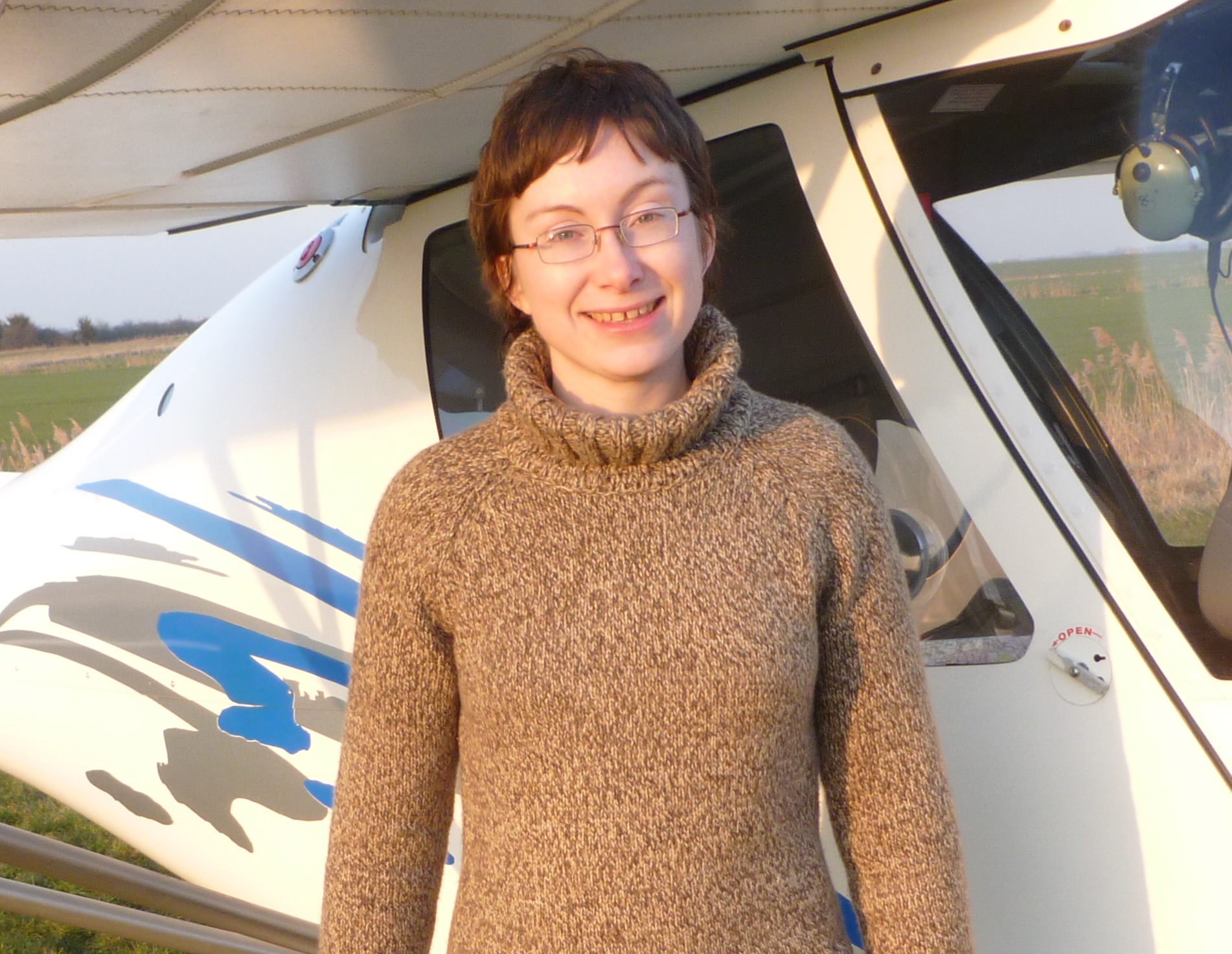
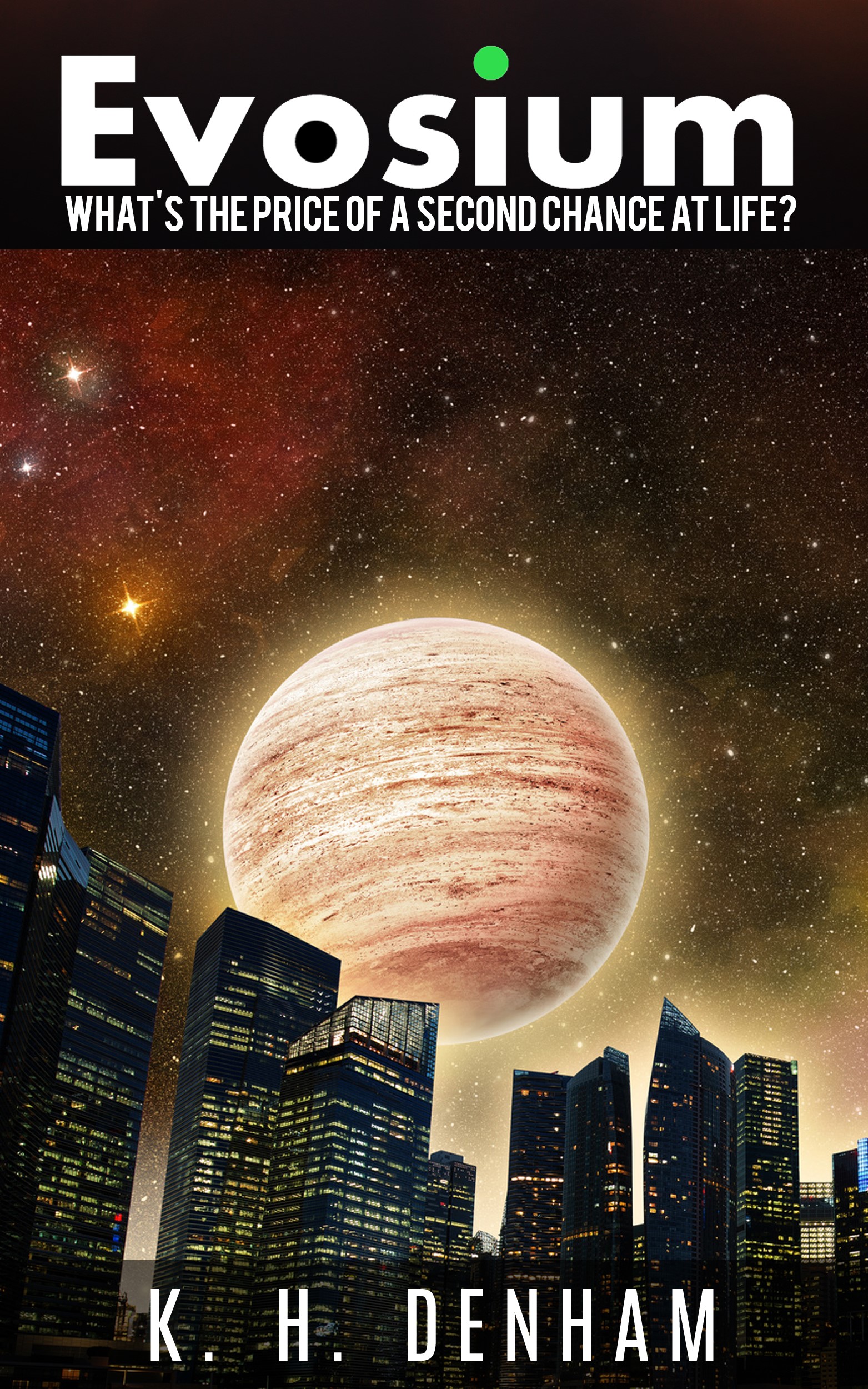
K. H. Denham is the author of Evosium available on Amazon and is presently working on a sequel to be released in 2016.