
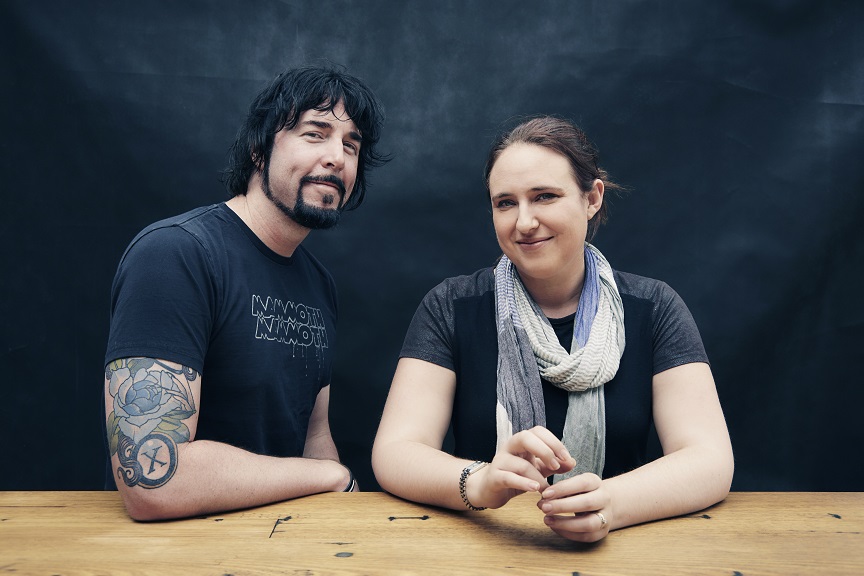
ILLUMINAE was the product of extensive planning, an (un)healthy amount of alcohol, and an acute understanding that it would never be published.
First off, you need to understand that selling a book like this into the YA market in 2013 was largely regarded as a fool’s errand. “SciFi,” we were sagely informed “is dead.” But after tooling around on ILLUMINAE for a few weeks, we were having so much fun, we decided to write it anyway. We thought we might be onto something special—if it didn’t sell, we’d only have our own rampant egotism to blame.
We started with concept sessions at the pub and the aforementioned (un)healthy amounts of hooch. Somewhere between the 4th round and catatonia, we’d kick around ideas and character thoughts. The original plan was to write a SciFi book told entirely through emails, but after that idea evolved into something much more tricksy—IMs, security cam footage, medical reports, etc—we became doubly convinced it wouldn’t sell, and just let ourselves go. No idea was too outlandish after that. No suggestion too off-beat. If we learned anything for the experience, it was “write like nobody’s watching”. That doesn’t mean write with no pants on by the way—it’s more an entreaty for you to be unafraid about writing something outside the box.
But, if the no pants thing is your jam, you will find no judgement here.
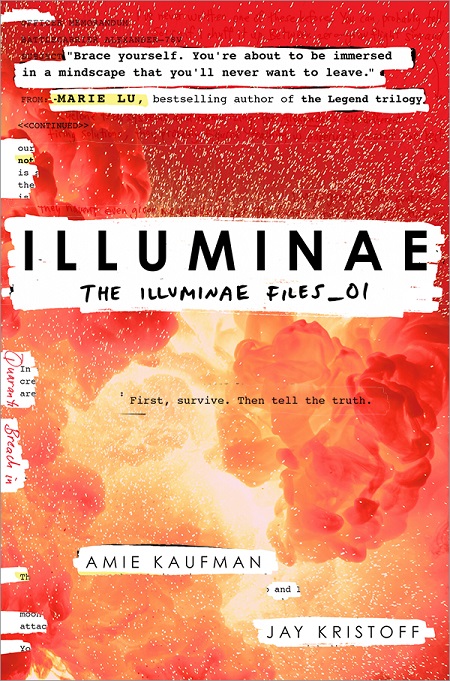 Most of the work was divided up on character lines. “You write the boy, I write the girl”. But as the project got bigger and the characters took shape, it was much easier to step into each other’s shoes. We had nightmares about spreadsheets, tracking an ongoing death tally that threatened to dwarf the collected works of GRRM. A planning document of mammoth proportions began to swell inside Google docs, tracking casualties, astrological units, travel time, the developing plot, upcoming twists and turns. The edges of the cloud began to groan beneath its weight.
As for world building, we started with the grand tradition of an interstellar humanity—a people who had mastered travel between the stars by manipulation of naturally occurring and artificially created wormholes. Journeys through systems would still take months under conventional (if advanced) thrust, but system-to-system travel could be undertaken instantaneously. We decided that the technology to create artificial wormholes would be in a nascent state, and that the only ship among our little refugee fleet that had the ability to do so would be damaged. Even though we’d built a humanity that had reached the stars, we were ultimately looking at a story rooted in isolation—our heroes were going to be cut off from help, with only their own tools and wits to save the day. Presuming the enemies among them didn’t have their way. (cue ominous thunder clap here)
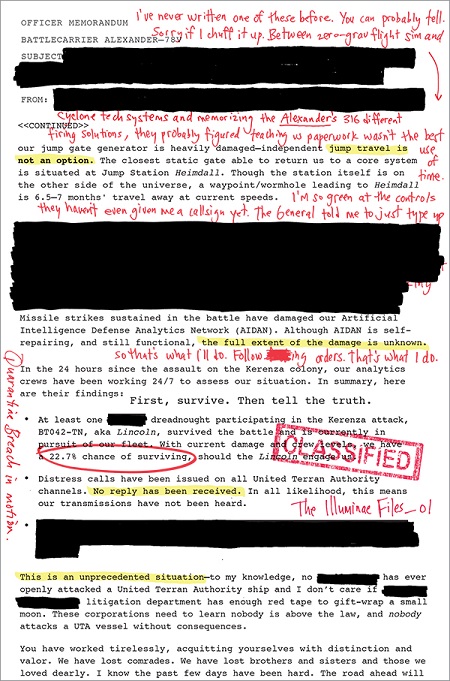 We recruited a bunch of doctors, psychologists, astrophysicists and computer hackers to consult on the book—its amazing the kind of connections you make during a lifetime of nerdery. It was important for us to get the basic rules of physics correct, since much of what we (and most non-scientists know) about the cosmos is from Bad Hollywood rather than legit Science. In ILLUMINAE, gravity works like gravity should. Acceleration, mass, vacuum, transfer and conservation of energy, even the theoretical physics of setting off nuclear explosions in space (since we as a species haven’t done that. Yet.), all of it was covered through exhaustive research and consultation. Sure, we were writing a horror action romance thriller mystery in spaaaaaaaace, but we wanted it to be believable.
It took two and a half years of work to make this book. Sleepless nights and a lot of faith. But unlike our heroes, we weren’t cut off from help, and with the backing of an amazing editor and team at Random House, we ended up with a book bigger and better than anything we’d envisaged. SciFi isn’t dead, we discovered. It’s just different.
And if there’s one word that sums up ILLUMINAE, “different” is it.




This book is different but FANTASTIC! There is no way to compare this book to anything else. I loved it so much.