

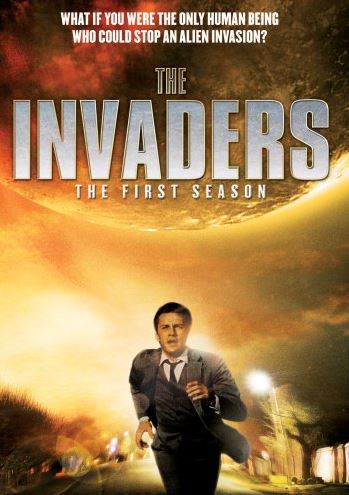
 The Invaders, alien beings from a dying planet. Their destination: the Earth. Their purpose: to make it their world.
Forget Dr Who or Star Trek. If you want to know the show that brought scares to the living rooms of TV audiences in the Sixties, look for two simple words. The Invaders!
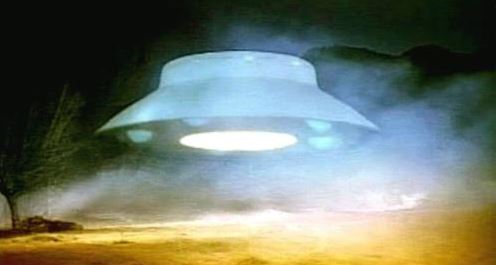
Now half forgotten, in its day The Invaders was highly successful and innovative. Syndicated around the world and repeated endlessly, it had a guest list to die for. Gene Hackman, Roddy McDowall, Anne Francis, Burgess Meredith, and Michael Rennie were among a host of big names. Sure, today we can laugh at its dated effects and dodgy saucers, but at the time it broke the mould and forged a path many would later follow. So, with its fiftieth anniversary in 2016, lets look at why it was so special.
Inspired by Invasion of the Body Snatchers, and drawing from all that cold war paranoia, The Invaders has a simple premise. The aliens are here, they look like us, and they are secretly working away on our destruction. Only one man, David Vincent, knows the truth, but he can’t prove it. The aliens are damn clever at disposing of the evidence. Each week Vincent risks his life thwarting some diabolical alien scheme, while suffering ridicule, even aggression, from the locals who consider him a total whacko.
What made it so scary and gripping? The Invaders is one of those rare, happy moments, when everything came together. The show opens with a chilling voiceover, underscored by Dominic Frontiere’s theme music, surely one of the most sinister tunes ever composed. Guaranteed to send shivers down the necks of baby boomers even today.
But that was only the rising curtain. On the whole, the scripts were finely crafted, fast paced, with a touch of human interest (broken marriages, failing careers) but none of that lovely-dovey romance that cropped up on the other shows. The emphasis was on gritty realism, nail-biting fight scenes, and the otherworldly weirdness. And the unhappy endings, audiences were denied the cosy triumphs seen on rival programmes.
The aliens’ true shape and home-world were never revealed (adding to the mystery) but they came with their own trademarks every bit as unique as the Vulcan ears. There was the three ways to spot an alien. No pulse, no blood and the foot-soldiers had those crooked pinkie fingers. When watching the show, you scrutinized the hands of every extra to walk on set, fearful of who might be the next monster in disguise. Interestingly Larry Cohen, the series co-creator, said of the stiff little fingers:
 “The extended pinkie used to be a symbol of effeminacy…back in the sixties, the homosexual community…were living secret lives. I thought, here are these aliens living amongst society, keeping their true identities secret,… and this is funny because the pinkie symbolizes homosexuality, and nobody will get the gag, but I’ll put it in there anyway.”
Also, when fatally wounded, the aliens incinerated, leaving nothing but a residue of ash. So no alien autopsies to give the game away. A simple stop-camera effect, then a red glow was added in post-production. Dated as it seems now, it was state-of-the-art back then and horrifying. The aliens’ lasers did the same thing to unfortunate humans who got in the way.
The scariest thing of all was the fact they looked like us, but weren’t. Emotionless, brutal, always two steps ahead of the hero, these aliens were the real deal. Some of the most unnerving scenes involve a human suddenly finding himself surrounded. Invariably hulking men, the aliens act with one mind to cut off the victim’s escape. A look of horror dawns on the victim’s face as he realises, not only do aliens exist, but that they are going to kill him. Often the humans offer no resistance, or the merest token, overwhelmed by the terrible knowledge they are outnumbered and therefore powerless. A Freudian psychologist might say this speaks to our darkest fears of the power of the crowd over the individual, (anything from lynch mobs to gang rape) and that’s why these scenes are so disturbing.
Perhaps the most outstanding feature is the hero. Architect David Vincent’s life is ruined by the alien conspiracy. When aliens are not trying to kill him, the public are mocking and humiliating him. His journey is a lonely path and he often appears bitter and twisted. Even his surname seems a reference to another famous loner, Van Gogh.
But he’s a lot more than that. Compare him to the heroes of other contemporary Sci-Fi shows. Captain Kirk and Agent James West had an eye for a pretty girl, always dabbling in romantic intrigues. Vincent, on the other hand, rejects the passes lonely housewives make at him. He is clearly repulsed when a shapely female alien professes feelings for him. While honour bound to save damsels in distress, at the end of each episode he drives into a lonesome sunset. From a 21st century perspective it’s hard not wonder if he’s secretly gay.
But he’s also a jerk, ruthless in his mission to prove aliens are among us. Half the people who help him end up dead. He’s quite happy to place civilians in harm’s way and even tricks aliens into killing a human collaborator. Well, we said he was twisted. Perhaps that’s what being a pariah does to you?
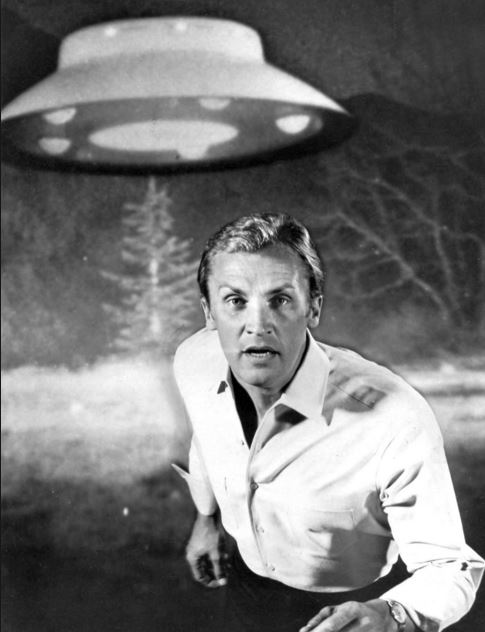 Roy Thinnes’ portrayal of David Vincent is one of the great acting jobs in SF telly history. He brings more to the role than pretty boy looks. Thinnes could convey the desperation, the bitterness, the anger, the determination with a single look. You didn’t much like him, but you were still rooting for him. Thinnes made the character’s knack of persuading ordinary people to risk their lives believable. Vincent was an anti-hero, and Thinnes captured that brilliantly. Despite all the roles Thinnes has done since, he will be remembered as that lonely architect.
Cast and crew of The Invaders were disappointed when it was cancelled after Series Two. In hindsight, that saved it. Instead of a terminal decline into silliness, (like Lost in Space or the more recent Lost) The Invaders left us a collection of stomach churning, edge-of-the-seat storylines. The show is a polished gem, still shining brightly today.
And its light shines far. Without its influence, we wouldn’t have The X Files. Fox Mulder (another heroic jerk) is basically David Vincent rebooted for the nineties. The same goes for shows like Dark Skies, Invasion and a whole host of lesser programmes and movies. The Invaders established Sci-Fi tropes for the first time on television we now take for granted. It sparked the appetite for UFO conspiracies. It showed you don’t need romance or all American families to write a hit TV show.
The show’s cancellation left us without a resolution. For all we know, David Vincent and the aliens are still out there, fighting their war. Perhaps, as the narrator said every week, the nightmare has just begun!
 Ian C Douglas is the author of the Zeke Hailey novels about a psychic teenager fighting demons on Mars. He also writes short stories and for the press.
www.iandouglas-writer.com
References: http://classictvhistory.com/EpisodeGuides/invaders.html





Well said, Ian. It was favourite back then when it first aired when there were so many UFO flaps in the news and of course the Cold War. Obviously playing to our national psyche, the episodes were well written and acted. I loved the 5 act episodes, a Quinn Martin specialty.
Great show. I like to recite the opening lines .. “Staring Roy Thinnis as architect David Vincent”. Why bother with the architect monicker. Did he ever do anything job related? No matter. He kept us all in suspense.