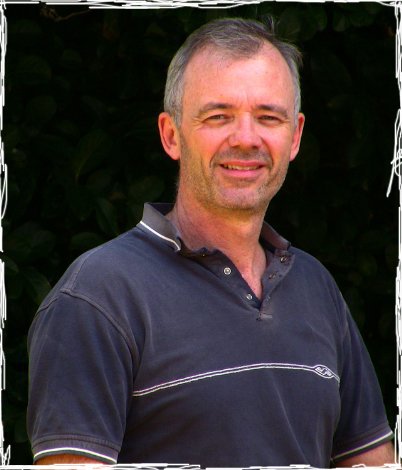
 My debut novel The Forest of Life is set towards the end of the 22nd Century in a radically different world to what we have now. All the environment is gone, except for one last stand that is walled off and protected, and in my story two young lovers try and save it. Some readers love the love story, others don’t – but everyone seems to have been blown away by the world building in there, describing it as incredibly scary and real, and skilfully built. This surprised me because I thought it was just another part of the book to do and I didn’t really pay too much attention to what I was doing there as I was doing it.
Looking back on it now though these are the things that I was going through as I was building my world – and hence are my Top 7 Tips For World Building.
- Take your time. Let the ideas build up over time. This will allow you to get something really in depth and well thought out. There was 11 years of writing The Forest of Life spread out over 27 years, and in all those writing years I added to my idea of the world I was creating
- If you are going to take your time though you must realise how much your characters are caught up in this bigger world. They may be relatively immune from it, in which case you can develope and change your world as you are still writing the story, without this causing too many rewrites and rethinks. If the characters are locked in very tightly to this bigger world picture, then lay down early on what the core parts of that world are, before you start to write the story. Then other parts added to the world shouldn’t be a problem. This is what I did with The Forest of Life – the core parts didn’t change at all from the beginning, but the smaller parts did.
- Let ideas beget other ideas – if you decide even for arbitrary reasons – that one thing is part of your world, then that will automatically suggest other characteristics of that world. Run with your imagination and let one bit lead onto another. In The Forest of Life there is no environment – so therefore there would be dust storms – so what do I do? – invent rebreathers to control the weather and oxygen levels. There’d be no food – so I invent organoprocessors to produce it – and they work in synch with the rebreathers in providing oxygen and carbon dioxide. One idea leads to another and before you know it you have the rudiments of a whole world.
- Work out what your touchstone is ~ how realistic or not is your world? ~ what is the dynamic it is trying to conform to? If it is realistic speculative fiction – then obey scientific facts and laws – if it is pure fantasy or even comedy then let that be the overarching touch stone that you measure every element of your world. If there are apparent contradictions make sure they add to it, and don’t subtract from it. In Forest I was writing a realistic prediction of the world in almost 200 years – the future looks somewhat different now to what it did when I first started writing the book so I had to update some predictions and incorporate certain technologies to keep it believable as a piece of speculative science fiction.
- Be imaginative the audiences want to escape and learn – take them places they have never been before. This applies to the humanity you are presenting in your characters as well as to your world.
- Your world is more than the physical processes that define it – it is also the characters and how they are both a product of that world, and drivers of it. So in Forest I had certain characters that had helped make that world what it was and others whose lives were totally defined by that world they were born into. Some of those characters were completely oblivious to that, and others fought it desperately.
- It doesn’t hurt to develope the world in detail past that which is needed in the book – as this increases the level of reality to the reader – even if there are only little things that are hinted at. If they are coherent and fit into to your world they help make it larger than life and more believable. They are also fun bits for diligent readers to put together afterwards. Some bits can be linked, others can be completely stand alone – I had a lot of fun with this with the Newsflashes in The Forest of Life.
For more on my work look to my Youtube channel, Amazon Author Page, or Web Page