SFFWorld End of the Year 2025 Part 2
Welcome to our now-traditional look over what we at SFFWorld have enjoyed this year. We have tried to limit our choices to five in each category, although as you will see, this can vary. Most are in alphabetical order, or no order of preference.
Part 1: Fantasy Books
Part 2: Horror Books
Part 3: Science Fiction Books
Part 4: Film and TV.
The staff involved this year at various stages in the four parts are Rob Bedford, Randy Money and Mark Yon.
—————————————-
Without further adieu, lets get started! This time, it’s Horror Books.
Part 2: Horror Books
Rob Bedford:
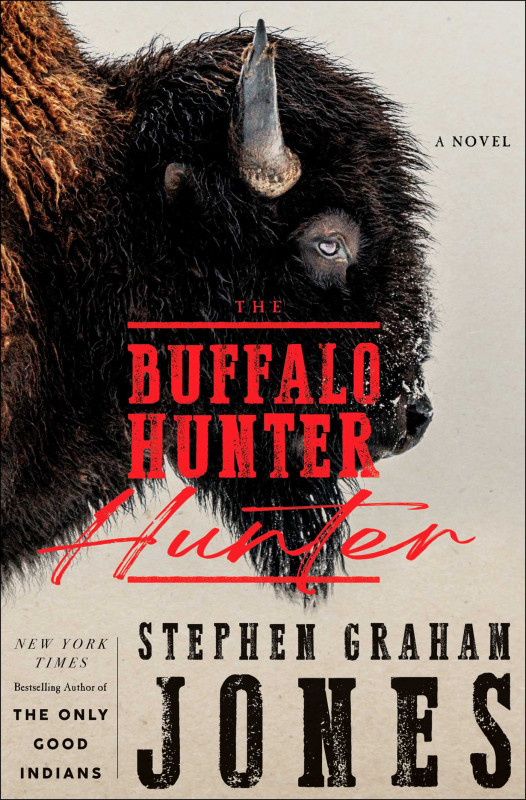 The Buffalo Hunter Hunter by Stephen Graham Jones
SGJ calls out Dracula as an influence, of course, and the structure of the novel as an epistolary novel (a novel whose narrative is largely told in letters) hammers that home. Well, that and the fact that Good Stab is a vampire (though the word is only said once in the entire novel). … There isn’t as blatant of a unreliable narrator element as the most famous in the genre, Severian from The Book of the New Sun, but there’s always that question of believability and trust when a story is told through first person narration. … There are some novels, they are rare I think, that as you turn the pages, you realize you are reading Something Special. That you’re reading maybe a game-changer of a novel, a Landmark Novel. I began feeling that way maybe one third or so through my reading experience of The Buffalo Hunter Hunter.
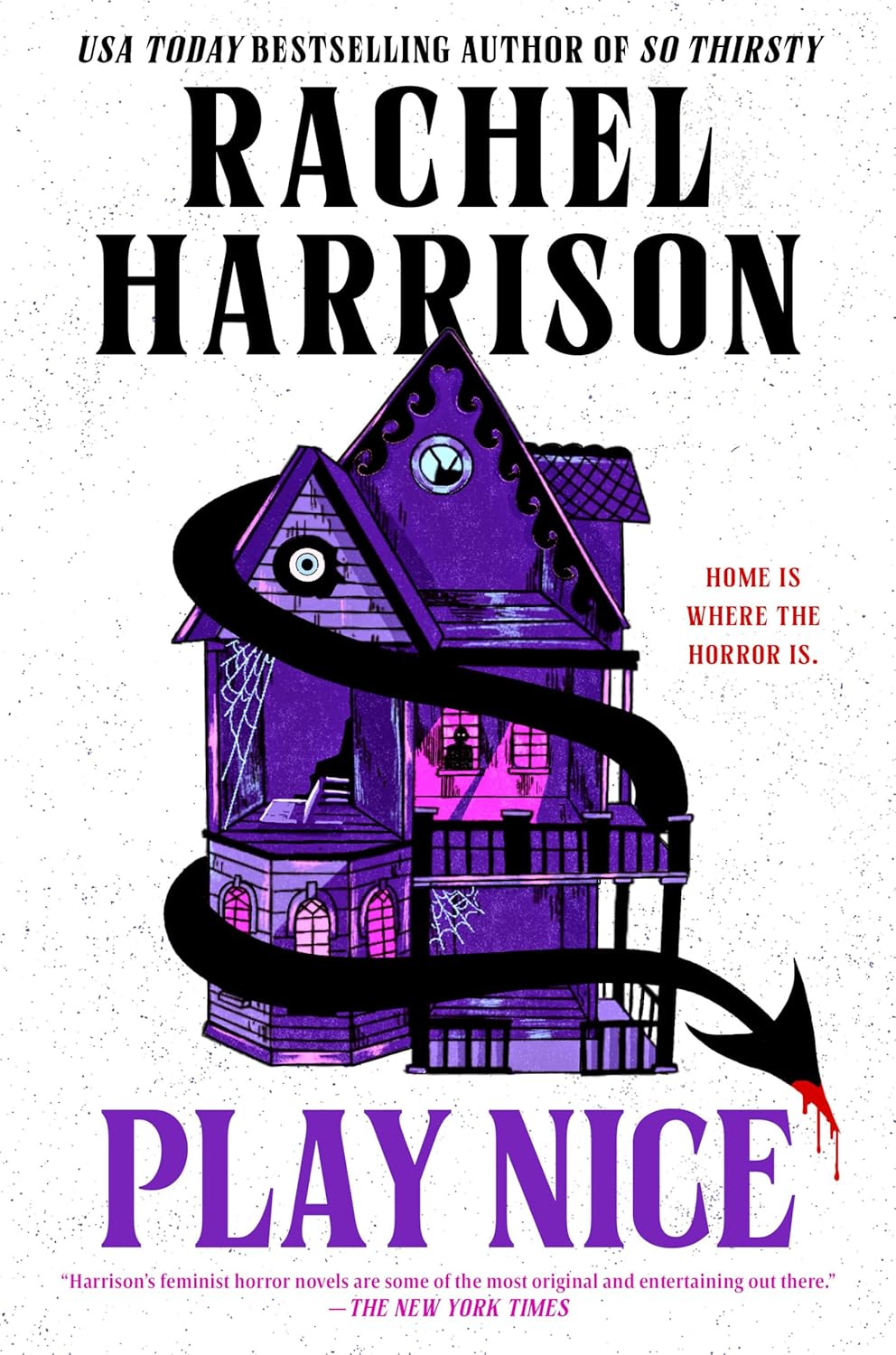
Play Nice by Rachel Harrison
Rachel Harrison has become one of the defining voices of Horror fiction the last half-decade. It is tough for me to rank Play Nice in her shelf of books, but that’s largely because they have all been of such high quality – supremely entertaining, extremely potent and with a distinct voice, and they all have Something Important to Say. But her books say these Important Things in such a way that they are core to the story and don’t preach or beat you about the head with a Message. It is a tricksy balance, but Harrison is very agile at walking that line
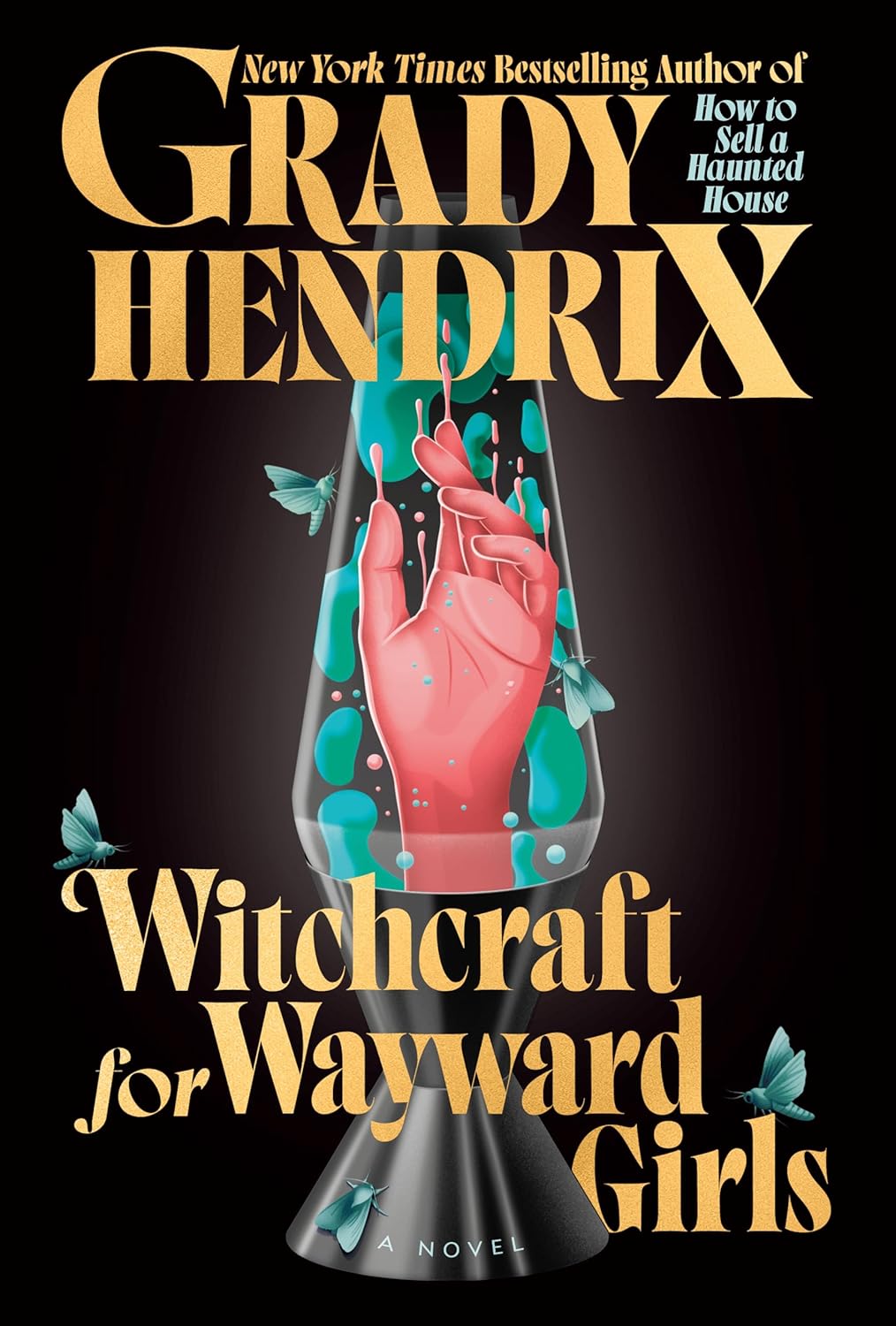
Witchcraft for Wayward Girls by Grady Hendrix
Hendrix’s narrative style remains a strong point for his novels, easy-going prose, strong characters, relatable snarky descriptions. He does a lot of character building through the first third of the novel. … Wellwood House reminded me a bit of Reverend Gardner’s Sunlight Home for boys in Stephen King & Peter Straub’s The Talisman. … The timeliness of this novel is hard to ignore. Even though it was initially slated for a mid-2024 publication, the current climate in the United States is … shall we say not very kind to women, women’s bodies, and women’s health. … One of Grady Hendrix’s greatest strengths in every novel he’s published is a sharp, insightful ability to tap into a cultural mindset and make that hook of his story a looming theme.
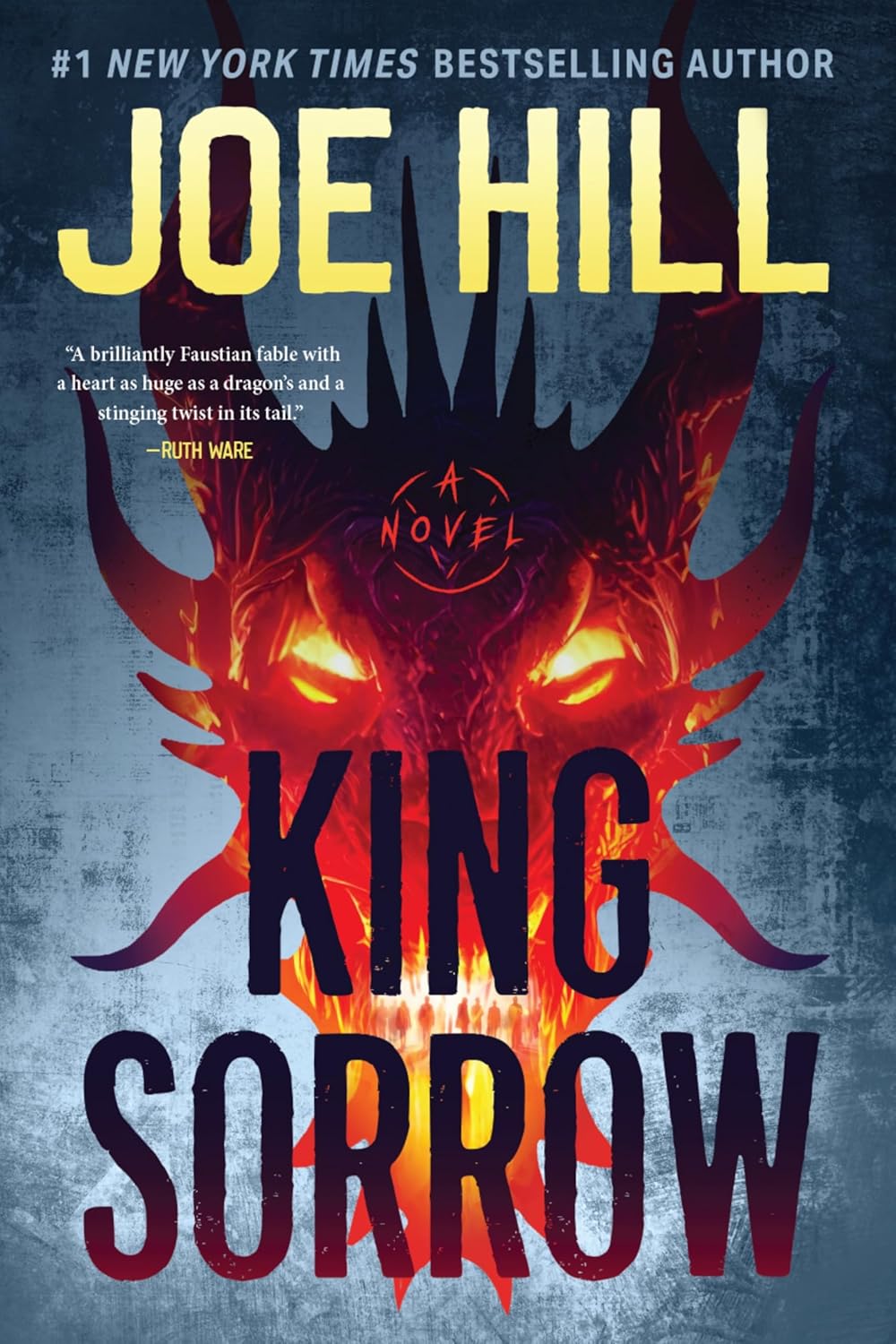 King Sorrow by Joe Hill (Favorite Horror Novel; Favorite Novel Overall, published in 2025)
One of the skills I most appreciate in a writer is when they are able to finely balance a story between epic and intimate. King Sorrow balances those elements very powerfully. … The power of story has always been a part of Hill’s fiction, which is no surprise. From Locke & Key’s examination of story and imagination, to the power of story and song in Heart-Shaped Box, story is a web that connects Hill’s characters. Arthur is a book and story-obsessed scholar who studies and teaches about story and myth. There are references throughout the novel to many, many fantastical and dark stories, to historical events over the past 40 years and how some of the stories referenced in this tome might have connections to those events.
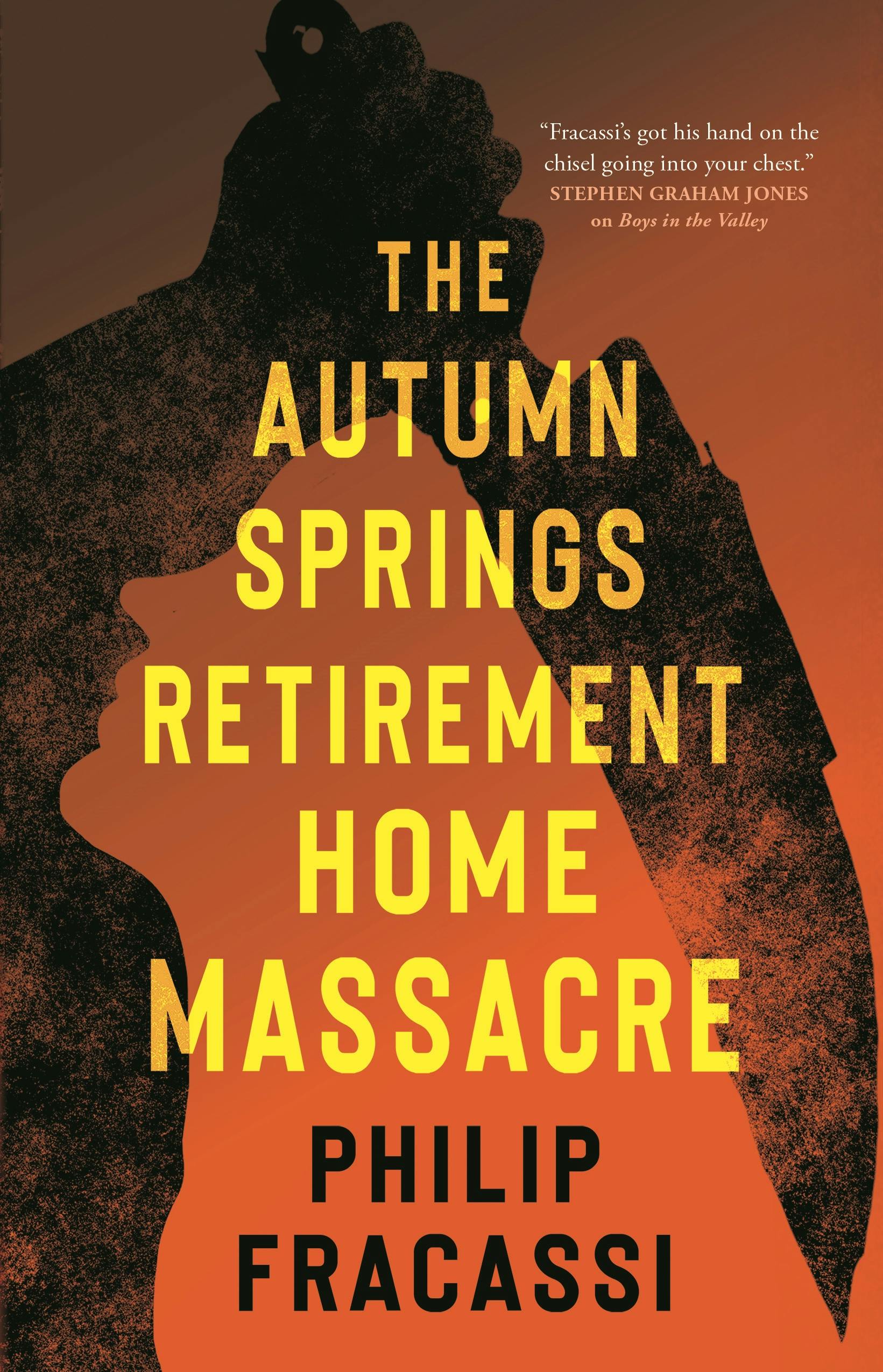 The Autumn Springs Retirement Home Massacre by Philip Fracassi
Seems fairly straight-forward, but Fracassi gives his characters such depth, he builds powerful empathy for them that this novel is far more than just a “Septuagenarian Slasher.” Case in point – Rose, I soon fell for her as a character, I loved her. A great writer gradually reveals layers of their story and characters and with Rose, Fracassi delivered a master-class in a slow reveal of the character. We knew what we needed to know about her when we knew it about Rose and when we knew more of her backstory it led to a wonderful, powerful reveal of just what an incredibly strong character Rose is. She kept her life history fairly close to the vest with the small circle of friends and acquaintances in Autumn Springs, just as she did with the readers.
Honorable mentions: The Staircase in the Woods by Chuck Wendig; The Sundowner’s Dance by Todd Kiesling; The Place Where They Buried Your Heart by Christina Henry; When the Wolf Comes Home by Nat Cassidy
Mark Yon:
I was surprised by how much Horror I’ve not read this year – it’s not intentional! I am pleased that Rob and Randy seem to have it covered, though. However of the little I have read, these were favourites:
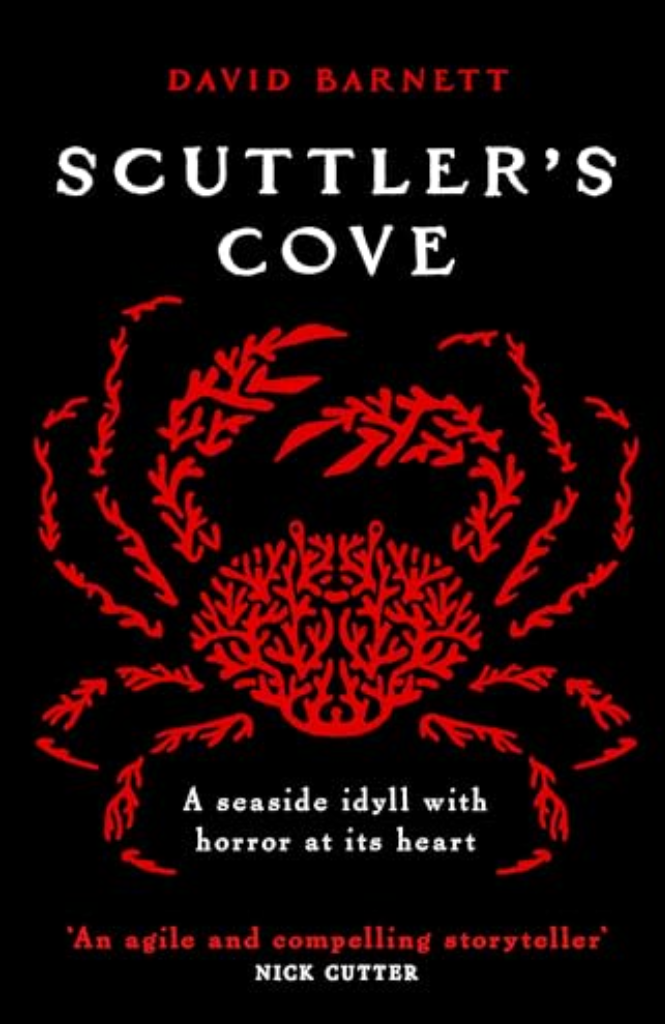 Scuttler’s Cove by David Barnett
A nice little horror story set in idyllic Cornwall; not too deep, nor too graphic, although it has it’s moments. Reminded me a little (and with great fondness) of Guy N. Smith’s Night of the Crabs from the 70’s, although I referred to it in my review as ‘Doc Martin meets The Wicker Man’.
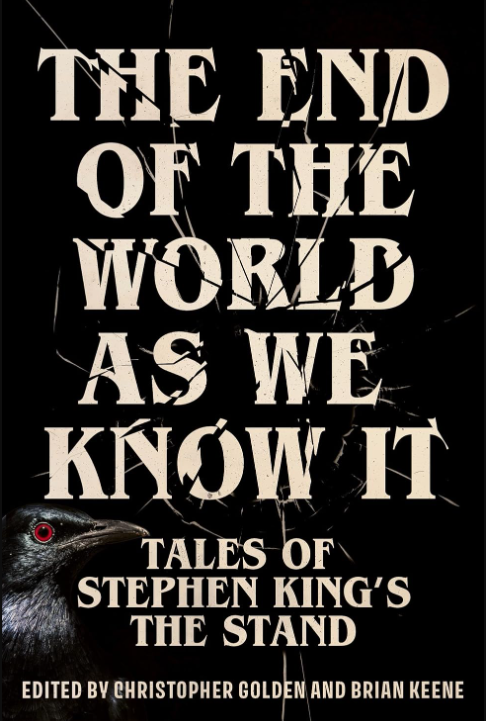 The End of the World As We Know It: New Tales of Stephen King’s The Stand Edited by Christopher Golden and Brian Keene
This one is one of this year’s biggest compilations, and in the end that actually may be to its detriment: it is almost too big, too much. However, taken in small doses, this tale of post-viral apocalypse may be the right medicine in these post-Covid times. It made me want to read Stephen King’s The Stand again, which is not a bad thing. Too many stories to pick out specifics, but the editors deserve respect for pulling together this mammoth project that is clearly a labour of love.
When I reviewed it for somewhere else I said: “The End of the World As We Know It is a book that deserves credit for effort, but is less successful in its execution. It is understandable that so many good writers want to write in Stephen King’s world, but I couldn’t help wondering if a more judicious pruning of the book would have meant that the stories would have been more memorable overall. The difficulty would be, of course, choosing the ones to keep and those to go. Don’t get me wrong – this tome is a valiant effort and a worthy tribute to King’s original work, but I do feel that the editors may have missed a trick or two. More variety is really needed in order for the stories to be memorable. Although there are some stories set in places other than the USA, some more global stories would have been nice, and perhaps more use of some of King’s original characters would not have gone amiss.
Summing up, think of the collection as a literary equivalent of the Beatles’ The White Album – a victim of its own excess, mostly good and even excellent in parts, but ultimately numbing in its cumulative impact overall. Sometimes less is more.”
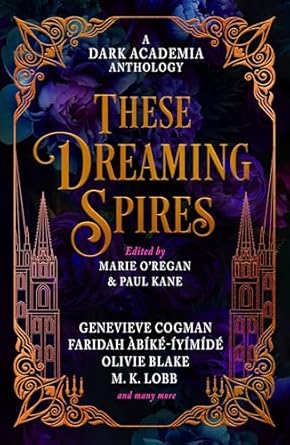
These Dreaming Spires Edited by Marie O’Regan and Paul Kane
An appropriate summary of Dark Academia from this year, one of this year’s hottest sub-genres; not quite as good for me as last year’s In these Hallowed Halls, but still a varied and consistently good read. In my review I said that “All in all, These Dreaming Spires shows you that the sub-genre still has ideas to give. Folk horror, cosmic horror, body horror, stories set in the past, present and future, and showcasing a pleasing number of new-to-me authors, the collection is engaging, varied and diverse enough to cover a range of stories that should again satisfy any fan of the genre, evoking images of academia and student life that will resonate with dark academia fans (dark academics?)”
Honorary mention to The Pale House Ghost and The Flesh King by Richard Kadrey, two novellas which I read over October. I enjoyed the first so much I went straight away to the second.
Randy Money:
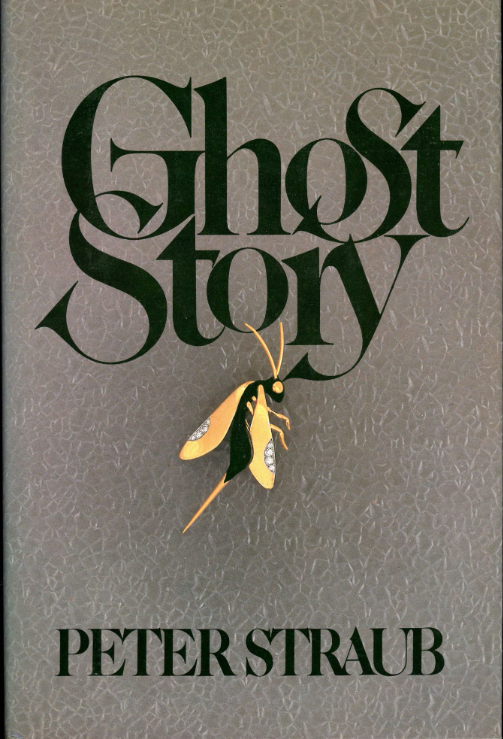 Ghost Story by Peter Straub – Not the masterpiece I thought after first reading it in 1979 or 1980, but still a strong horror novel, one of the best to come in the wake of Stephen King’s early successes, and one that influences more recent writers like Stephen Graham Jones. This would pair well with Jones’ The Only Good Indians.

The Twisted Ones by T. Kingfisher – Kingfisher draws on Arthur Machen’s “The White People” to fashion a less ethereal but perhaps more engaging story of ordinary people facing the extraordinary.
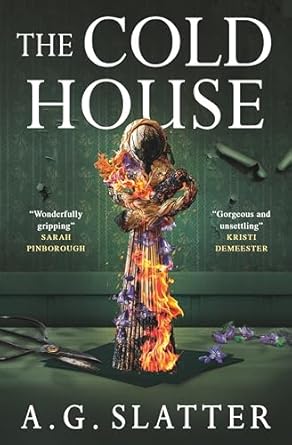
The Cold House by A. G. Slatter – Unlike what I’ve read by Slatter in the past (A Path of Thorns; A Feast of Sorrows) this takes place in contemporary times. This is a tight novella that lays its premise down concisely, fleshes in its characters just enough and doesn’t overstay its welcome. If you like witch fiction, this might scratch that witch itch.
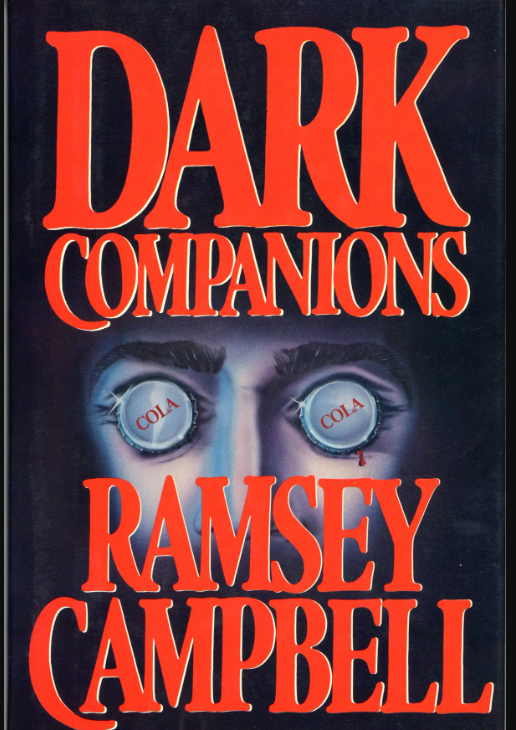
Dark Companions by Ramsey Campbell – A story collection. Campbell is arguably the foremost writer of horror over the last 50 or so years not named Stephen King, and his short fiction is often disturbing.
ADDED EXTRA: Just to prove that some of us do read non-genre stuff (or at least stuff with only peripheral connections to our usual material, here’s some Mystery/Crime books Randy’s really liked this year as well:
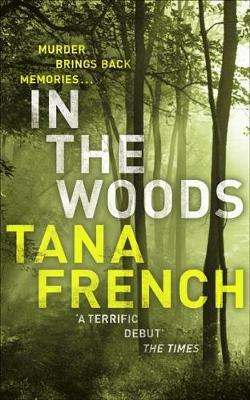 In the Woods (Dublin Murder Squad #1) by Tana French – Probably the most fully developed, impactful novel I read this year aside from Ghost Story. Flirting around the edges of folktale, this follows the investigation of a young girl’s murder by two detectives, Cassie Maddox and Rob Ryan, the latter with a connection to the locale that includes an earlier mystery of missing children. As with most police procedurals this demonstrates the need for luck and timing to solve a murder, as well as the drudgery of interrogations and chasing down false leads. But the grotesqueness of the murder, the body located on an altar found in an archeological dig, the grudging memories exhumed from Ryan as he grapples with his past, all make this a gripping psychological thriller.
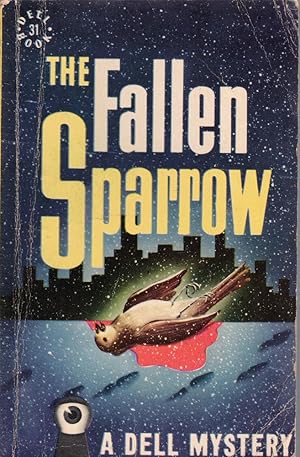 The Fallen Sparrow by Dorothy B. Hughes – While not as powerful as Hughes’ later novel, In a Lonely Place, an essential noir novel, this reinforces how adept Hughes was at placing broken men in psychological pressure cookers. Kit McKittrick escaped from a political prison in Spain; he had been fighting in their civil war. Now he’s back in New York City, trying to find the murderer of his best friend. Part murder mystery, part spy novel (dedicated to Lieutenant Eric Ambler) this is at once a typical 1940s entertainment, with a bit of romance, and a not so typical genre novel with the ostensible hero torn between three women, one he loves, one he respects, and one he doesn’t know what to make of, all three guiding him in one way or another toward the truth. Hughes isn’t as well remembered as Raymond Chandler; this is the third novel I’ve read by her, and I think maybe she should be.
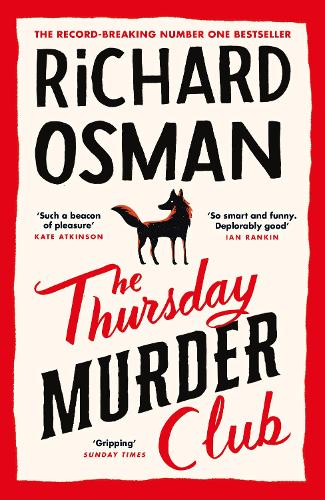 And now, for something completely different: The Thursday Murder Club by Richard Osman – A throwback to “Golden Age” British mysteries (mostly from between the world wars), when killers were monied and murder an excellent excuse for an adventurous, gleeful lark. Using the template of those mysteries, Osman fashions his slow reveal of the secrets surrounding multiple murders. Of equal interest to the murders are the sleuths, residents of Cooper’s Chase, a retirement village: Ron, a former labor leader; Ibrahim, a psychiatrist; Joyce, a nurse; and Elizabeth, their leader, a former intelligence operative. This merry band are energized by having a mystery so close to them and feeling the police inadequate to the challenge. But don’t think it’s all a frothy souffle of a book. Osman pulls off the neat trick of keeping his novel mostly light-hearted while never letting us forget the current, short trajectory of their lives, the friends they’ve lost, the need for each other to feel alive and useful. On the whole, an enjoyable first novel demonstrating insight into aging.
And lastly:
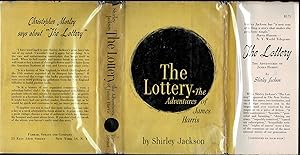
The Lottery, or, The Adventures of James Harris by Shirley Jackson – Finally read this cover to cover. Note that later editions are titled, The Lottery and Other Stories, which I think lessens the book’s impact by misdirecting the reader. Jackson draws on one of the Child Ballads (no. 243, quoted in the epilogue) about a sailor, Harris, back from the sea who convinces his former lover, now married, to sail away with him, only to reveal he’s dead and sailing her to Hell. Except for the title story, this is not a horror collection, but it is Gothic, and in large part because Jackson introduces into each story some variation of James, Jamie, Jim, Harris as, master of domestic anxiety, she rings variations on the terrors and indignities of contemporary life for women in the 1950s and 1960s. And probably for now, as well.