
 We all love a good shape-shift. I certainly do; always have, ever since I first discovered them reading the Icelandic sagas. Like most good ideas, though, shapeshifting has been greatly over-used in genre fiction in recent years. I had in mind for a very long time an approach to re-vitalising the shapeshifting idea, and eventually found the right context for it.
Her mind wasn’t opening up but closing in, becoming something else. Changing.
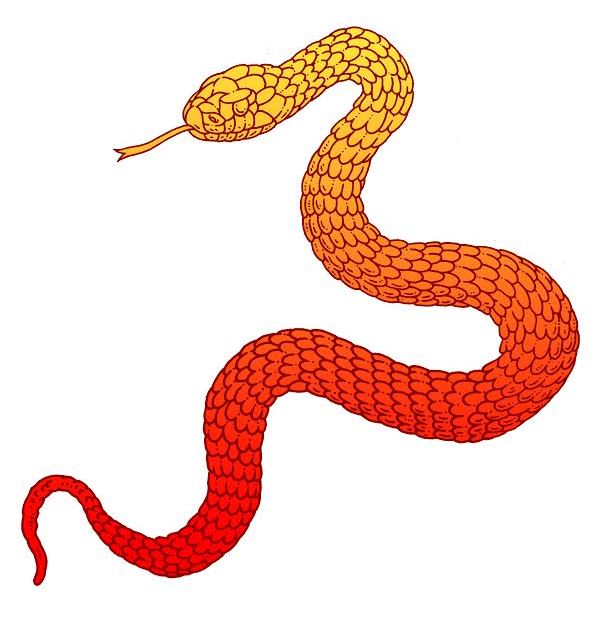
I call this new approach “mental shapeshifting”. The shifter does not really change physical form, but only imagines that they do. In their mind, they become a different creature, and their body reacts accordingly. An “extreme psycho-somatic reaction” would perhaps be a scientific definition. So extreme a reaction that, while shifting, the person no longer thinks of themselves as human. An ego remains, but not as it was before:
Her brain felt small and cold. There’s only me. I must survive.
As we all know from our own experience, adolescents physically and mentally go through a traumatic period of change and emerge at the end as a new creature, never to be the same again. The adolescent typically feels that no one understands them, least of all themselves.
 ‘It’s happened once, so I guess it could happen again. I don’t know when. I don’t know what I’ll imagine turning into next. It really scares me.’
I applied my concept of mental shapeshifting to a thirteen year-old for the same reasons. It is the inherited result of a brain epidemic that killed off most of the preceding generation. The capacity for mental shapeshifting forms in the brain during a coma known as the “Changing” that affects all adolescents. The similarity to the cocoons of insects is not only striking and creepy, I think, when applied to a human, but also captures well the unbridgeable divide between childhood and adulthood that adolescence constitutes.
Whatever was happening was part of her now, she told herself. Whatever she became was her.
An aspect of shapeshifting that is perhaps ignored or understated in a lot of contemporary depictions is how exhausting and disorienting it would be. The Icelandic sagas do not disappoint here. The person about to shift is often shown to become surly and asocial as the moment approaches. Afterwards, they are shown as drained by the experience. It was important to me to try and depict this in relation to mental shapeshifting; if we accept the premise, the experience would be traumatic:
I must have twisted my body in all kinds of ways that I could never do normally. I must have dislocated and replaced joints, I must have resisted pain that I normally couldn’t stand.
The sagas probably used physical shifting as a metaphor for anti-social psychological or personality traits that were highly dangerous to small, isolated communities. The overly aggressive person’s character is shown when they actually become a wolf. The bloodthirsty, uncontrollable warrior actually becomes a bear. But how plausible is the concept of mental shapeshifting?
Science has a very long way to go to fully understanding the human brain (if that will ever be possible). It is generally recognised, though, that the modern brain contains physical traces of earlier stages in its evolution. Our genetic inheritance lets us experience occasional flashes of our distant ancestors’ lives, particularly in dreams, such as the very common one of falling, where we relive one of the most terrifying experiences for the tree-living creatures we once were.
The human brain almost certainly contains potential abilities that have been lost because no longer needed, or that have not yet developed because not yet needed. What if they were needed? Literature can imagine situations where they might be, and the characters live out the consequences.
She was who she was. I am I. That’s all.
 About the Author
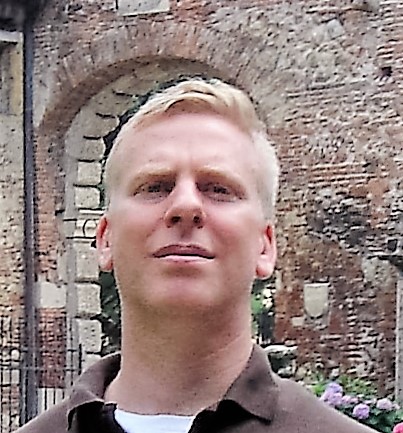
S.C. Flynn was born in a small town in South West Western Australia. He has lived in Europe for a long time; first the United Kingdom, then Italy and currently Ireland, the home of his ancestors. He still speaks English with an Australian accent, and fluent Italian.
He reads everything, revises his writing obsessively and plays jazz. His wife Claudia shares his passions and always encourages him.
S.C. Flynn has written for as long as he can remember and has worked seriously towards becoming a writer for many years. This path included two periods of being represented by professional literary agents, from whom he learnt a lot about writing, but who were unable to get him published.
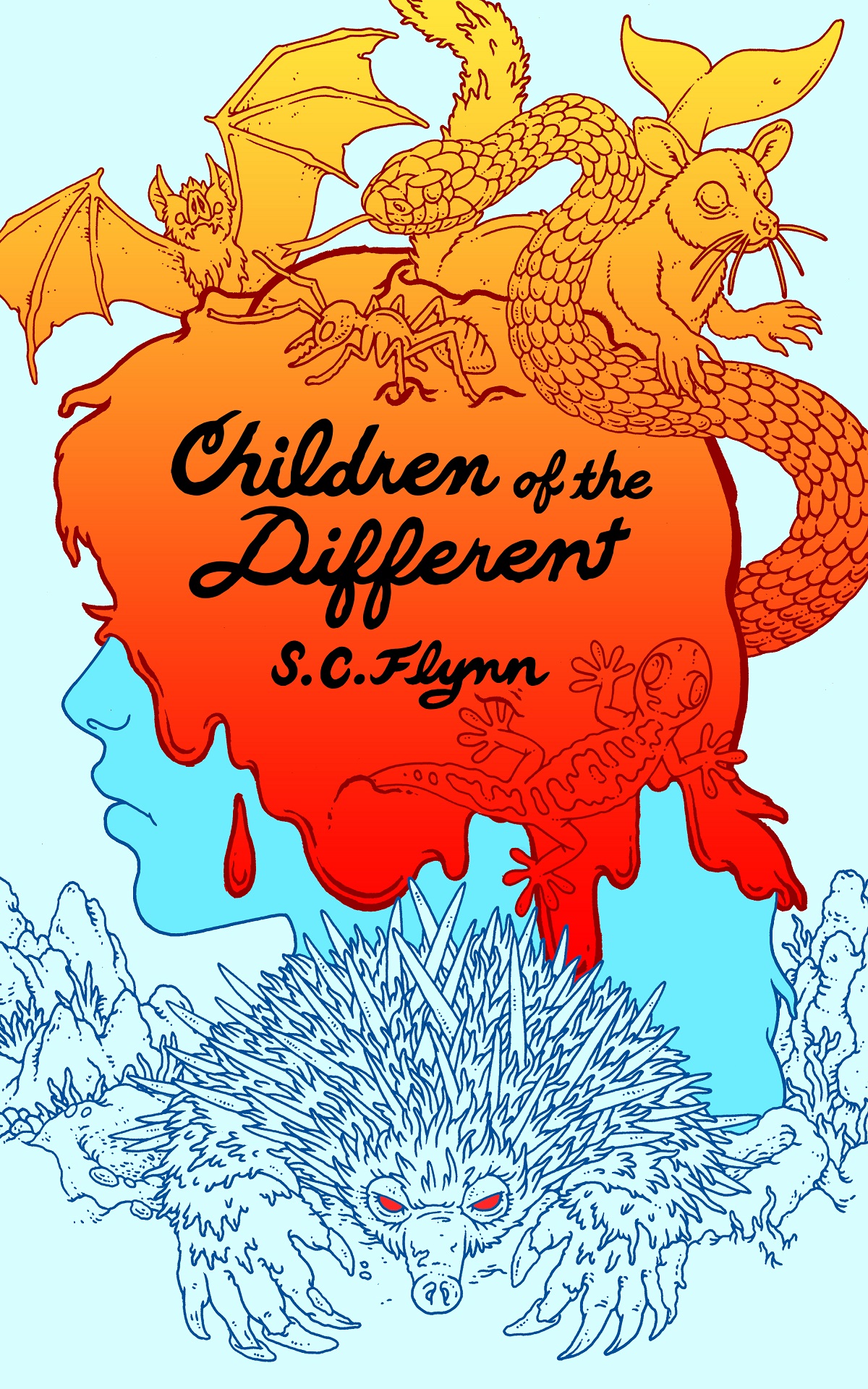
He responded by deciding to self-publish his post-apocalyptic fantasy novel, Children of the Different and, together with an American support team, aimed for a book as good as those created by the major publishers.
C. Flynn blogs on science fiction and fantasy at scflynn.com. He is on Twitter @scyflynn and on Facebook. Join his email newsletter list here





Thanks for hosting me here!