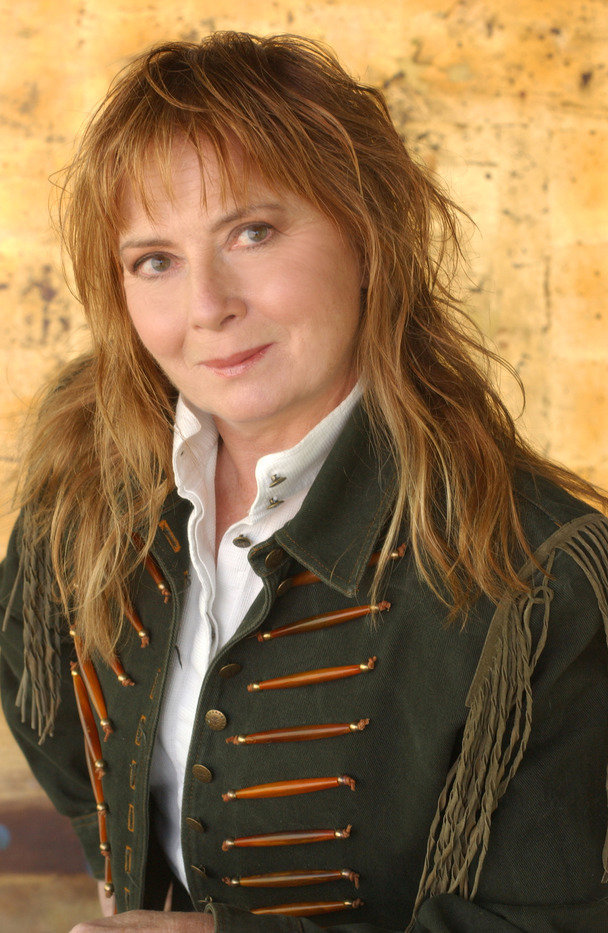
 SFFWorld is very pleased to present an article from Melinda Snodgrass, an Emmy award winning scriptwriter (Star Trek: The Next Generation) and a bestselling author of over a dozen sci-fi novels. She is a close personal friend of George R. R Martin, as well as a coeditor/contributor to his popular Wild Cards SF/superhero anthologies.
We asked her for advice on one of those tough questions for writers – how do you get a great ending? Here is her response:
Writing is like any other skill. You have a tool box and as you hone your craft you add more tools. There are sections in the box with labels like plot & theme, writing sharp dialog, creating engaging characters, handoffs, satisfying endings.
All of these various skills work in concert, but I think if a writer fails to deliver a satisfying ending — the ending that has been promised by the story then the entire project is likely to fail. It doesn’t matter how good the ride or delightful the journey. If the final scene is disappointing and leaves the reader/viewer/player feeling cheated they probably aren’t going to be recommending that book or film or game to their friends and family.
There are various ways to state this — “keeping your promise”, “sticking the landing”, “providing a sense of closure”. Often people who dismiss this requirement do so by sniffing “that the readers/viewers/players just want a happy ending.” That may be true, and it’s probably a topic for a different essay, but let me say that I think there is case to be made for the happy ending. Too often critics seem to equate darkness with importance.
So how do you make an ending satisfying? First, you have to lay in the ultimate solution and the tools to bring about that solution in the beginning of the book or film or game. You can’t suddenly ring in a new player, or a new fact, a new magic power or super power for the protagonist to use at the end and expect to keep your fans. They will rightly feel cheated, that you hid the football from them and didn’t play fair. Worse is the conclusion that you didn’t really know what you were doing and just grabbed for some kind of resolution. Often those kind of ending don’t seem organic and true to the world that was created, the rules of that world, and the problem as presented.
An example of this kind of failure was game three of the popular Mass Effect. In the game the problem was the Reapers, massive life ending machines that killed on a planetary scale. They were very cool and very scary, but as I played I kept wondering if anybody in the writer’s room at the beginning of the project had said — “So how are we going to defeat the Reapers?”
If the end to this epic story was going to work the solution needed to be nailed down right from the start and the tools — the pistol hung over the mantelpiece so to speak — had to be set in position. Not in an obvious way, but it needed to be present. Unfortunately that didn’t happen. Instead after three games and countless hours of play the solution proved to be a new character that was introduced in the final minutes (a major party foul) who then offered the player decisions that seemed unsupported by anything which had come before.
One could argue that the designers couldn’t predict that the first game would be so wildly successful, but if there is the potential for a follow on story I think it’s the obligation of a writer to plan for that ultimate ending. To make certain the win is earned and deserved by the main character, and that the solution feels honest.
An example of doing it well is J. R.R. Tolkien’s magnificent Lord of the Rings. I first stumbled upon the books when I was about ten years old. I gulped them down in a single weekend then immediately started rereading them. At that age I thought that all stuff after Aragorn became king was just boring. Then I grew up and I realized that the trajectory of the books was always pointed toward those final chapters — The Scouring of the Shire and The Grey Havens.
The small petty jealousies and resentments the will lead to the ruffians terrorizing the peaceful Shire are on full display early on in The Fellowship of the Ring where we meet Sam and Ted Sandyman the miller’s son drinking at the Green Dragon Inn. We are introduced to the Sackville-Baggins, and all the opening action is about giving things away and leaving. We have Frodo’s prophetic question, “I wonder if I shall ever look down into that valley again?”
And the answer is no, because he is a changed man and the Shire itself has been changed by acts of banal evil. An echoing reflection of the shattering events in Gondor and Mordor and a reminder that evil can be found among the great and the small and only vigilance and sacrifice can offer any protection.
There is a bitter sweet quality to the trilogy. The world has been saved but much has been lost and all one can do is go forward which is exemplified by Sam Gamgee, in many ways the most heroic figure in the books.
Stories done well create the sense that they are spun of gossamer and dreams. But dreams fade and gossamer shreds if the foundations aren’t strong enough to support the castle or the starship. A creator needs to know what is this story about and why does it matter? And does my ending answer those questions?
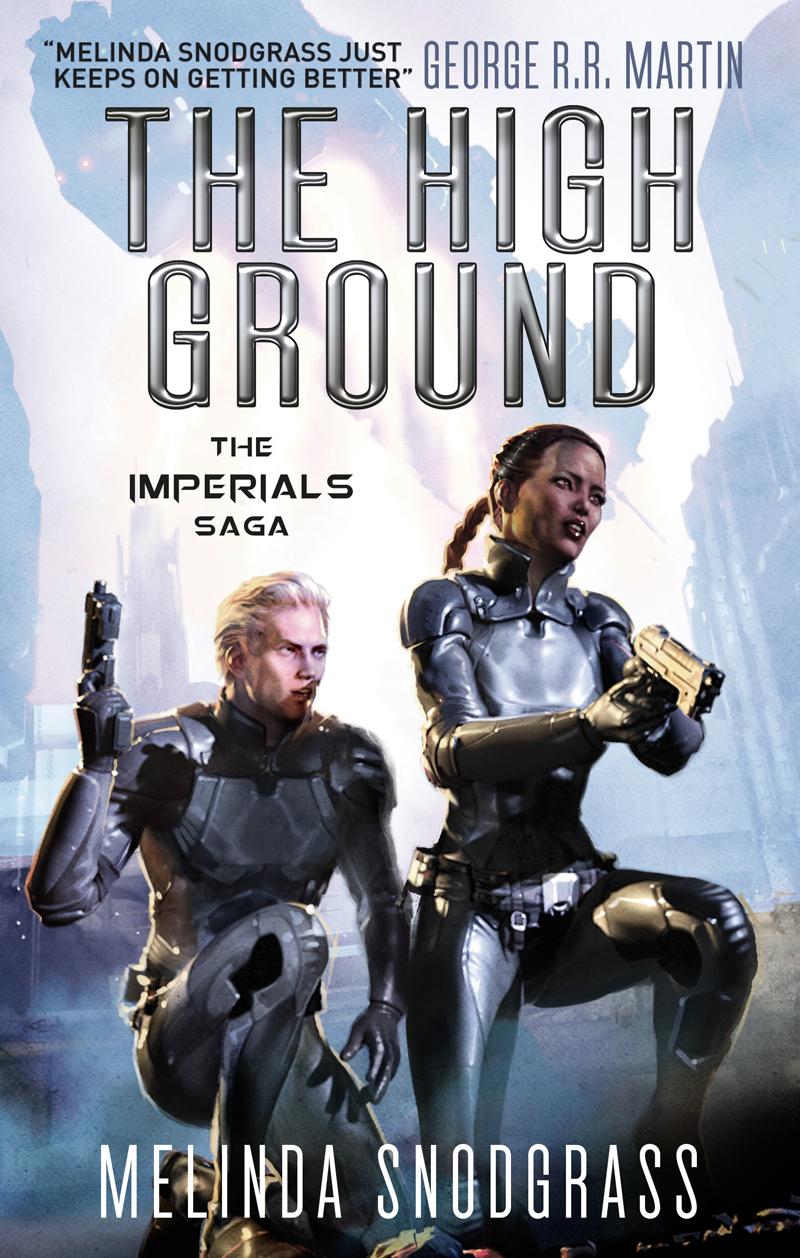
Melinda’s latest novel, The High Ground, is a new epic space opera, the first book in a five part series. Packed full of action and intrigue, it will delight fans of Ann Leckie and David Weber. It is published by Titan Books UK this month.