Angels, demons, and vampires. Lovers hiding their true feelings. Spain a few decades after the turn of the 20th Century. These elements, and more, come together in the three novellas comprising Los Nefilim by T. Frohock. Set in Barcelona in 1931, the novellas concern the plight of Diago Alvarez as he struggles against the confines of what he is defined to be and what he wishes to be. He is part angel, part demon. He is a father, yet has a male lover and life partner. Whichever path of the two presented to him he chooses, seems to lead to some kind of pain for Diago.
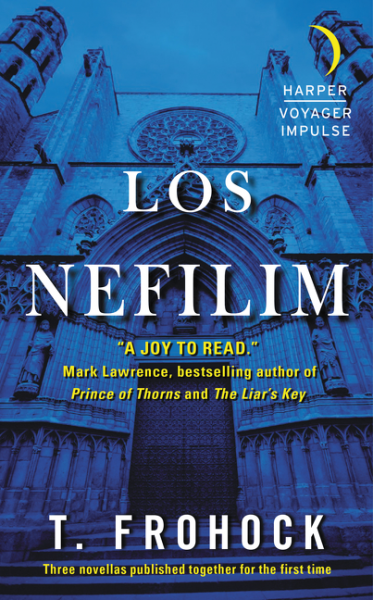
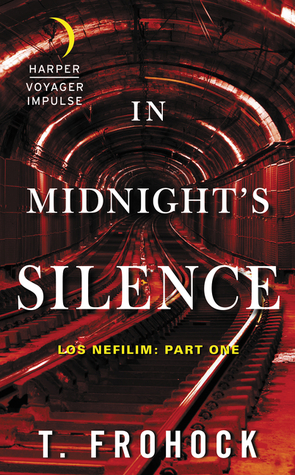
Let’s start off with the title of the book, Los Nefilim – the Nefilim are creatures born of angels or daimons, celestial beings. Frohock’s protagonist is unique (or rare, at the least) in that he is born of both angel and demon. So from the very start of the first novella, In Midnight’s Silence, Diago is a man torn in half. As we soon learn, his romantic relationship with Miquel is somewhat frowned upon by his celestial community. What sets the story in motion is when Miquel goes missing. Moloch, a powerful daimon, is set as the antagonist and twists the knife into Diago’s heart here at the outset, In Midnight’s Silence. Frohock wonderfully plays with the difficult themes of father and son (parent and child) as Diago emotionally navigates the challenges of what he owes Moloch and his love for his son Rafael and Miquel. Throughout the first of the novella triptych, Frohock lays the foundation for a perfectly realized relationship between Miquel and Diago. In fact, I would say few romantic relationships I have read have come across so natural and unforced, regardless of the sex of the two people involved in the relationship.
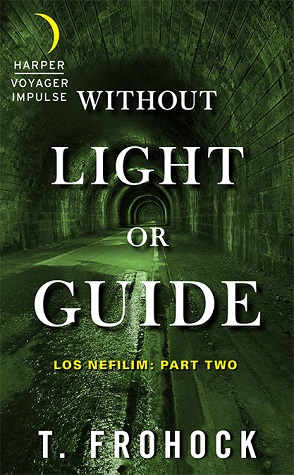
The second novella, Without Light or Guide, picks up only a few months later, but things Diago thought settled earlier come back to haunt him. His standing among the Nefilim is on even shakier ground as the mortals of his past become murder victims. With Diago as seemingly their only connection, he is left untrusted and in dire need of clearing his name.
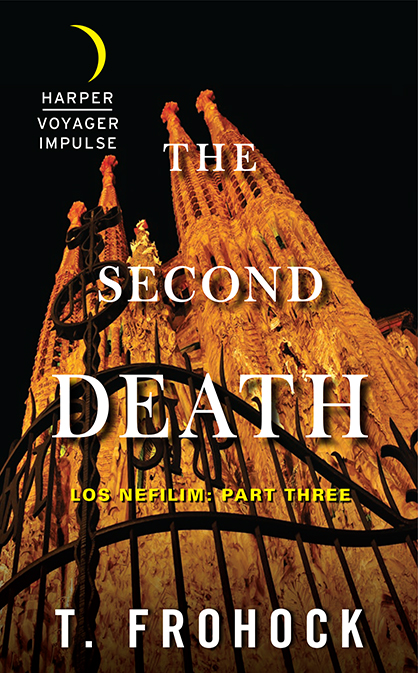
Rounding out this novella omnibus is The Second Death, which refers to the ultimate end of any Nefilim. With the stories taking place in 1930s Europe, the appearance of Nazis shouldn’t be a surprise and that’s just what happens in the final novella in the triptych. Diago’s place among the Nefilim is not quite as shaky as earlier in the triptych, but he is still trying to resolve who is with his growing family. Although Diago’s story comes to resolution here, Frohock has painted such a wonderful picture of these characters and their world that some open ends are there to be potentially continued with further stories.
There are many elements in these novellas (a storytelling form gaining quite a resurgence in this age of digital publishing) that have pleasing resonances. The setting itself gave off echoes of Carlos Ruiz Zafón’s masterpiece, The Shadow of the Wind. The demonic creatures and haunting beauty felt like something out of a Guillermo del Toro film. More recently, I was also reminded of Aliette de Bodard’s wonderful House of Shattered Wings and Daniel Jose Older’s Half-Resurrection Blues and even the Garth Ennis/Steve Dillon comic Preacher. But, Frohock’s linked novellas are more than the sum of those influences and are a showcase for her unique voice.
Initially published electronically as three novellas over the course of a few months from 2015 to 2016, the fine folks at Harper Collins reissued the three novellas together under one cover as a mass market paperback in April 2016. For my reading sensibilities, is an ideal way to read these stories.
I came to Frohock’s wonderful Miserere a couple of years late and was entranced by the tale told in that story. She carries the themes of faith and devotion from that novel forward here with a wonderful balance of personal stakes and worldly stakes centered on the emotional heart of a character who is both torn and committed. Where Frohock illustrated a love twisted into an abusive relationship in Miserere, the relationship here between Diago and Miquel is a powerful and emotional spine which supports this set stories.
T. Frohock has a beautiful, enchanting handle of prose which is balanced by her imaginative storytelling. Both of these powerful narrative characteristics are on full display here in Los Nefilim.
Recommended.
© 2016 Rob H. Bedford
Mass Market Paperback,
June 2016 464 Pages
http://www.tfrohock.com/los-nefilim/
Review copy courtesy of the author