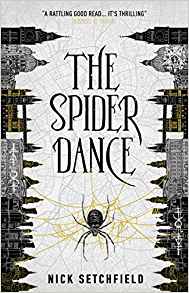
With The Spider Dance, Book 2 of Nick Setchfield’s occult-spy series just published, we’re very pleased to welcome him back to SFFWorld as part of his publicity tour.
This time Nick tells us of five inspirations that have led him to writing his latest novel (away from being a writer, editor and entertainment journalist in places such as the BBC, ITV and SFX Magazine.)
Over to you, Nick!
——————————
THE SAINT EPISODE THAT NEVER WAS
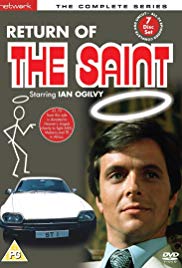 Sometimes inspiration is an act of vengeance. As a kid one of my favourite TV shows was Return of the Saint. Each week eternally unruffled adventurer Simon Templar would gad about the continent in his gleaming Jaguar XJ-S, foiling plots and throwing punches while maintaining a glam Martini commercial lifestyle. He made adult life look brilliant, frankly. The villains Templar took down were terrorists, mobsters, the occasional cunning psychopath – the kind of threats to life and limb found in the scarier headlines of the day. Only years later did I discover that the show nearly lurched into the realm of outright horror. A script titled Prince of Darkness by veteran TV writer Stephen Kandel would have seen the suave Mr Templar encountering vampires. Vampires! Leslie Charteris – the man who created the Saint – vetoed Kandel’s script for going too far. When I discovered this I felt retroactively cheated. Maybe the seed of The Spider Dance can be traced to this unmade episode. In a way I’m avenging ten year old me, who would have adored such a brilliant clash of genres – glossy international adventure mixed with the chill of the undead. Take that, Charteris.
THE DAY OF THE JACKAL

Frederick Forsyth’s tale of a plot to kill the French president always felt like the perfect paradigm of a thriller novel to me. My dad had the Corgi paperback and I would stare in awe at the cover image, a graphic representation of the book’s compellingly simple premise: Charles de Gaulle, framed in the cross-hairs of an assassin’s rifle. Forsyth’s genius lay in the way he generated chapter after chapter of knuckle-tightening tension even though everyone knew – spoiler! – de Gaulle didn’t die from the Jackal’s bullet. I was so intrigued and enamoured I ripped it off for a story I wrote in junior school, covering my tracks by switching the target from de Gaulle to his contemporary counterpart, Giscard d’Estaing (spoiler – he didn’t die either, and I still have to look up the spelling). I can see those glinting telescopic sights in The Spider Dance, too, though this time I’ve added rather more of a twist. One of the first ideas to excite me for book two was “The Day of the Jackal… with vampires”. Just how do you assassinate the undead? I’ll show you.
PETER CUSHING
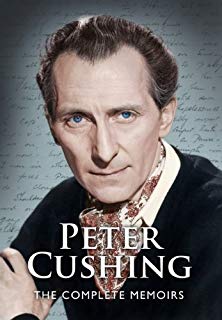 He’s always been one of my favourite actors. Just that lean, English elegance, that diamond-eyed intelligence, the way he could radiate ice or kindness, depending on whether he was on the side of Heaven or Hell. On screen Peter Cushing was an endlessly spinning coin, glittering between good and evil: Baron Frankenstein or Doctor Van Helsing, Sherlock Holmes or Grand Moff Tarkin. And he played every part with absolute sincerity, whatever the budget, however shonky the prop or preposterous the yarn. I never met him but I own a signed copy of his autobiography, and it’s one of my true treasures (the signature is as elegant as you might expect). I found a role for him in The Spider Dance. You’ll know him when you meet him. Is he on the side of good or evil? That coin keeps spinning…
EURO-SPY ADVENTURES
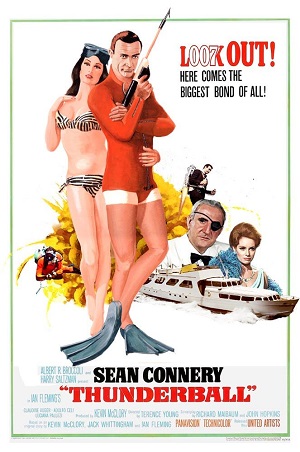
Spy movies cast a shadow over The Spider Dance, just as they did The War in the Dark. But where the first book was set in 1963, and had such touchstones as North By Northwest and From Russia With Love, this one moves the action to 1965, the age of the Euro-spy adventure: not just Thunderball but all those gloriously brazen Bond knock-offs made in France and Italy. The first book felt autumnal, a little wintry at the edges. This one’s filled with sun and heat, blue skies and red moons. It’s a summer book, with a touch of mid-‘60s jet-set glamour. There are sports cars and speedboats as well as vampires and demons and sudden, terrible death. Here’s a fun piece of trivia: I’ve always loved the strange blue twilight you always see in wonderful old shows like The Protectors. Only later did I realise it was a budgetary thing: it was cheaper to film night scenes by day, with a filter over the lens. This cost-cutting actually created a reality all its own. I’ve put a little of that strange blue twilight into The Spider Dance.
TWIGGY
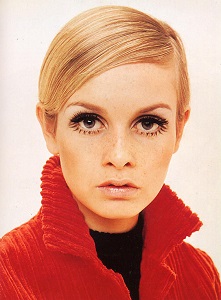
One of the defining faces of the 1960s and someone who’s always fascinated me. There was something revolutionary about her that captured and reflected the times. She looked like a living cartoon and her sheer youth and North London urchin cheek were like superpowers in a Britain where the old order was under siege from all sides. Libby Cracknell in The Spider Dance is very much Twiggy with a Webley and Scott pistol in her hand. She’s a new character, a young SIS field agent on her first big mission. 1960s spy films and TV shows were all about empowered heroines – Emma Peel, Modesty Blaise, The Girl From UNCLE – but the reality of the times was rather less empowering, especially in an institution as monolithic as the British intelligence service. I wanted to explore the clash between the fantasy and that high glass ceiling, how Libby could seize such an opportunity and the deal she might have to make. She’s cheeky and determined and she gets that from Twiggy – though I’m not sure Twiggy’s ever had to stake a vampire with the pointy end of a road sign.
An intriguing image there…. thanks, Nick!
Nick’s new novel, The Spider Dance, is published by Titan Books and is out now. His first novel, The War in the Dark, is also available.
Find out more about Nick Setchfield on his website: nicksetchfield.com