2010-2020: A Book List by KatG

I don’t know how to do a “Best” list for a year, much less for ten years. Mentally my mind just doesn’t organize stories that way, especially as I only managed to read a handful of the thousands of SFF novels published – more than ever before – in our most recent decade. So below is a list of ten SFF books published in 2010-2020 that I enjoyed and liked the writing and which had particular meaning or interest for me, as well as often an impact on the field itself. There are many more I could add, but these might be ones to check out.
- A Dance With Dragons by George R.R. Martin (2011)
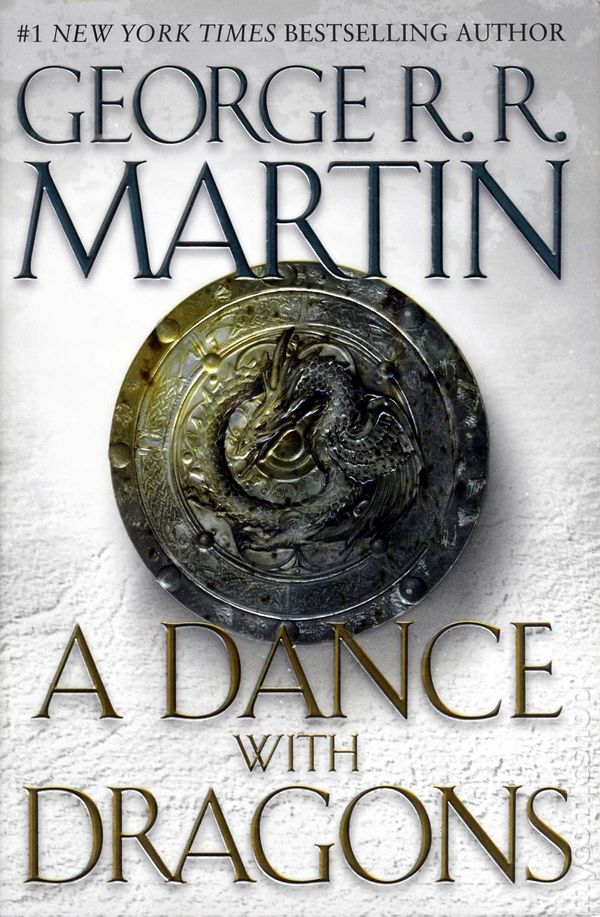
After years of conversations about how authors don’t owe people books, that yelling at authors to write faster doesn’t work and no, Martin hasn’t given up yet on writing his series, it was a bit of relief for me when the most anticipated fantasy work in the field finally showed up. (For about two minutes before the conversations about the next one began.) The fifth book in the epic Song of Ice and Fire series isn’t my favorite and certainly its problems in pacing and other factors can be discussed by fans. But what Dragons did deliver that was interesting for me, in addition to many mysteries of the series finally explained, was a sweeping view of the wider politics and cultures of Martin’s alternate world. Westeros was finally not an odd continent but fit into a big, ambitious history and geography that had only been parcelled out in bits before. Coupling that with Martin’s dissection of how war runs as much on negotiations and illness as it does on fighting in possibly the biggest siege ever described in fiction, it’s fair to say that Martin did deliver much of what readers have come to love of one of the biggest series around and has us crossing our fingers that some day we’ll get one more installment of the saga.
- Ancillary Justice by Ann Leckie (2013)
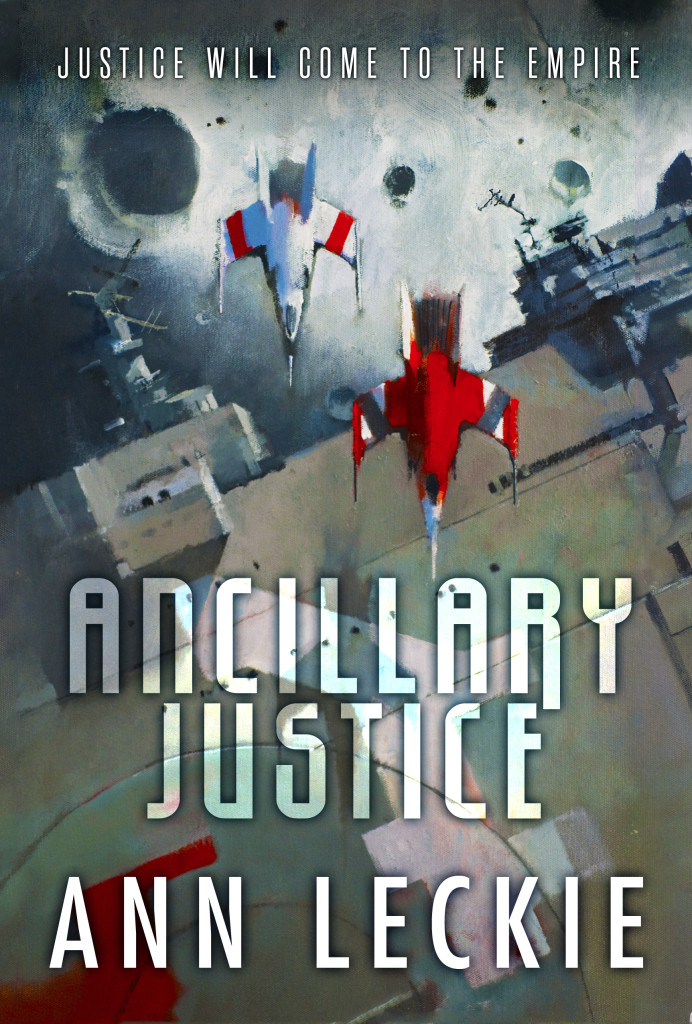
Another novel that hit like an asteroid in the field this decade was Leckie’s debut science fiction novel, the first in the Imperial Radch trilogy. Combining a far flung space opera with a Count of Monte Cristo style revenge thriller, Ancillary Justice follows a former military A.I. contained in its last organic body ancillary after its main spaceship body and crew exploded in a terrorist act. Unravelling the murky conspiracies in a space empire that involves split consciousnesses, honor rituals, mind possession slavery and a possible alien invasion is quite a job for any main character. But what I found most interesting about Ancillary Justice is that its A.I. protagonist, unlike a lot of A.I. characters, neither wants to destroy humanity nor imitate it – but may have to put up with some of both. Leckie makes nods to classic SF authors like LeGuin, Clarke and Bradbury, but her style is distinctly her own and her story keeps readers ever unsure of what exactly they know. It’s a high wire act I greatly enjoyed.
- The Fifth Season by N.K. Jemisin (2015)

The first book in Jemisin’s Broken Earth trilogy is famous for being the start of a hat trick of Hugo Award wins for Best Novel, as well as nominations for other major awards, but it’s an impressive novel all on its own. Jemisin takes the idea of apocalypse beyond its usual limits, creating a fantasy world that regularly has different geological and environmental cataclysms and whose human cultures and flora and fauna have tried to adapt to and survive these regular upheavals. Some humans have violent powers tapped into the planet, crystal satellites of unknown purpose float in the sky and a species of rock creatures are re-emerging as the next fifth season catastrophe seems to be approaching. Jemisin balances a tricky structure with science fiction elements, no holds barred action and painful tragedy. It’s a book that makes you go back and think about parts of it again and truly did resonate with me, as it did with many, in our age of climate change and upheaval.
- Blackbirds by Chuck Wendig (2012)
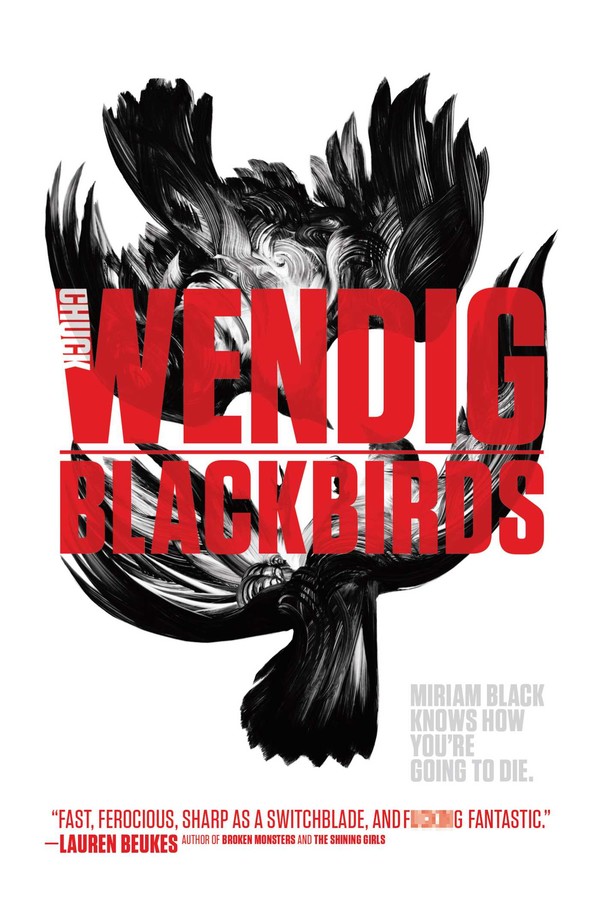
There are a lot of good contemporary fantasy series out there, but for me, Wendig’s Miriam Black series hit a sweet spot and the first one, Blackbirds, was the most engaging. After a tragedy she’s mostly buried in her mind, Miriam finds herself burdened with the ability to see how and when people die when she touches their skin. She gives up trying to save them as they die anyway. Instead she hides and wanders, finding people she sees are about to die and stealing from their belongings right afterwards. But then she gets a vision she can’t accept and she tries to figure out a way to thwart the limitations of her power and the entity that seems to have given it to her. Miriam is mouthy, angry and desperate and serves as the power engine to a cast of quirky, noir characters who I greatly enjoyed. It showcases what has become Wendig’s trademark style of sneaking poignant moments of loss and hope into bizarre thriller situations and this novel/series is what broke him out in the field.
- Blackout by Mira Grant (2012)
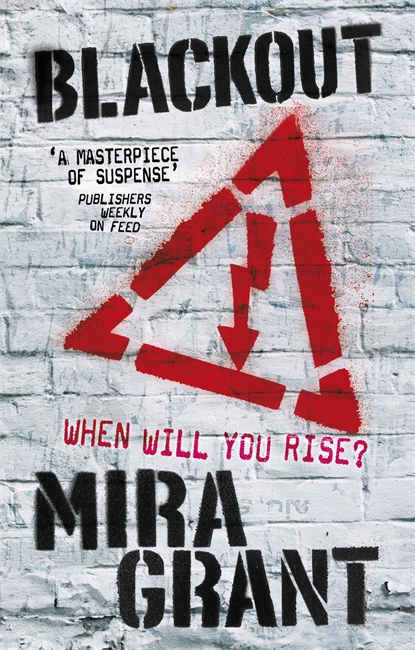
Bestselling author Seanan McGuire writes under several pennames and Mira Grant is what she uses for her science fiction novels. Blackout is actually the third and concluding novel in Grant’s bestselling Newsflesh trilogy. That trilogy, about a post-zombie virus apocalypse in which all technology and civilization did not disappear, has been on my mind every time I use hand sanitizer during the pandemic. It tackles both our issues in healthcare and how the Internet, tech and journalism might adapt to a world shared with rampant disease and zombie hordes. The reason I chose Blackout is not only because it was the one published in the last decade but because for me it offered the fullest exploration of the ideas and themes of the series with a great deal of rather scary resonance for what we face these days. Plus it’s a cracking action-packed spy conspiracy thriller. But check out the whole trilogy for a truly intriguing take on both zombies and human behavior.
- Half-Resurrection Blues by Daniel Jose‘ Older (2015)
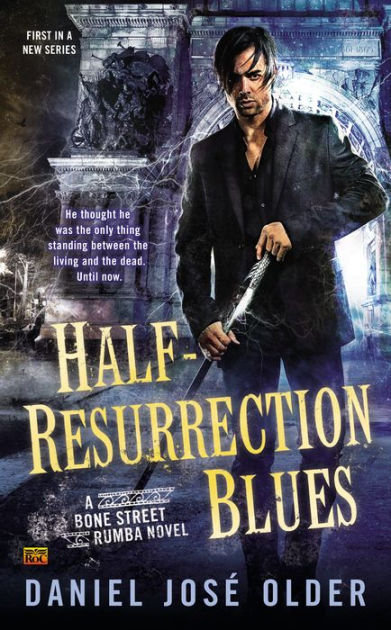
Older’s debut contemporary fantasy novel, the first in his Bone Street Rumba trilogy, struck a chord with me for its ramble around the streets of Brooklyn, where I used to live, from a true native’s perspective. It’s a smooth blend of rumpled police procedural mystery with a bigger ghost war novel, featuring one of the odder folklore creatures you’re likely to meet. The protagonist, Carlos, is an in-betweener, half living and half dead, with no clear memory of his previous life. He works as an investigator and enforcer for the ghostly Council of the Dead, in charge of regulating and hiding the co-habitation between ghosts and the living. When a mission goes badly wrong, he has to unravel a conspiracy before things become worse, leading to clues about who he used to be and a collision course between the living, the sort of living and the dead. Older excels at creating a wide range of fun Brooklynites with their own quirks, past and present, as well as playing with a lot of neat ideas about love, ghosts and fantastic creatures.
- The Red: First Light by Linda Nagata (2013)

Nagata’s award nominated military science fiction novel is set in a tumultuous near future, about a Lieutenant who seems to have a sixth sense about keeping himself and his squad safe in the field. But when his luck temporarily runs out, that sixth sense starts to look like mysterious outside help through his neural net. With a new high tech team, he’s both seeking to identify and understand the entity that has been his guardian angel and follow the high stakes mission it seems to want to send him on. Nagata’s takes on battle and espionage are action-packed, heavily detailed and refreshingly free of romanticism. Her ideas are rooted in our own current situations and use of tech and extrapolates how those might develop not too far from now. I’m very picky about my military SF and The Red trilogy hit the mark for me.
- Jade City by Fonda Lee (2017)
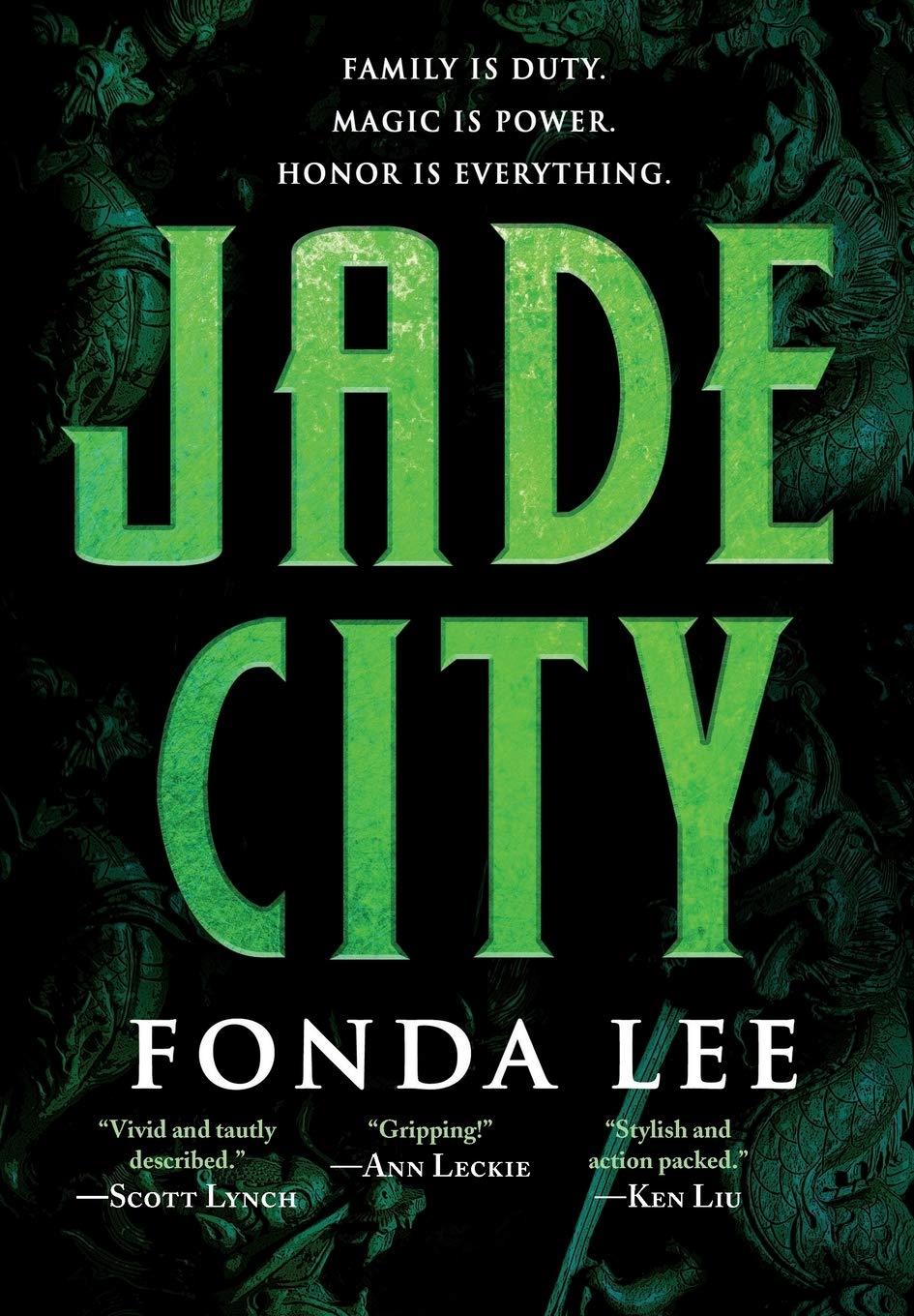
Another debut novel starting a series that won the World Fantasy Award, Jade City takes place in an alternate world akin to Earth’s post-World War II period. An Asiatic island nation is finding its old ways clashing with the modern world stage after it lent its magic in the great war. Mobster clans co-rule with the country’s government by training in the use of their jade stone which gives them enhanced abilities – and also a danger of going mad. New developments and new pressures from larger countries eyeing their jade incites a clan war that threatens to fracture the country apart and change the planet. I’m not really a big fan of mobster stories in general, but Lee’s complicated crime family and story on how small battles can create mass change was really interesting. It’s got a lot of nicely stylized, noir-flavored fight scenes and well-done side characters worthy of spin-offs.
- Persona by Genevieve Valentine (2015)

In a similar vein of small fish meeting a big pond, the highly acclaimed, always twisty Valentine (who also wrote for the Catwoman comic) imagines a near future where high tech cameras constantly spy and the U.N. ambassadors, now called “Faces,” have to operate as celebrity symbols akin to our modern day royals. The protagonist is the ambassador from a tiny, newly formed rainforest republic in South America, vying for media attention and resource deals against and with the big powers. When she’s the target of an unexpected assassination attempt, she has to team up with a black market paparazzi with secrets of his own and who she cannot allow to unravel hers. The science fiction story is a fast-paced political thriller with all too plausible scenarios about the intersection of celebrity, media tech and politics. I really liked the characters in this one and its sequel, Icon, and parts of the novel still resonate with me about our current events.
- Terminal Alliance by Jim C. Hines (2017)

I’ve been a fan of Hines since his early novel Goblin Quest for his ability to mix comedy/satire with high action and genuine warmth. Terminal Alliance is his first foray into science fiction and it’s now one of my favorites. In the comic space opera, Hines posits the not so comic future of Earth – humans are flattened by a raving zombie virus that changes their physiology. A small percentage of them have been vaccinated and rehabilitated by an alien race and now serve as the fiercest fighters in the galaxy. On one ship, however, a bioweapon attack kills the alien officers and reverts most of the human crew to their feral state. Only the janitorial squad still has their wits and hygiene skills and their attempts to save their cannibalistic crew, operate their ship and figure out who is out to get them has bigger implications for humans and alien species alike. This is the first in a trilogy and in it Hines proves to be as adept at space battles and inventive cleaning supply weapons as he has been with giant spiders and vampires. But what I always like with his books are the characters. If you are a fan of Douglas Adams or Becky Chambers, you might like this one too.
KatG has been a lead forum moderator and site contributor since 2005.