 I find these days that Autumn (which I love as a season) tends to make me yearn to read what is quaintly referred to as ‘Folk Horror’ – rural setting, beautiful environment, ancient folklore and historic rituals. With such matters in mind, it therefore seems appropriate in October to pick up another in this enjoyable series about a female Deliverance Consultant for the Diocese of Hereford in the rural village of Ledwardine and her dealings with the paranormal.
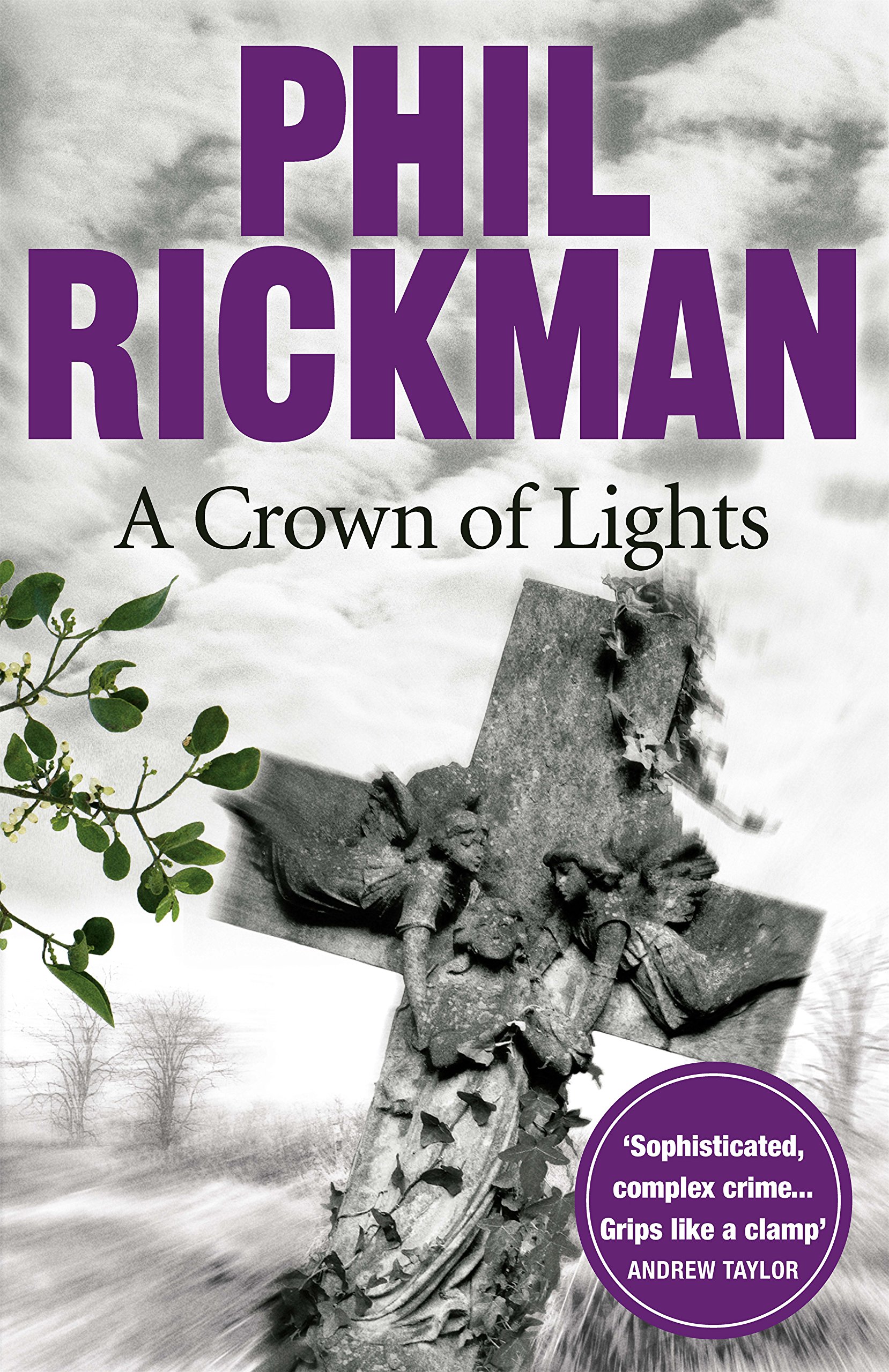
Book One, (The Wine of Angels (1998)) was reviewed here and Book Two (Midwinter of the Spirit (1999)) was reviewed here. This third novel deals with the consequences of the juxtaposition of old and new religion, the importance of traditional faiths in an increasingly secular society and helps Merrily further define her role in the community.
From the publisher: “A disused church near a Welsh border hamlet has already been sold off by the Church when it’s discovered that the new owners are ‘pagans’ who intend to use the building for their own rituals. Rev. Merrily Watkins, the diocesan exorcist, is called in, unaware of a threat from the deranged man.”
What works here is that the book doesn’t force religion down your throat. It considers all views and whilst we know where Merrily’s views are, the book is not an attempt to belittle others or put forth a particular perspective. Although at one level this book is about a dichotomy between Christianity and Paganism, for me it is more about how some can misuse such beliefs. And there are abusers on both sides.
The ongoing discussion between single-mother Merrily (a Christian who came to the faith late in life) and her teenage daughter Jane (who is questioning her mother’s Christian ideas and is looking at Paganism as ‘a good idea’) is a clever way of examining all aspects of faith. The New Age values, connecting the landscape to religious principles, seem right at home in a landscape where the setting is as important as the characters. I can see why Jane is attracted by such things.
Unlike many would believe, the book shows the reader that there is room for all shades of religion in today’s society, and Merrily embraces such values. As someone who is not particularly religious, I enjoyed reading the sensible and reasoned views given on all worldviews here without finding them offensive.
It is clear though that the story is really about fanaticism, as there are many in the book who find other views different to their own offensive, and are prepared to take action to put forward their particular view as ‘right’. The main plot of the novel concerns the attempted use of a deconsecrated church for Pagan rituals. Newly arrived members of the community Robin and Betty Thorogood have bought the old church in nearby New Hindwell where they intend to live their lives painting (Robin is a book cover illustrator) and performing their Wiccan rituals. This has incensed a local evangelical minister, Nick Ellis, who sees such rituals as an affront to mainstream Christian religion and is determined that such practices be stamped out. Merrily is brought in to diffuse the situation, although it begins badly with a late-night television talk show where Merrily is drafted in to defend Christianity against Paganism, against passionate entrepreneur Ned Bain.
It doesn’t take long before seemingly disparate elements – a missing person, a local solicitor whose relationship with his recently deceased wife may be stranger than normal, a councillor’s wife who may be more than we realise – become connected, against an increasingly fractious background where opposing religious groups are set to violence against each other.
As ever, though, the book is about the characters as much as the setting. For those following the series (although the books are pretty much stand-alone so far) there is less of Lol and more Gomer this time around, helping Merrily and Jane in their investigations. Gomer is the local expert, knowledgeable in the area’s people and past history – a sort-of wizened Gandalf to Merrily’s relatively innocent Frodo – which helps Merrily, a relative newcomer to the area herself, make sense of what’s going on.
The book is also about developing our understanding of Merrily. We uncover more details of her relationship with her dead ex-husband, revelations which Jane is also privy to. Whilst it did get a little tiresome over the repeated point that Merrily is sexy but doesn’t know it, generally her character remains likeable and realistic, even relatable.
After a long build-up, the ending becomes a little rushed but ties things up well.
In summary, A Crown of Lights is another success, set in an appropriately rural environment and dealing with both contemporary issues and ancient folklore from Britain’s historical past. It’s a big book but one which I whistled through pretty quickly. Onto Book 4!
A Crown of Lights by Phil Rickman
Book 3 of the Merrily Watkins series
Published by Corvus, June 2011. First published 2001.
ISBN: 978-0857890115
576 pages
Review by Mark Yon