Just as Star Wars (or Star Trek for some) is widely considered the zenith of the science fiction film genre, many have come to consider The Lord of the Rings the pinnacle work of the whole of fantasy literature. For decades, critics, readers, and an evergrowing number of adoring fans have reviewed and raved about Professor J.R.R. Tolkien’s Lord of the Rings trilogy (which has also been published in a single volume).
Susan Jeffrey, a reporter for the Sunday Times in London, said back in 1997 that The Lord of the Rings had been voted the “greatest book” of the 20th century in a readers’ poll conducted in the UK. The Hobbit and The Lord of the Rings have both been adapted for the screen several times, the most renowned and beloved of which are Peter Jackson’s two feature film trilogies.
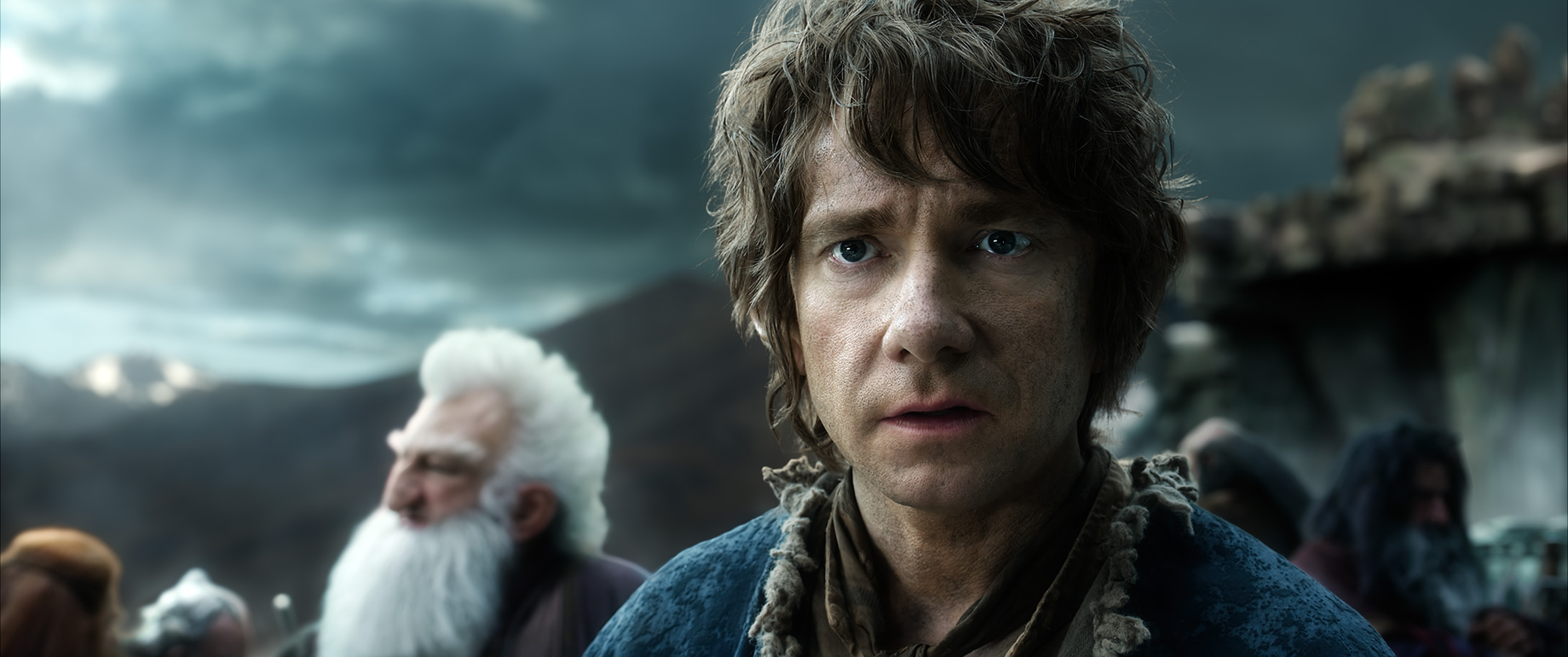
Jackson’s original trilogy won eleven academy awards and was even hailed by Richard Corliss (Time Magazine) as the “supreme film adventure of our time.” Tolkien’s novels and Jackson’s films have inspired an innumerable amount of fanmade publications, art, and fiction. Tolkien himself is making his way to the magical realm of cinema as a documentary film is currently being made about him. Below I will discuss the main elements of Tolkien’s work that caused it to be held in such high esteem.
1) Pipe Weed
The hobbits of the Shire are kind, simple folk at heart. They are notorious for a great many habits and mannerisms, one of which is enjoying a good smoke of “pipe weed,” as the halflings refer to it. Ironically, when The Lord of the Rings was printed in paperback editions in the US during the 1960’s, hippies and other young men and women on college campuses became huge fans of Tolkien’s work.

If you were to compare the hippies to hobbits you would find that the first group was known for smoking weed (marijuana) and the latter often smoked pipe weed. Also, hippies have a fascination with mushrooms (as some chemicals from certain fungi were used in LSD), and the hobbits were rather fond of mushrooms themselves.
2) Genre, Style, and Plot
Of course, this subheader topic should seem like a no-brainer. The actual genre to which the Middle-earth works belong is always under dispute, but it is some sort of fantasy. That is clear. It is worth mentioning that Tolkien’s expressive style, eye for detail, and depth of character are beautiful and moving. And this way in which he writes is a major contributor to the continuing success and popularity of his epic novels.
It does not matter how many books you write. Just look at Nora Roberts, for example. This author has had over 225 romance novels published! And guess what; they’re all garbage! Whenever I go to a garage sale or book sale being held at the local library I usually see several of her books for sale. People don’t want to keep them, and neither does the library apparently. Roberts can write, but not all authors can write well.
Quality should be considered more over quantity. Tolkien was perhaps too devoted to his job, being a professor, helping his pupils with their papers. As a result, his amount of published work is so small that even his good friend C.S. Lewis had more books out than he had. Tolkien and his works are still remembered because of how the Professor went about writing and not by the sheer amount of literature he produced.
3) Morality

Throughout his renowned trilogy as well as his other works, Tolkien’s words shine through with light and darkness, good and evil. Like all great and memorable sagas, the heroes and villains of Middle-earth are locked in a desperate war of good versus evil. The heroes, many of whom fight their own battles within themselves, express their thoughts through monologue and dialogue.
Sometimes Tolkien even discloses their inner unspoken thoughts. And in their noble thoughts and deeds, the heroes prove themselves to follow a basic and at times a deep responsibility to moral conduct. They believe that their cause is right, and they never lose courage or hope, even when their physical strength is waning.
4) Hints of Christianity
J.R.R. Tolkien was a devout practicing Catholic. His faith was a major part of his life which really needs to be explored in the documentary film if the screenwriters and director are worth their salt. Influences from his religion can be found plainly throughout his texts, though one of the most obvious moments in which this can be seen takes place in The Return of the King.

After quite a few chapters into the third installment of the saga, Tolkien describes to the reader the scene of Aragorn coming into the city of which he is the true king. Aragorn goes through the city laying his hands on the sick and injured, curing them! And people throughout the city cry that the king has come. This is similar to Jesus’s entrance into Jerusalem where people cry in the streets, “Hosanna to the son of David. Blessed is he who comes in the name of the Lord.”
Like Aragorn and even Gandalf, Frodo Baggins is another Christ figure since he carries all of the evil of Middle-earth up to a mountain to destroy it. (Christ carried the Cross with humanity’s sins up to a mount where He conquered sin, saving humanity.) Thus, Catholics and many Christians have pointed out these and other similarities. The fact that the heroes practice Christian virtues has also added to Tolkien’s popularity among various sects of Christianity.