

Randy M.
For SFFWorld I’ve largely reviewed horror or horror adjacent titles. According to GoodReads, horror as a genre – or anyway a publishing category –has been revivified by a large readership this year after two and a half decades of dormancy: For instance, TOR.com has reported that both TOR and Simon & Schuster have plans to start horror imprints. Apparently, one approach to surviving a pandemic is immersing yourself in someone else’s dread and terror. It’s comforting to know I’m not alone.
Still, the general consensus that horror had once died ignored how such stories crept into other publishing categories, like mystery/crime, thriller, fantasy, science fiction and even mainstream, which strongly suggests that one reader’s tastes cannot adequately encompass the breadth of the genre in any given decade. So, what follows are the favorites of a frequent reader.
By my count I read forty-four books published during the last decade that range along the emotional spectrum of horror. Even with so small a sample, winnowing down isn’t easy, so I started by eliminating works without an element of the supernatural or paranormal, or that do not commit to either. And then I made two exceptions. Of course I did.

Anyway, because I’m fond of short stories, let’s start with, A Book of Horrors ed. by Stephen Jones – a fine accumulation featuring good new stories by Stephen King, Brian Hodge, Lisa Tuttle, and John Ajvide Lindqvist, among others, and including a standout novella by Elizabeth Hand, “Near Zennor.”

Holiday by M. (Mary) Rickert – probably better described as a dark fantasy story collection (with a bit of s.f.). From the first story on, Rickert summons the sadness and anxiety in those experiences we stumble through, not knowing how to react and without any guide. Her stories unfold in shades of melancholy and my favorite was the heart-breaking, “Was She Wicked? Was She Good?”
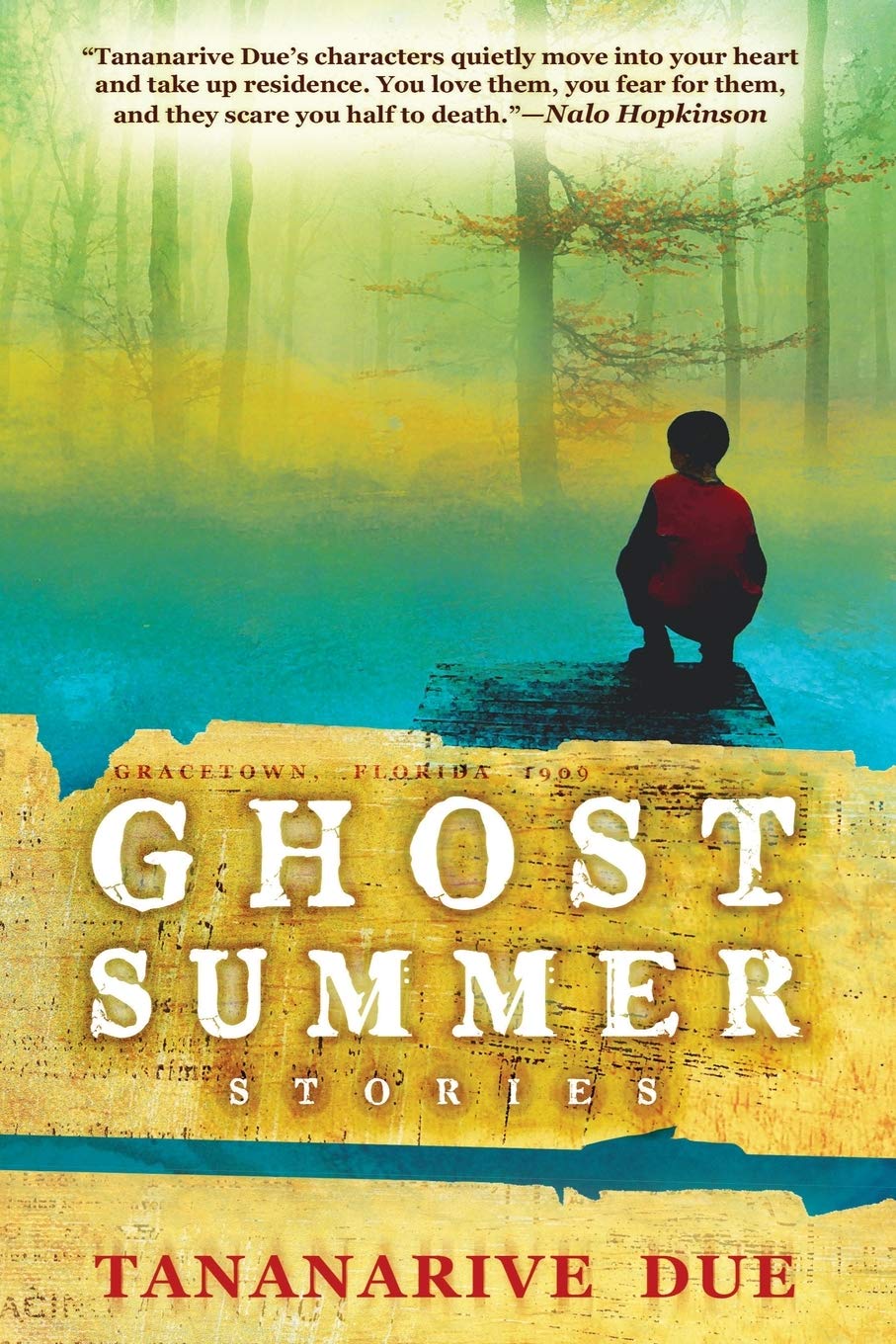
Ghost Summer by Tananarive Due – a mixed genre collection (s.f., fantasy, horror), most of it dark, the title story alone is worth the price of admission as Due follows a boy reaching for his last chance to see a ghost.
To stress how inadequate this is as a fair sampling, I own single-author story collections from the twenty-teens composed all or in part of dark fiction by writers like Kij Johnson, Adam Nevill, Elizabeth Bear, Sarah Monette, Robert Sherman, Halli Villagas, Steve Rasnic Tem, Paul Tremblay, Dan Chaon, Kim Newman, Caitlin R. Kiernan, Jeffrey Ford, Laird Barron, John Langan, and Glen Hirshberg, among others. and anthologies from editors like Jones, Ellen Datlow, Paula Guran, Jonathan Oliver, and S. T. Joshi, among others. I hope to read these before the next decade ends. Uh huh.
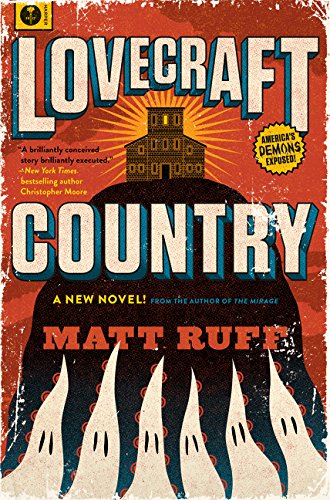
It’s not like H. P. Lovecraft wasn’t inspiring fiction before 2010, but in the last decade the number of novels seem to have burgeoned. Among those I’ve read, the most compelling were, Lovecraft Country by Matt Ruff – not hard-core mythos, still Ruff merges Lovecraftian invention with Jim Crow, reflecting Lovecraft’s own views and somehow making the mixture palatable as fiction and even as something of an education in the lurking fear of racism. The recent TV adaptation, with a strong cast and writing, makes changes but is also good.

House of Windows and The Fisherman by John Langan – two novels, the distillation of weird, proposing other Lovecraftian worlds or dimensions that rub up against ours and sometimes the fabric between thins and we see through, and those characters who do are changed utterly. The latter has been much talked about, and rightly so, but the former – published in November 2009, so I’m cheating a little – is underappreciated.
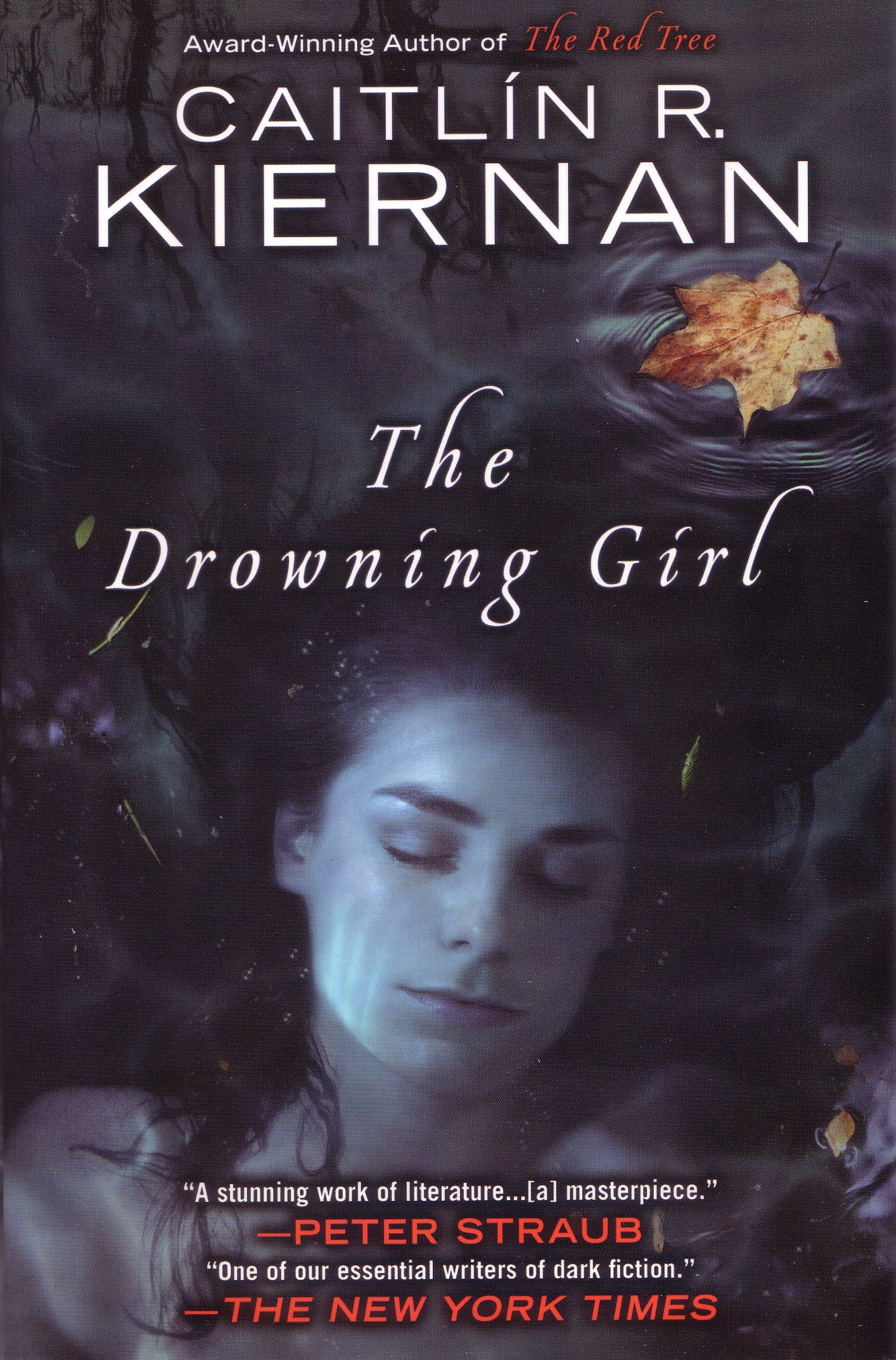
The Drowning Girl by Caitlin R. Kiernan – this is the first exception mentioned above. Kiernan often works territory similar to Langan’s and is one of the most consistently interesting dark fantasists I’ve had the pleasure of reading. But in this novel, she takes a deep dive into a young woman’s troubled mind, though whether the issues are all in her mind is debatable; it’s a tightrope walk use of the unreliable narrator. It also reads like a mirror image of her previous novel, The Red Tree (2009).

Mexican Gothic by Silvia Moreno-Garcia – an easy to read but complexly layered haunted house novel set in the 1950s, melding fairy tales with Weird Tales and the late, continuing consequences from Europeans colonialism in Latin America.
Not all weird fiction is entirely Lovecraftian. Of those I’ve read, the standouts included:
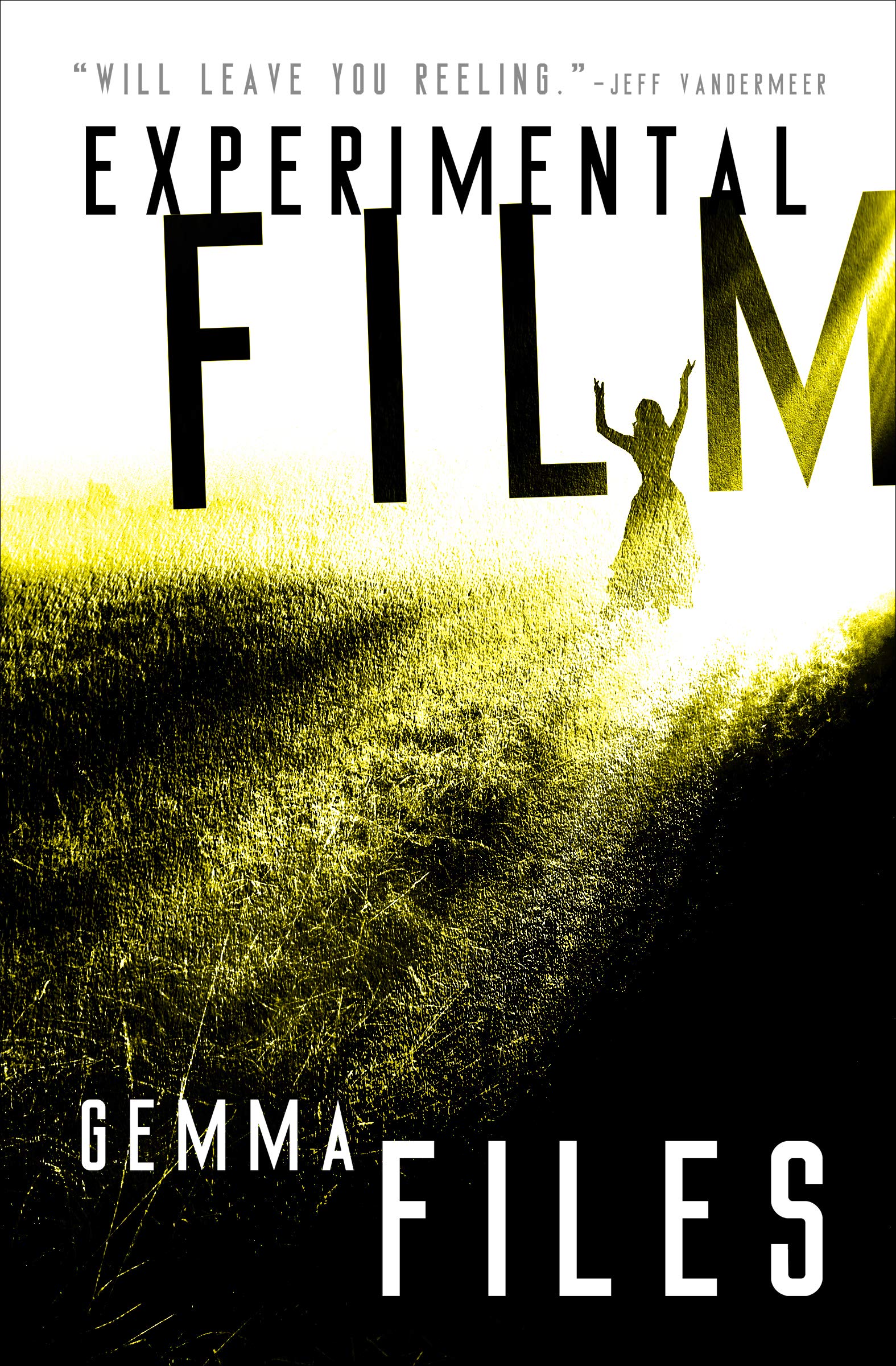
Experimental Film by Gemma Files – a beautifully nuanced story of a mother’s struggle with insecurity in raising her autistic son and remaining true to her own calling, all while dealing with a mythic creature’s attempt to enter our world. While it seems as though these elements should clash, Files shows one building off the other.

The Ritual by Adam Nevill – a cautionary tale about the dangers of back-packing. Seriously, a throwback to and an update of the kind of tales told by Algernon Blackwood or Arthur Machen, and as suspenseful as any folk horror you’re likely to read. I haven’t seen the TV adaptation of this.

Very good, if rather more traditional horror novels also appeared, including, NOS4A2 by Joe Hill – Charlie Manx is one of the most vicious and self-justifying monsters you will come across, and Vic McQueen a properly self-doubting heroine. This reads like vintage Stephen King, Hill being King’s son, but feels a bit more controlled and directed. The TV adaptation is well-cast and watchable but may be trying to stretch the premise too far.

A Head Full of Ghosts by Paul Tremblay – this is the second exception mentioned above. Marjorie is possessed – or not – her parents overwhelmed by her condition, her younger sister, Merry, traumatized by her sister’s behavior but loyal and loving all the same. Tremblay directly scrutinizes religion and reality TV while wrestling with The Exorcist and incorporating echoes of Shirley Jackson’s work. This and Kiernan’s The Drowning Girl are the two books I’d most hope anyone walking away from this article would seek out.
The titles above barely dent the list of horror novels published in the last decade. I have yet to read critically acclaimed works like, The Passage (2010) by Justin Cronin, The Night Strangers by Chris Bohjalian (2011), The Last Werewolf by Glen Duncan (2011), American Elsewhere by Robert Jackson Bennett (2013), The Loney by Andrew Michael Hurley (2014), Bird Box by Josh Malerman (2014), Alice by Christina Henry (2015), Meddling Kids by Edgar Cantero (2017) or The Hunger by Alma Katsu (2018), among many others, some of which were on or flirted with being on best-seller lists and all of which suggest interest in ghost and horror stories has been building for some time.

Lastly, I’d like to express thanks to publishers who resurrected works which had disappeared, some for decades: Pegasus Books for reissuing The Werewolf of Paris by Guy Endore, a 1930s novel last in print in the 1990s; NYRB Publishing for The Rim of Morning by William Sloane which contains seminal s.f. novels from the 1930s, The Edge of Running Water and To Walk the Night, last in print in the U.S. in 1980; Centipede Press for Where the Summer Ends by Karl Edward Wagner, essentially a reissue of his 1983 paperback original collection, In a Lonely Place, with two additional stories and other material; Penguin, working with Guillermo del Toro, for Haunted Castles by Ray Russell, a collection from 1985 of Gothic stories mostly written in the 1960s; and Valancourt Books for Lisa Tuttle’s A Nest of Nightmares, the first U.S. publication of a story collection originally published in England in 1986, and long overdue. That last stems from Valancourt Books working with Grady Hendrix and Will Errickson to reissue worthy titles entertainingly discussed in their survey of 1970s to early 1990s horror, Paperbacks from Hell.
Randy has worked over 40 years at a university library. He’s married and he and his wife have a daughter and a grand-son. In a precarious attempt to stay sane, he reads, writes reviews to entertain himself and then inflicts the reviews on the readers of SFFWorld. He is not sorry.



Good list, Randy. I’ll be checking a coupe of those out!
Thanks, Ropie. I hope you enjoy them.