
When one reads between 70 and 90 books any given year (totaling over 750 books this past decade), with about half of those books on an annual basis being current year releases, and reviews (over 350 reviews) many of those “current year” releases over the course of a decade, it is very difficult to distill a list of top books down to 10 books or even 20.

As such, I have failed in the endeavor I’ve charged my colleagues here at SFFWorld with undertaking, for I was unable to whittle my favorite/best/most important books of the decade that was 2011 to 2020 down to just 10 books. The list below is a little closer to 20 books…or rather 20 entries, plus a group of almost made its and a call out to authors who emerged this past decade and landed on my always buy list. I’ve attempted to include at least one book from each year of the decade and obviously since I exceeded 10 entries, some years have more than one book to represent the given year.
Without further adieu … here are my top / favorite / best / most important Science Fiction, Fantasy, and Horror reads from the past decade, 2011 to 2020.
Leviathan Wakes (The Expanse #1) by James S.A. Corey (2011)
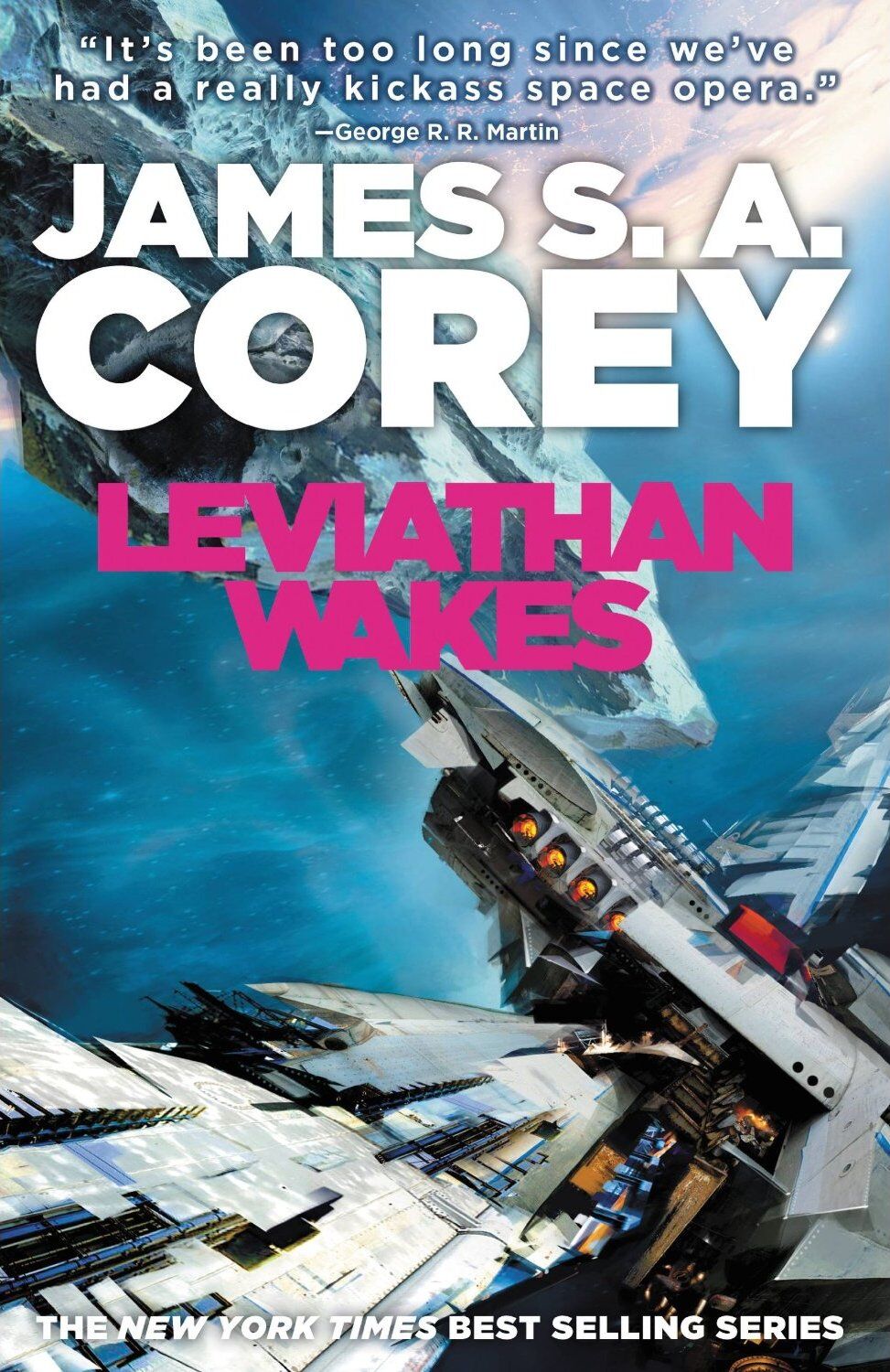
This book is on my list for historical reasons just as much as it is for quality reasons. There’s no doubt that the book is very entertaining (even if other books in the series are better), but in a genre where Fantasy blockbuster sagas are more prevalent than Science Fiction, the duo of Daniel Abraham and Ty Franck launched a bold series that sees humanity having colonized the solar system with class conflicts between the planets being the norm when “something” arrives to further upset the balance. The books are the basis for a popular and extremely well received television show. But it all started with Leviathan Wakes. Some snippets from my review (which carried a “Highly Recommended” tag):
“Leviathan Wakes is one of the best opening volumes to an SF series in recent memory, one of the most entertaining novels I’ve read in 2011 and a novel that only has me hungry for more in the series. This is a Space Opera I want to see more of on the shelves.”
The Troupe by Robert Jackson Bennett (2012)
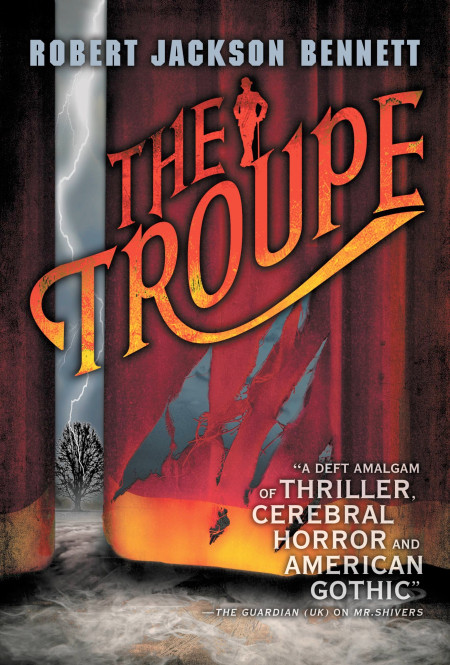
Robert Jackson Bennett is one of the most talented and skilled writers to emerge in the Speculative Fiction genre over the last decade. He’s played on the fringes of the genre and his third novel, The Troupe, was the first one I read from him and it is still a highwater mark in the decade for me. From my review:
Circuses, carnivals and traveling entertainers have been popular elements of fantastic fiction going back to Charles Finney’s Circus of Dr. Lao to Ray Bradbury’s Something Wicked This Way Comes. Placing Bennett’s The Troupe alongside those iconic novels of dark fantasy is an easy thing to do for many reasons. The Troupe was my first Robert Jackson Bennett novel and it most certainly will not be my last.
Vicious by V.E. Schwab (2013)
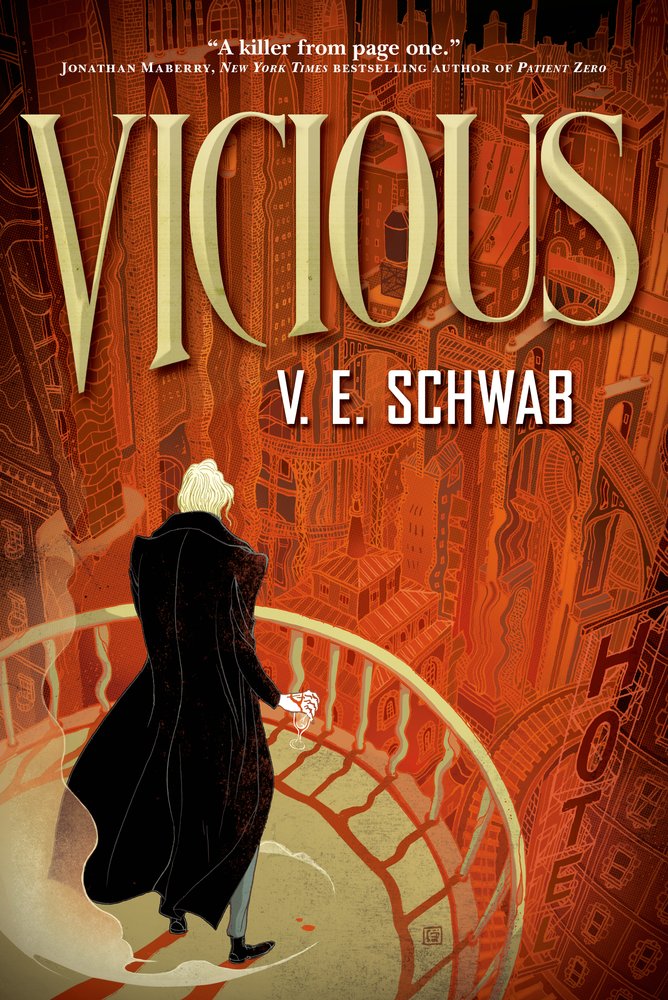
Two science students at Lockland University, roommates, become close friends. They share a thirst for knowledge and a competitive drive. When the time comes for them to work on their thesis, the two friends find they are working on similar themes. When their research overlaps, the two decide to work together only to have a tragic fallout once the experiment works on one of them and not quite as well on the other…. No character is completely the villain, nor can Victor or Eli be considered the hero, despite what either may otherwise think of themselves.
I’ve long been a reader of comic books, particularly those four-color stories featuring people in flashy costumes with great powers. In Vicious, Schwab was able to bring that same combination of modern mythmaking and over-the-top storytelling together into a superb novel.
NOS4A2 by Joe Hill (2013)
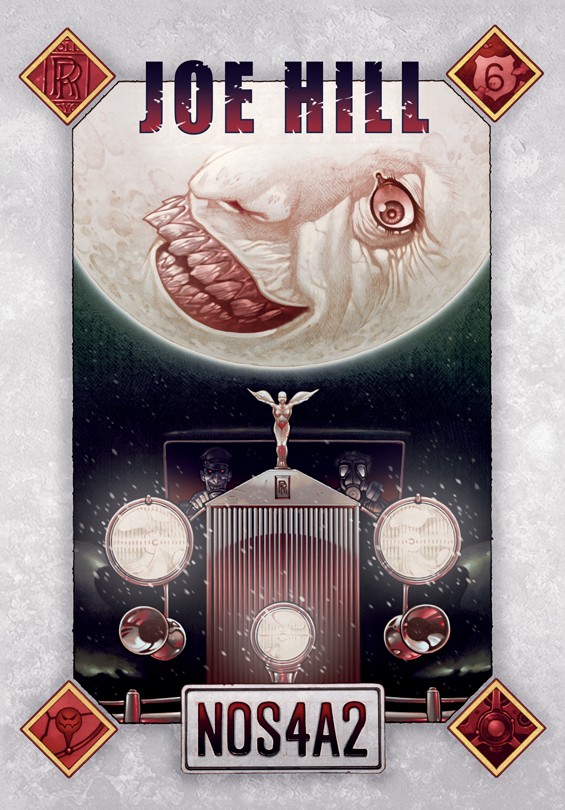
While this may not have been Joe Hill’s first novel, it was the one many see as his breakout/blockbuster and for my reading time, it is his best and one of my favorite Horror Novels ever, full stop. The show…the less said about it the better, but the novel is incredible, I’ve read it twice at this point, the second time narrated magnificently by Kate Mulgrew. Here’s what I said in my review:
In NOS4A2, Joe Hill whittles away the vampire to that ultimate aspect (drainer of life/souls) in the form of Charles Talent Manx, the villain of the piece. This is an epic novel more about survival, love and sacrifice. In short, it is a novel by a writer at the pinnacle of his talents.
NOS4A2 is a nearly perfect novel; at times it brought me to the brink of tears, put great big smiles on my face, creeped me out with the despicable acts of its villains, and brought me sorrow at the hardship and pain its characters experienced. Joe Hill has embraced everything that he is as a storyteller from his creative well and funneled into this epic novel that should make his old man proud and one that will stand on my shelves a singular literary achievement of wonder and power.
The Borden Dispatches by Cherie Priest (2014/2015)
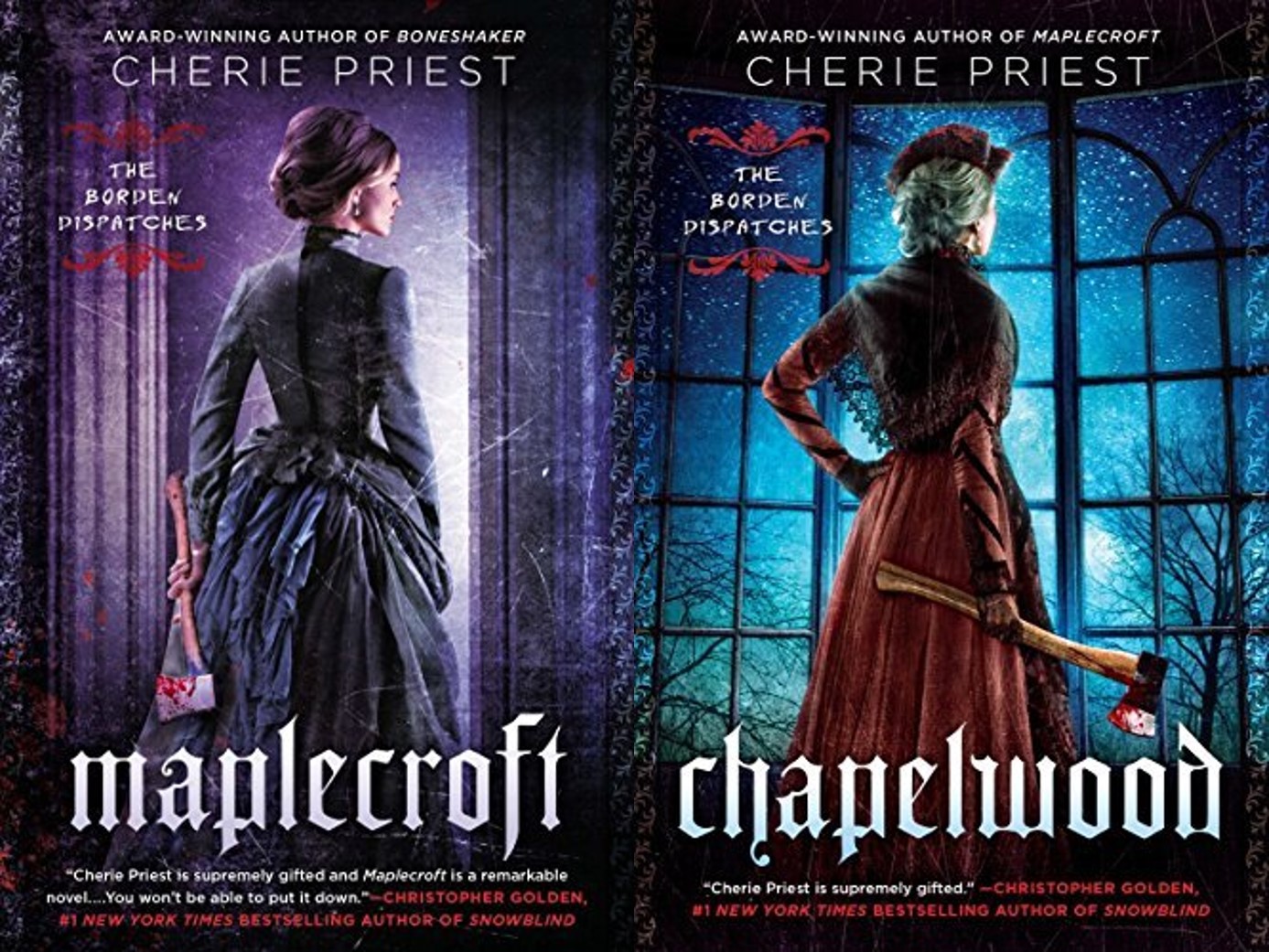
This one is a little bit of a cheat, I’ll grant you since The Borden Dispatches is two novels, but they mostly tell a complete story and I read them back to back. Plus, they are really damned good! I’ve since become a big fan of Cherie Priest, but these two books really took hold. Here’s some of what I said about them at the sadly closed SF Signal:
Lizzie Borden and her axe is as much of an American myth as she is an historical figure, but what if those forty whacks she took were in self-defense against creatures that bore a stronger resemblance to H.P. Lovecraft’s aquatic Cthulhu monstrosities than her father and step-mother? That idea serves as the launch pad for Cherie Priest’s darkly delicious “Borden Dispataches,” which is comprised of Maplecroft and Chapelwood. Priest magically mixes historical figures and events with the horror of Lovecraft’s Cthulhu mythos in an elegant concoction that seems so logical that it almost begs the question why hasn’t it been done before? Well, Priest’s storytelling skills and lyrical, completely convincing voice elevate these books to greatness.
The Borden Dispatches aren’t simply great horror tales (and they are at the top of the list of horror novels I’ve read in the past decade), but an examination of some less savory social structures. The primary protagonists are all women, with Lizzie/Lisbeth at *the* protagonist and in Maplecroft, her relationship with her lover Nance is central. Dr. Seabury, in his “diaries” expresses disapproval of such a relationship, but he is able to get past that and still help Lizzie. In Chapelwood, there’s a layered examination of the racism and gender bias of the day, Ruth’s marriage to a Puerto Rican man is not viewed kindly, and the aura of racism haunts Birmingham nearly as strongly as does the Lovecraftian monstrosities. Those two evils work quite well together under the roof of the Chapelwood Church… In the end, “The Borden Dispatches” are superb horror novels.
A Headful of Ghosts (2015) by Paul Tremblay

I came to this book a few years after it was published, my wife actually read it before I did! I’d known about the book and Paul Tremblay of course, but for reasons most bibliopholics will understand, I just didn’t get to it. But when I did? Very few novels, horror or otherwise, affected me as much as this novel did. A brilliant mediation on modern entertainment and media culture, at times terrifying, and told magnificently from a structural standpoint, A Headful of Ghosts is a masterpiece. My wife and I spent hours discussing the book and I’ve handed this book to several people to read. The novel essentially takes the idea of a young girl possessed by a demon, mixes in reality television, and blogger culture seamlessly. This is a book that opens more questions than closes answers.
Station Eleven by Emily St. John Mandel (2015)

When I took the headfirst plunge into audiobooks, Station Eleven was my first selection from audible and I was blown away. This book falls into the “soft apocalypse” category and Emily St. John Mandel brilliantly interweaves multiple story strands for a whole that is more potent than the sum of its part.
One of the most prevalent genre stories is the Post-Apocalyptic tale; our world transformed irrevocably by disease(s), war, nature, zombies, or threats from beyond the globe. One might even suggest that Post-Apocalypse stories are so popular and prevalent they’ve become its own genre , separate and existing along-side Science Fiction. … Station Eleven is a powerful, evocative, harrowing, haunting, and hopeful tale of the world decimated by flu, but with a very strong core of humanity which can still be mined. In the genre of Post-Apocalyptic Fiction, which is overflowing with trope-ridden stories and countless tales of outbreak, Station Eleven stands out as an incredible story, literature, and art. It stands out as a pinnacle of not just Post-Apocalyptic Fiction, but the modern novel.
We Sold Our Souls by Grady Hendrix (2017)
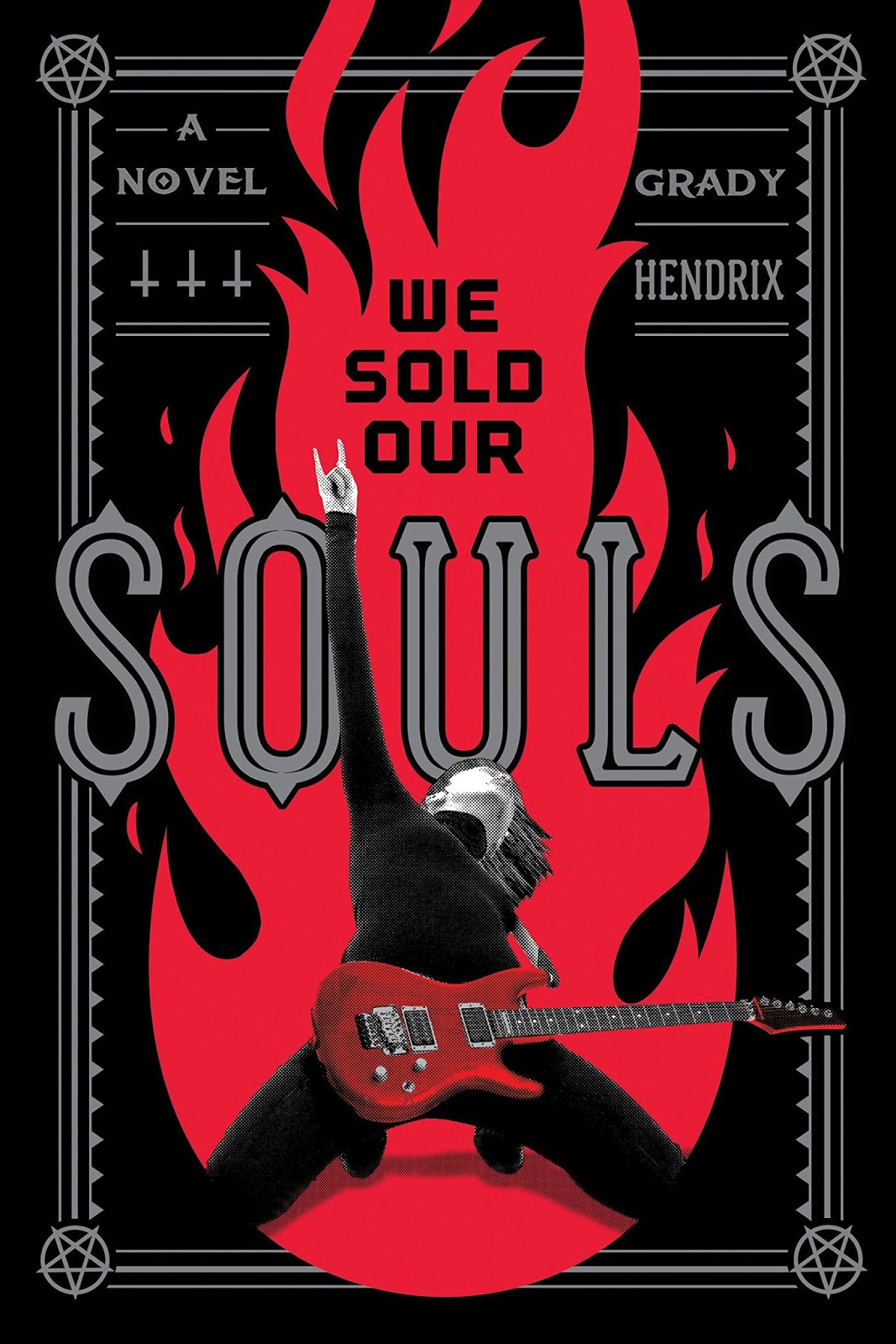
I needed to include Grady Hendrix on this list because he’s become my favorite horror writer to emerge over the last decade. His novels connect with me as strongly if not stronger than most writers I’ve read. I’ve enjoyed all three novels I read from him almost equally, but We Sold Our Souls gets the nod because I’m a life long fan of Heavy Metal Music.
In We Sold Our Souls Grady managed to combine two of my favorite things in the world with this novel: heavy metal music and horror fiction. To that combo, he added a phenomenal protagonist in Kris Pulaski, the lone woman in the band Dürt Würk and our primary P.O.V. character. Kris is at the bottom of her rope despite having a once moderately successful gig as the guitarist for 1980s Metal band Dürt Würk. That all changed when her one-time best friend and lead singer of Dürt Würk Terry Hunt broke away from the band on “Contract Night.” This was a night few can remember, but changed the fate of the band forever. Grady does a masterful job immersing the reader in the heavy metal world and playing with some dark elements like Black Iron Mountain, the driving force behind Terry’s new band Koffin.
Grady takes readers on a cross-country journey that never falters, never takes a guitar solo of a break and is a relentless novel. Highly, highly recommended. Grady is now on my must-buy-upon-release list of authors.
Assassin’s Fate (Fitz and the Fool Trilogy, #3 / Realm of the Elderlings #15) by Robin Hobb (2017)

This is the concluding volume to a trilogy, the trilogy itself part of larger saga so it isn’t exactly a standalone novel. FitzChivalry Farseer, bastard, assassin, Tom Badgerlock the Holder, Catalyst, Prince, and father. He has been all these things, he has died and been brought back to life. Father, and avenging father in particular is what drives him most in Assassin’s Fate, the finale to the Fitz and the Fool trilogy, and quite possibly* the final novel her overarching coda to all stories in The Realm of the Elderlings. Fitz is a character I’ve been following for nearly twenty years, so this novel holds much weight on multiple levels.
Assassin’s Fate may be one of the most apt and wonderfully crafted series finales I can remember reading. … Like the finale to Stephen King’s Dark Tower saga, I found myself fighting back tears reading through the end of the novel. … I’ll end this with a thank you to Robin Hobb: Thank you for gifting readers with such wonderfully wrought, believable characters and taking them on such an entrancing journey over the last two decades.
The Calculating Stars by Mary Robinette Kowal (2018)
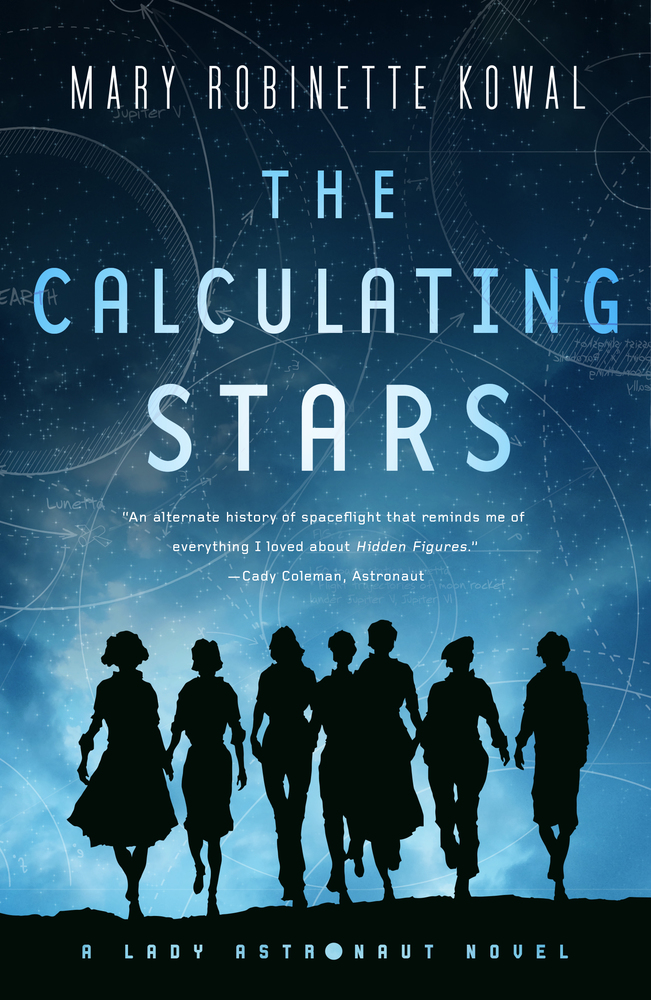
Mary Robinette Kowal has been churning out well received genre novels and stories for most of the decade, but The Calculating Stars (the first novel in her Lady Astronaut series which began life as a short story) is a leveling up.
In 1952, the space race is in its infancy and the world is changed, one may say shattered, when a meteor crashes into the ocean off the East Coast of the United States. Elma York and her husband Nathaniel are in the cabin in the Poconos in Pennsylvania when the meteor strikes. … I was completely absorbed and enthralled with Elma York, a character who immediately leapt to the uppermost reaches of favorite first-person narrators. She’s a hero, a person we can all look up to for the “faults” in her character and how forward-thinking she is. I almost think of her as Leslie Knope (from the great TV show Parks and Recreation) with Nathaniel as her Ben for their hopeful attitude as individuals and their complementary, supportive, and empowering relationship as husband and wife. Hell, if this wonderful novel ever makes it the screen, there’s your stars. … This is the type of Science Fiction we all need right now, such a wonderfully forward-thinking and smart novel told through the voice of an immediately classic protagonist.
Middlegame by Seanan McGuire (2019)
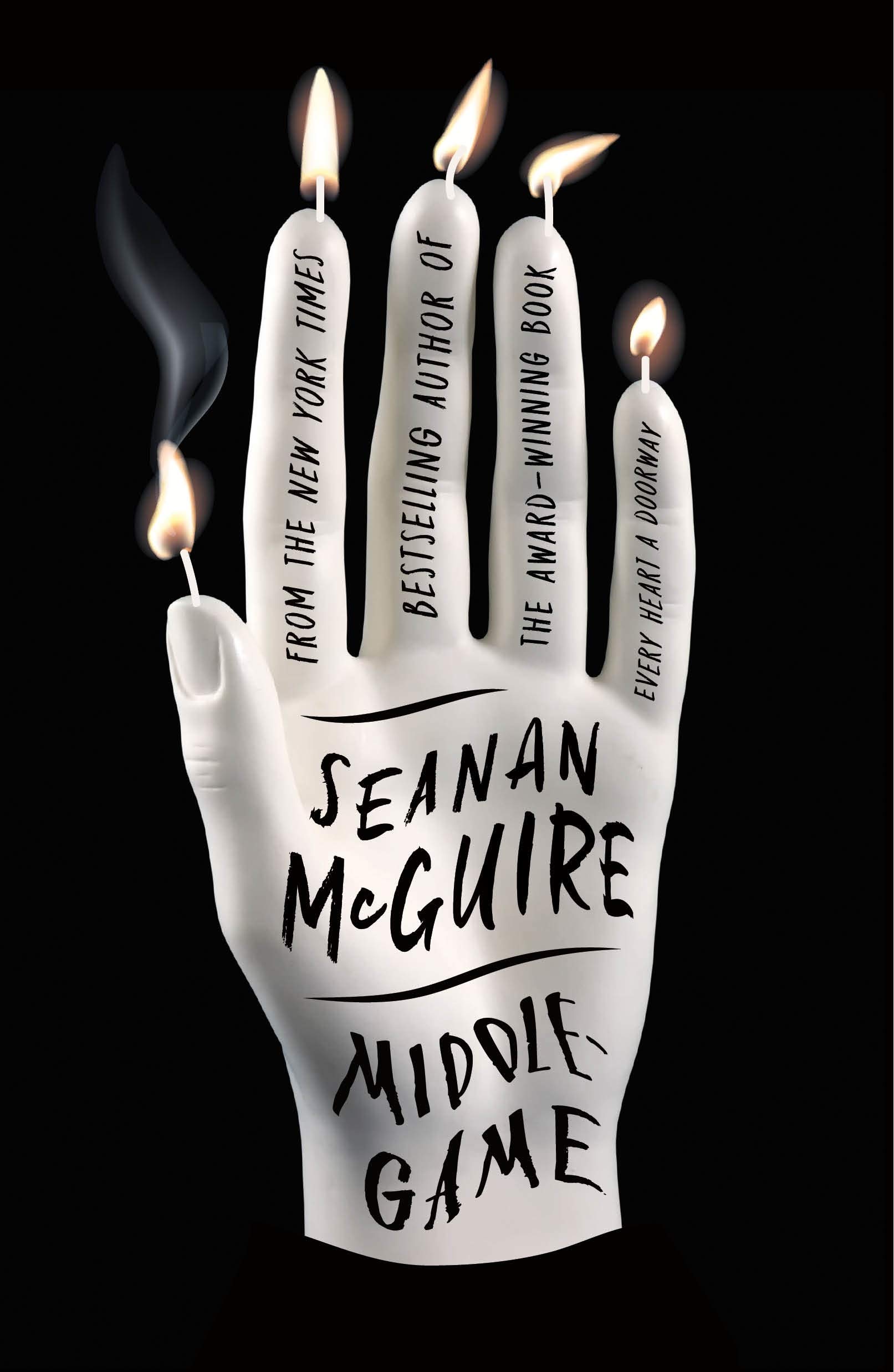
Seanan McGuire is one of the most prolific writers plying the trade of storytelling today. She’s received acclaim and adoration for her October Daye series, for her Newsflesh zombie saga written as Mira Grant, but Middlegame may be her best work to date. There are fantasy, science fiction, and horror elements throughout the novel which focuses on the relationship between twins Roger and Dodger. They are more than just twins, they have been created by a man named James Reed for specific purposes connected to the very nature of the universe. McGuire has extremely strong plotting skills, which drive much of the novel. This is one of those novels, for me, that demand a re-read.
Wanderers by Chuck Wendig (2019)
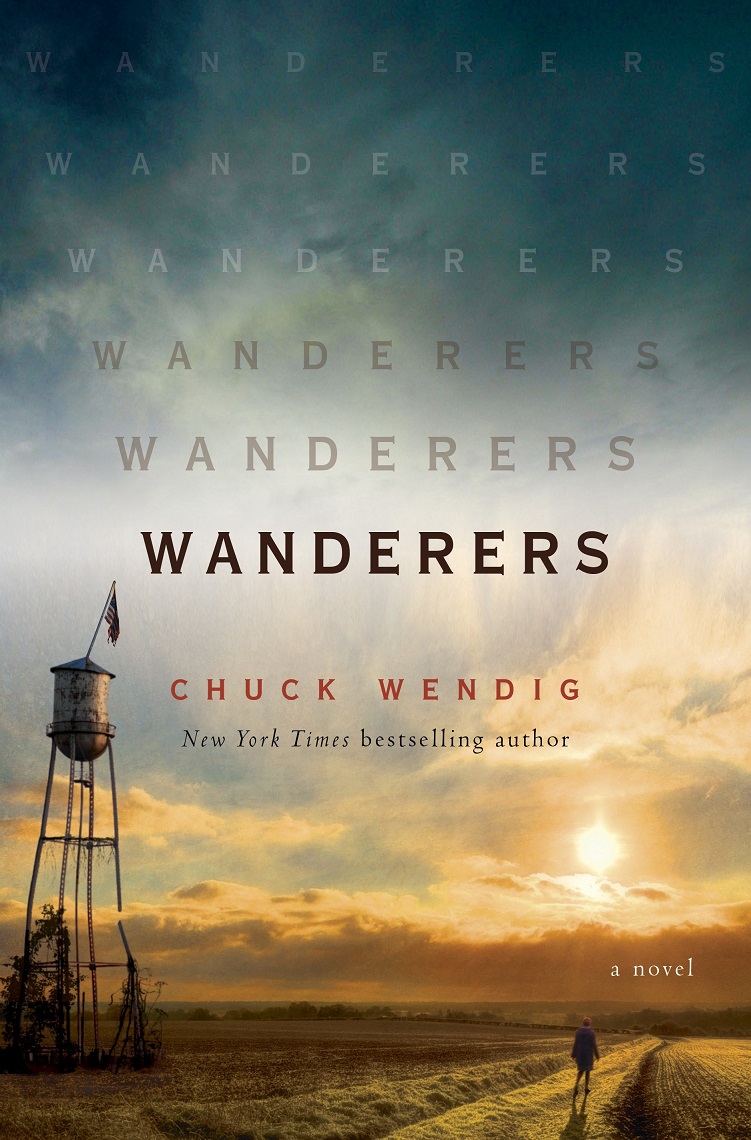
The apocalyptic/post-apocalyptic novel…one of the mainstays of Science Fiction for almost as long as the genre has been around. … Chuck Wendig’s Wanderers, as of 2019 was the latest (and an instant classic) entry in the apocalyptic novel category.
For me, they [The Stand and Swan Song] are the two high-water marks of the Epic Apocalyptic Novel – grand events, large cast of characters, great characterization, some science that leans heavily on frightful plausibility (with the science featured in Wanderers some of the most well-thought out and chilling in a novel of this scale and nature), and underlying currents of mingled fear, dread, and horror. Having followed Chuck Wending online on Twitter and the Science Fiction/Fantasy/Horror community and chatted with him, he’s mentioned these two books as big influences. Knowing that, I’d say Sai Wendig has shown himself at the very least an equal storyteller/writer of the Epic Apocalypse with Wanderers. For me, it is an instant classic, an immediate Modern Masterpiece of the genre, and will probably be my favorite 2019 novel, and a book I will hold very high in my pantheon for years to come.
Ashes of the Sun by Django Wexler (2020)
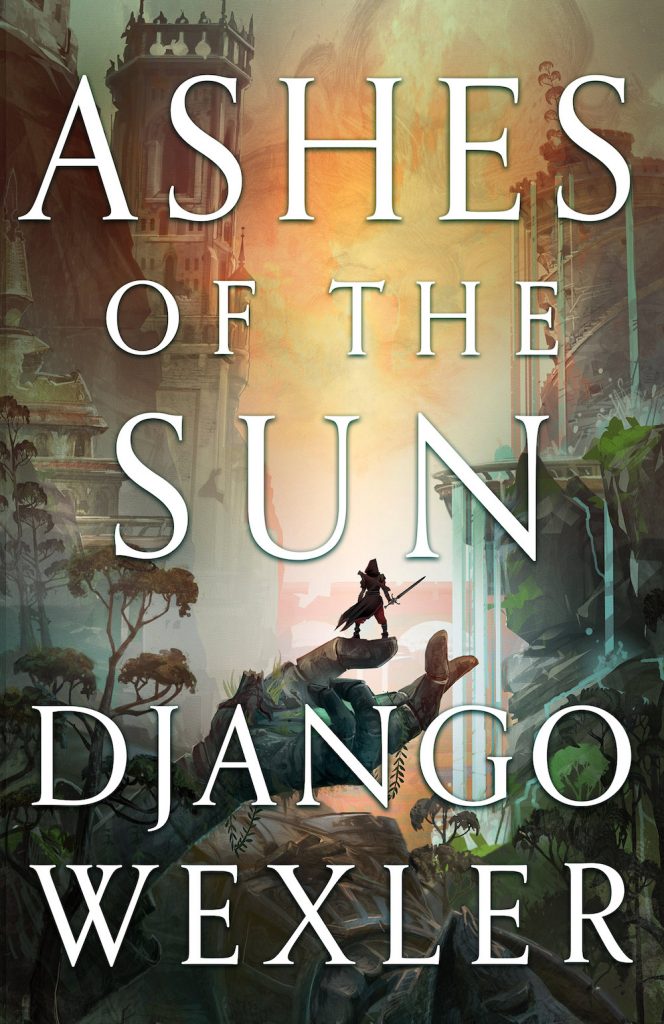
This is a recent release (2020) and a book that hit every single button so well for me. I enjoyed Django Wexler’s Shadow Campaigns saga, but this was a leveling up, in my humble opinion. From my review:
I’ve always been fascinated with Post-Apocalyptic stories and this one is very much in that vein, but the apocalypse here was magical in nature rather than scientific (i.e. nuclear war or plague). This allows for remnants of ancient techno-magic from the lost civilizations of the Chosen and the ghouls who fought in the Plague War 400 years earlier to pepper the landscape and world. Remnants like the aforementioned plaguespawn, which are essentially creatures like Frankenstein’s monster, but with non-human body parts added to the mix, all held together by the magic the ghouls wielded. Another example are skyfortresses which were utilized by the precursor society before and during the Plague War. There are many other hints at the past of the world, both before the cataclysmic Plague War and the Plague War itself. I also get hints of Steampunk/Clockwork elements that only enhance the world. In short, Wexler imbues a deep history to this milieu and I am 100% on board for anything he does in this world. … Ashes of the Sun is an enormously fun, thought-provoking novel that is an outstanding launch novel for a series.
Black Sun by Rebecca Roanhorse (2020)
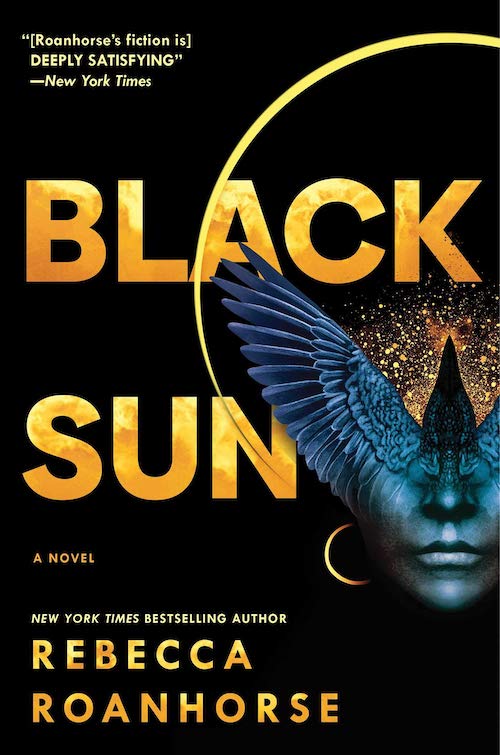
When the opening line of a novel is “Today he would become a god,” you know you are in store for something epic. … Black Sun is an outstanding novelistic achievement – expertly drawn characters, fascinating and refreshing worldbuilding, and potent and magnetic narrative/plotting, make this a contender for best fantasy novel of the year. Roanhorse has outdone herself in this novel (and her two Sixth World novels are pretty damned good!).
Another cheat, here are some other books that just missed the cut:
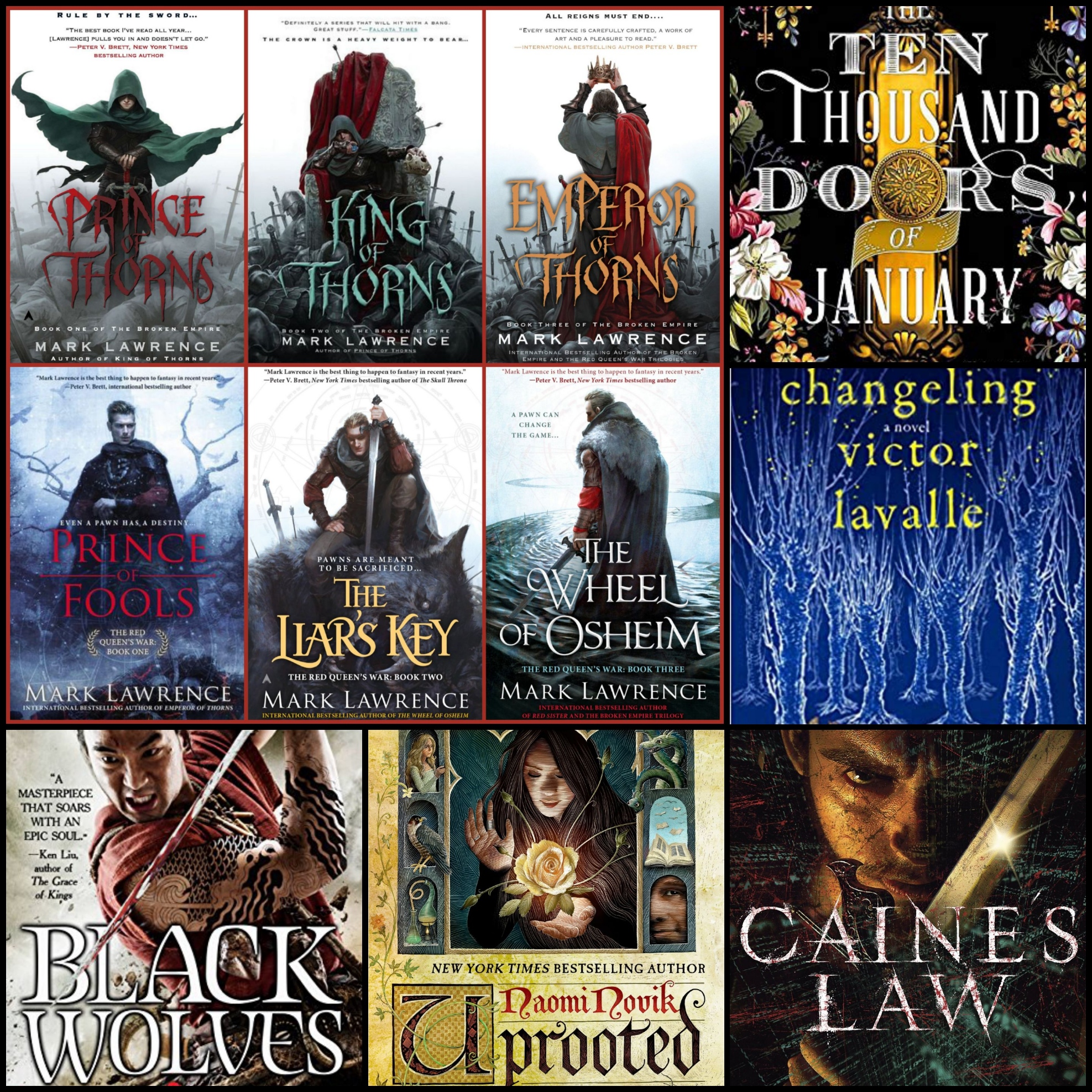
The Kings of Eternity by Eric Brown (2011); Caine’s Law (Acts of Caine #4) by Matthew Stover (2012); Defenders by Will McIntosh (2014); Black Wolves by Kate Elliott (2015); Uprooted by Naomi Novik (2015); The Long Way to a Small Angry Planet by Becky Chambers; The Changeling by Victor LaValle (2017); The Ten Thousand Doors of January by Alix Harrow (2019),; the two connected trilogies by Mark Lawrence, The Broken Empire (2011-2013) and The Red Queen’s War (2014-2016).
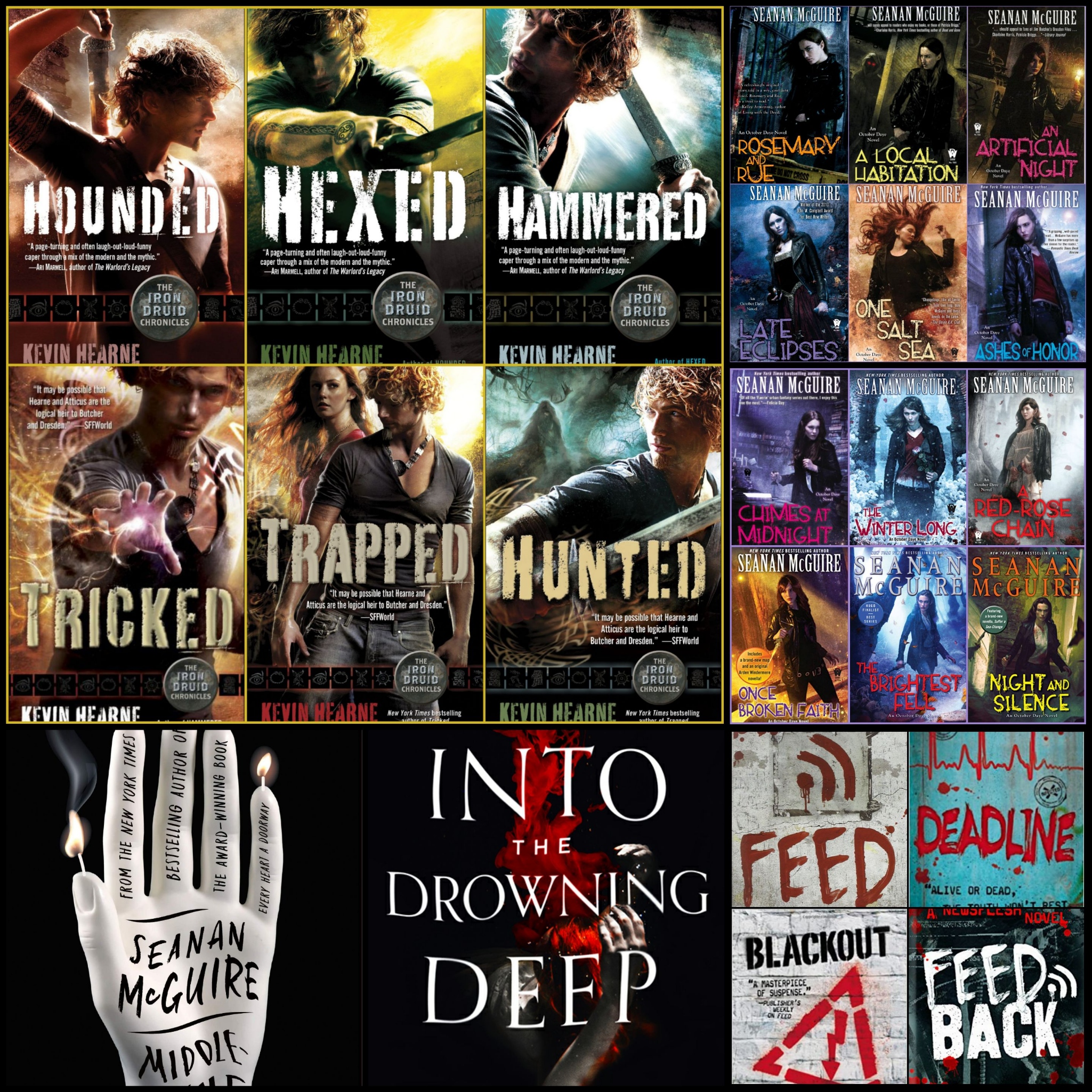
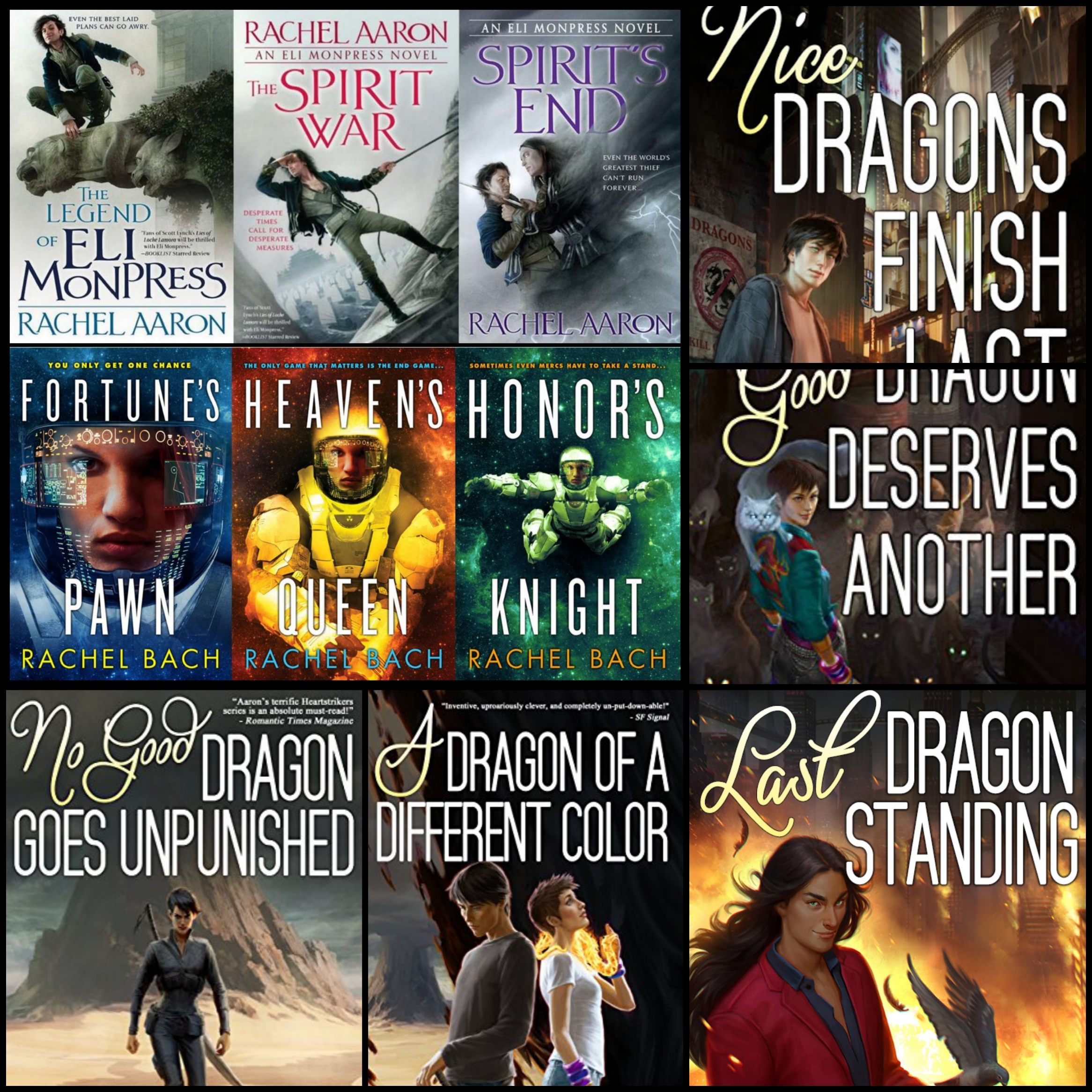
Authors who emerged as favorites this past decade include Rachel Aaron, Robert Jackson Bennet, James S.A. Corey, Kevin Hearne, Grady Hendrix, Mary Robinette Kowal, Seanan McGuire, V.E. Schwab, Chuck Wendig, and Django Wexler
Rob Bedford lives in NJ with his wife and dog. He has been a part of the SFFWorld team for 20 years contributing book reviews, interviews, articles like this, and is a lapsed forum moderator. He has a blog about stuff, (which hasn’t been updated in a couple of years) and wrote for the sadly closed SF Signal as well as Tor.com. He also maintains a “craft” beer blog his wife ingeniously named The Tap Takeover. If you want to read random thoughts about books, beer, TV, his dog, and beer you can follow him on Twitter: @RobHBedford.


You know, I’ve been meaning to read The Expanse for ages, but format drives a lot of my reading pleasure and I’ve been waiting for a mass market paperback . . . which I’m beginning to think will never come. 🙁
No argument with the Fitz and the Fool Trilogy, but Black Sun surprises me – that was one of my top 3 disappointments last year.