Welcome to our now-traditional look over what we at SFFWorld have enjoyed this year. We have tried to limit our choices to five in each category, although as you will see, this can vary. Most are in alphabetical order, or no order of preference.
Part 2: Horror Books
The staff involved this year at various stages in the four parts are Rob Bedford, Mark Chitty, Randy Money and Mark Yon.
—————————————–
Part 2: Horror Books
Rob Bedford: Horror had an incredible year in 2024, more than half of what I read in 2024 fell squarely into Horror, including 2024 releases. It was very tough to narrow down which one I thought was best, but the titles with “Horror” in the title were the top 2 for me (Ron Malfi and Paul Tremblay), so I’ll just go alphabetical by author.

It Will Hurt for Only a Moment by Delilah S. Dawson – This one snuck, FORCED, itself into my list at almost the last moment. (See what I did there?) I picked this book up at NY Comic Con in October, but didn’t read it until just before Christmas. By this point, I supposed I’m pre-disposed to enjoy Delilah Dawson’s horror novels. But she still manages to surprise me with her stories in the best ways. The protagonist here is a woman on the run from an abusive relationship hoping to find refuge in a artist’s community. However, with this community sharing the same expansive property of a 200-year-old abandoned hotel, nothing can go wrong, can it? Of course, it can when a body is dug up, experienced artists are injured creating their art, and some of the artists begin behaving rather eccentrically, even for artist. Dawson’s ability to capture dreadful tension, well-drawn characters, and feminist themes come together masterfully in this haunted tale.
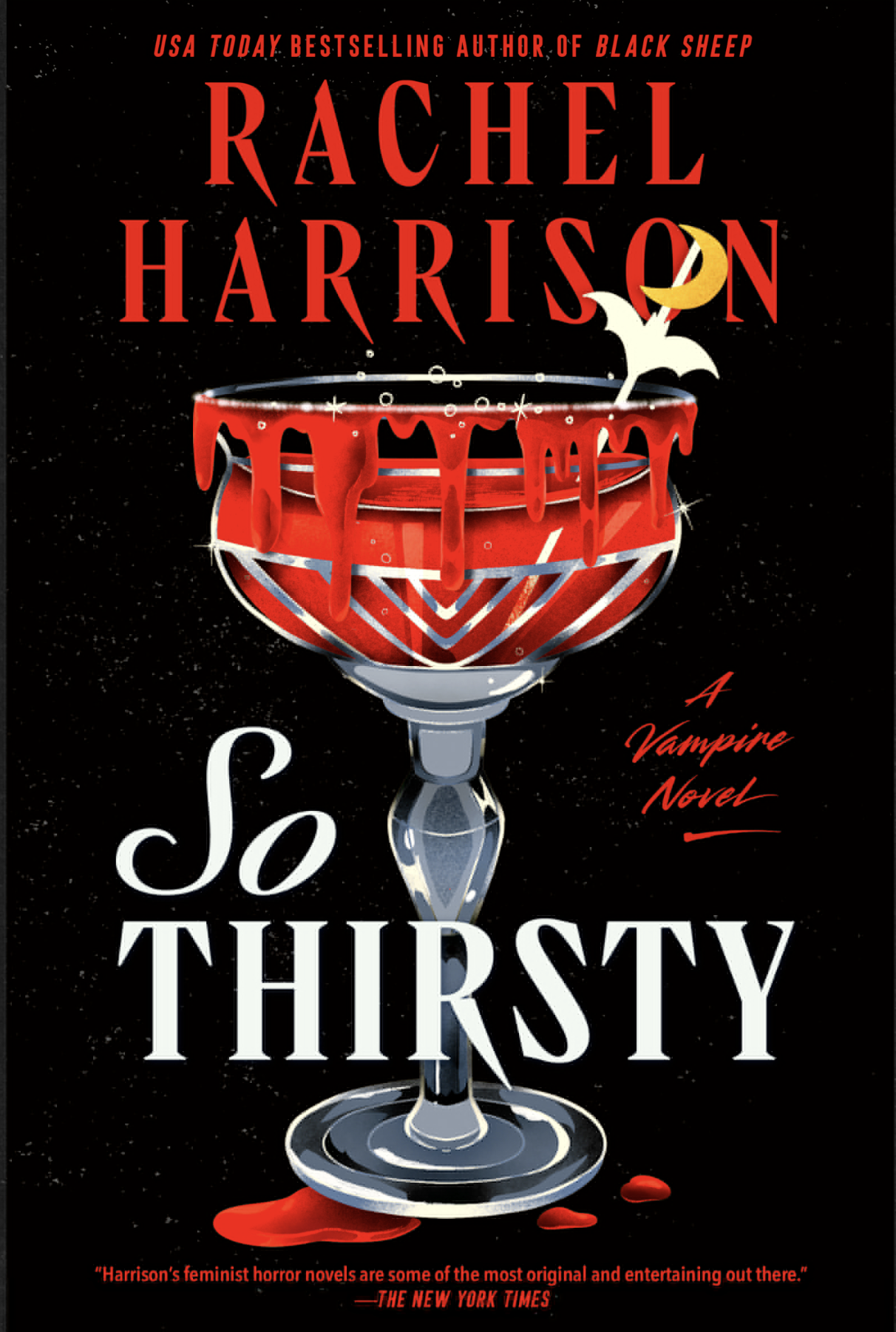
So Thirsty by Rachel Harrison – With each novel Rachel Harrison publishes, she captures a horror trope/creature magnificently and definitively. So Thirsty is her take on vampires and features her trademark characterization and ability to capture the importance of friendship and companionship between two women. “Harrison has proven quite adept at in her tales of horror is having a big WHAM moment that changes the course of the narrative. The WHAM moment in Black Sheep was extremely powerful and the similar moment here in So Thirsty was nearly as effective. Both were great, don’t get me wrong. … Two films kept surfacing in my head while I was reading the novel, Kathryn Bigelow’s vampire masterpiece Near Dark and the iconic Thelma & Louise. A traveling band of vampire rogues, two women who rely on their friendship through challenging times (an extreme oversimplification, I know). I’m left wanting more, though.”

Children of the Dark 2: The Night Flyers by Jonathan Janz – Although Janz isn’t new to the horror genre, I only “discovered” him about 3 years ago and since then, he’s probably the horror writer whose novels to which I’ve most connected and most enjoyed. The first Children of the Dark was initially published in 2016, it was reissued in 2024 to coincide with the sequel. Both were featured in our Countdown to Halloween 2024, here’s some of what I said about the sequel: “A lot is packed into this one: growing up without a father, living in the shadow of a parent who is an addict, a family that is not the happy veneer it seems to be, teens being seen as dishonest, standing up for yourself and those you love. With all those emotional elements, Janz brings plenty action to the story. Some wonderful, tense, gripping set pieces when the monsters and humans come into physical conflict with each other were fantastic and felt genuine.”

Small Town Horror by Ronald Malfi – Malfi is another writer who has been publishing for about a decade whose wonderful work to which I’ve recently become wise. This one is another example of a master at his work: “Several elements of Small Town Horror makes the novel such a page-turning addiction. There’s the familiarity of the story structure, Stephen King’s IT comes to mind (or even for this long time fantasy reader, Weis & Hickman’s DragonLance Chronicles) with the reuniting friends. There’s the specter of the past like King’s IT or even Straub’s Ghost Story. Malfi lulled me in with those elements. … What helped to keep me going along with these characters was the central mystery, or rather what was not being revealed about the central mystery – just what exactly happened on that fateful July 4 in 2003. It was driving me a little crazy (in the best way because I kept me reading).”
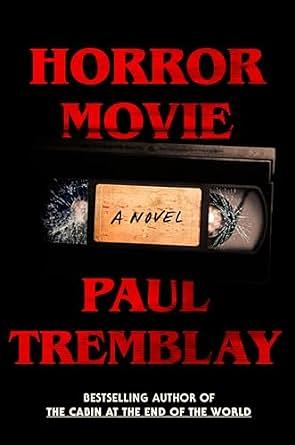
Horror Movie by Paul Tremblay – I didn’t review this one, so hopefully I can be forgiven for that. But suffice it to say, Tremblay crafted a rather unique novel that blends reality and fiction through the use of a cursed film. (Three 2024 novels I read feature cursed film/filmmakers!). One survivor of a cursed film production from 1993, known only as The Thin Kid, remains. When “enterprising” filmmakers wish to revisit this cursed production, they enlist the aid of The Thin Kid to bring the script and movie to life. Horror Movie delights in playing with the reader, teasing out what is real, what is imagined, and what just might be supernatural. The standard prose is interspersed with script pages making for a mixed media sort of novel that only adds to the blurred lines of horrific fantasy and reality. Since reading A Headful of Ghosts by Tremblay I’ve considered that novel a Mount Rushmore novel of 21st Century Horror fiction and I think Horror Movie is probably at least as good as that. It is certainly rattling around in my head today just as is Headful.

Honorable Mentions: Clown in a Cornfield 3: The Church of Frendo by Adam Cesare, A Misfortune of Lake Monsters by Nicole M. Wolverton, A Haunting in the Arctic by C.J. Cooke, This Cursed House by Del Sandeen (which was the best horror debut I read in 2024).
Randy Money: 2024 has not been a prolific reading year for me. As I write this, I’ve completed the fewest books I’ve read since 2015. Fortunately for me, I’ve enjoyed what I’ve read.
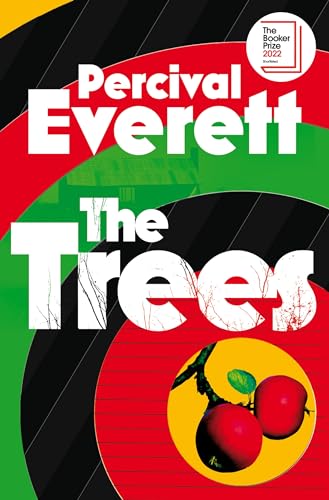
The most impressive book I read this year was The Trees by Percival Everett. Everett is probably best known for Erasure, basis of the movie, American Fiction (featuring a great performance from Jeffrey Wright), and James, a retelling of The Adventures of Huckleberry Finn from the perspective of the slave, Jim. The Trees, though, stems from genre, fantasy/horror, and is a satirical and often laugh-out-loud funny novel. Some of the funny will make you wince, though, wondering if you should be laughing at that, which I believe was Everett’s intention. Probably best if you go into it not knowing too much.
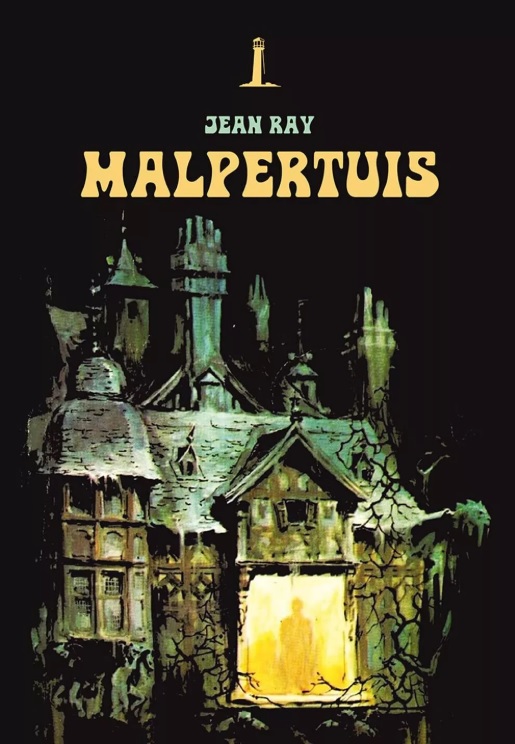
Malpertuis by Jean Ray is, ostensibly, a haunted house story, a haunted house in which a family is trapped by the will of the late owner. And things in Malpertuis get increasingly weird as Ray incorporates family history, arcane magic and figures of the past, and presents what I think is an early dark fantasy, both Gothic and inflected with moments of horror.

Before reading The Trees I’d expected to point at Stephen Graham Jones’ Indian Lake Trilogy as the best I’d read this year, and in most years it would have been: My Heart is a Chainsaw, Don’t Fear the Reaper and The Angel of Indian Lake are entertaining, sometimes funny, sometimes heart-breaking, occasionally gross and well worth the time of any reader interested in where the horror genre is now. Featuring the coming-of-age story of Jennifer “Jade” Daniels, Jones has the knack creating an engrossing narrative by weaving his preoccupation with the accumulated mythology of slasher movies with his life experience and heritage as a Native American (Blackfeet).
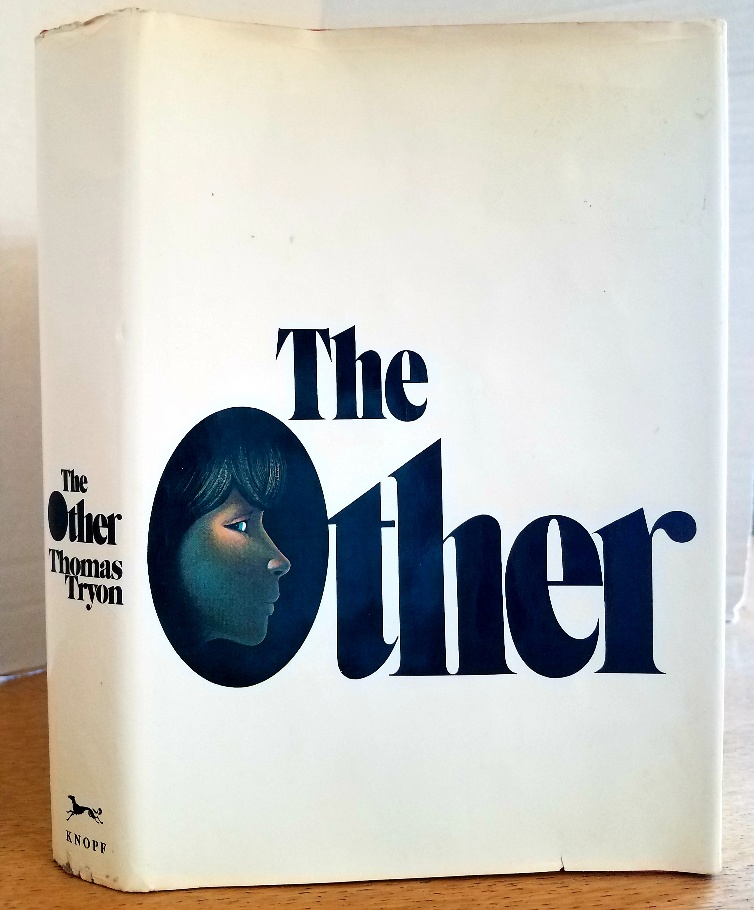
The Other by Thomas Tryon is a foundational novel of late 20th century horror and one of the three novels acknowledged by critics and fans as precipitating the horror boom of the 1970s and 1980s. In spite of its popularity and best-seller status when published, it hasn’t maintained the high profile of the other two (Rosemary’s Baby and The Exorcist). A reread this year, many, many years after my first reading, proved to me that it deserves its status and should be required reading for anyone who wonders how the horror novel developed over the last 60 years.

Other good reads this year included two story collections Japanese Tales of Mystery and Imagination by Edogawa Ranpo and A Maze for the Minotaur by Reggie Oliver. Ranpo was a prolific and popular writer of mystery/crime stories in Japan from between the world wars into the 1950s; Edgar Allan Poe was an early influence on him and the stories in this collection reflect a similar fascination with unhealthy states of mind. Oliver is the latest in a long line of British writers of ghost stories, producing briskly told, elegantly written and immensely entertaining tales; it’s a win for readers that his publisher, Tartarus, has produced affordable trade paperback editions of several of his collections.

One non-fiction book I read this year is likely to guide my reading for the next couple of years: 101 Horror Books to Read Before You’re Murdered by Sadie “Mother Horror” Hartmann is a valuable guide to written horror in the 21st century. Hartmann highlights individual books across a wide range of horror sub-genres, and several writers like Paul Tremblay and Tananarive Due who are producing substantial bodies of work in the genre.
Mark Yon:

Night and Day by John Connolly
A book of two halves, John’s book combines creepy goings on with a personal rumination on life and family inspired by his personal memories of the 1972 horror movie, Horror Express. I said that “Night and Day can be seen as a miscellany of ‘odds and sods’, as we used to say, in terms of its variety and content. This means that it runs the risk of also becoming a bit of a curate’s egg for some readers, but personally I found this eclecticism both impressive and engaging, as a book you can dip into as you wish. Beyond the variety of the content, the quality of the material remains strong. I think that the book is worth reading just for the fiction alone, but it may be the non-fiction article, with its biographical details and personal asides, that is more lastingly memorable.”
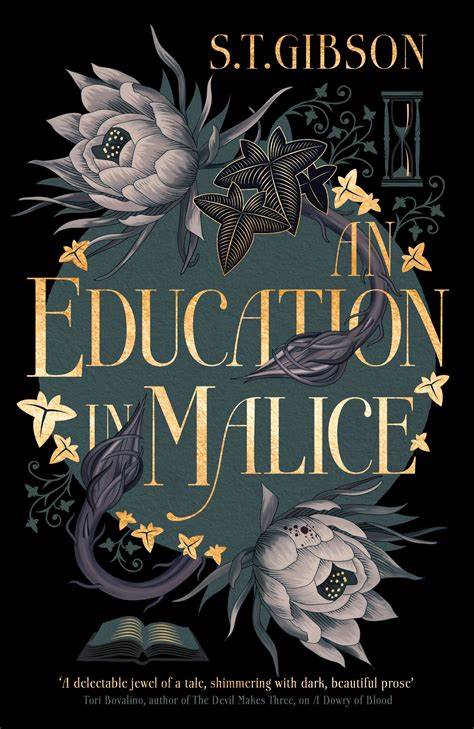
Education in Malice by S. T. Gibson
Gothic horror now. S. T. is a fairly new author who seems to be making waves with her combination of gothic ambiance and eroticism. I said in my SFFWorld review that this may be her best so far. “The good news then is that with An Education in Malice Gibson may have found her voice. I enjoyed this one much more than (her previous novel) A Dowry in Blood, so much so that I think that in the dark academia realm Gibson may be one to watch in the future. For anyone who wants a sapphic vampire story set in an academic environment, this may be for you.”
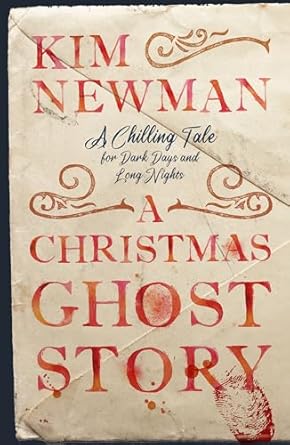
A Christmas Ghost Story by Kim Newman
Kim’s latest is a novella that takes the traditions of Christmas and turns them upside down. Filled with cultural references such as the Internet, self-publishing books and mobile phones, bad telly and unpleasant food, the story tells of Rust and his mother, isolated in a snowy English village. What begins as something like the front of a chocolate box soon becomes something more sinister. I said that: “It is so tightly written, it could be a script from the Gilmour Girls. Each line, sentence, phrase has meaning, skilfully crafted. If you blink, you’ll miss a wry comment, a witticism, a detail. Being a Newman book, it is also filled with his trademark cultural details on television (the BBC’s Ghost Stories for Christmas, for example), films and books (Dickens, M. R. James etc). Kim also manages to make some wry comments on self-publishing!”

Out There Screaming Edited by Jordan Peele and John Joseph Adams
One of the few story collections I’ve managed to read this year. I was both pleased and surprised that the book did not beat me over the head with moral messages quite as much as I thought it would. Although there was one story I really disliked, the majority were excellent: “I usually find that the sign of any good story collection is whether on balance I liked more stories than I disliked, to which Out There Screaming is a resounding success. The range of stories is nicely eclectic, the moralising not heavy-handed and valid. Many of these would make good episodes in an anthology television series, I think, although oddly perhaps not the one written as a script!
In summary, Out There Screaming is as effective a collection of contemporary horror writing as you will find. Embracing established writers and newcomers, I am not surprised to see this one as a finalist for the 2024 Locus Awards, and expect to see it on other award nomination lists this year. (In fact, the night before I type this the book has won the British Fantasy Award 2024 for Best Collection.) Recommended.”

Also of merit: Two welcome rereleases. Dark Carnival by Ray Bradbury was a book I’ve been waiting for in this complete form for decades. It’s an impressive package that didn’t disappoint. I said that “…if you want to see why Bradbury was so well regarded in the 1940’s, then this collection is a must. Whilst Fahrenheit 451 (published 1953) and Something Wicked This Way Comes (published 1962) show more complexity and depth, Dark Carnival shows Bradbury’s range as an author of stories. Full of ideas, funny (both in humorous sense as well as odd), eerie, nostalgic and yes – weird, they encapsulate Bradbury’s early strengths in short form – brief but memorable, poetic and creepy, even gleefully gory. I will keep coming back to reread these in this particular collection. I would recommend that you don’t read this collection all at once, but take your time to work through it for the stories to have their fullest impact. It’s worth it- after all, It’s only taken me 44 years, but I’ve finally got what I wanted. The wait was worthwhile!”
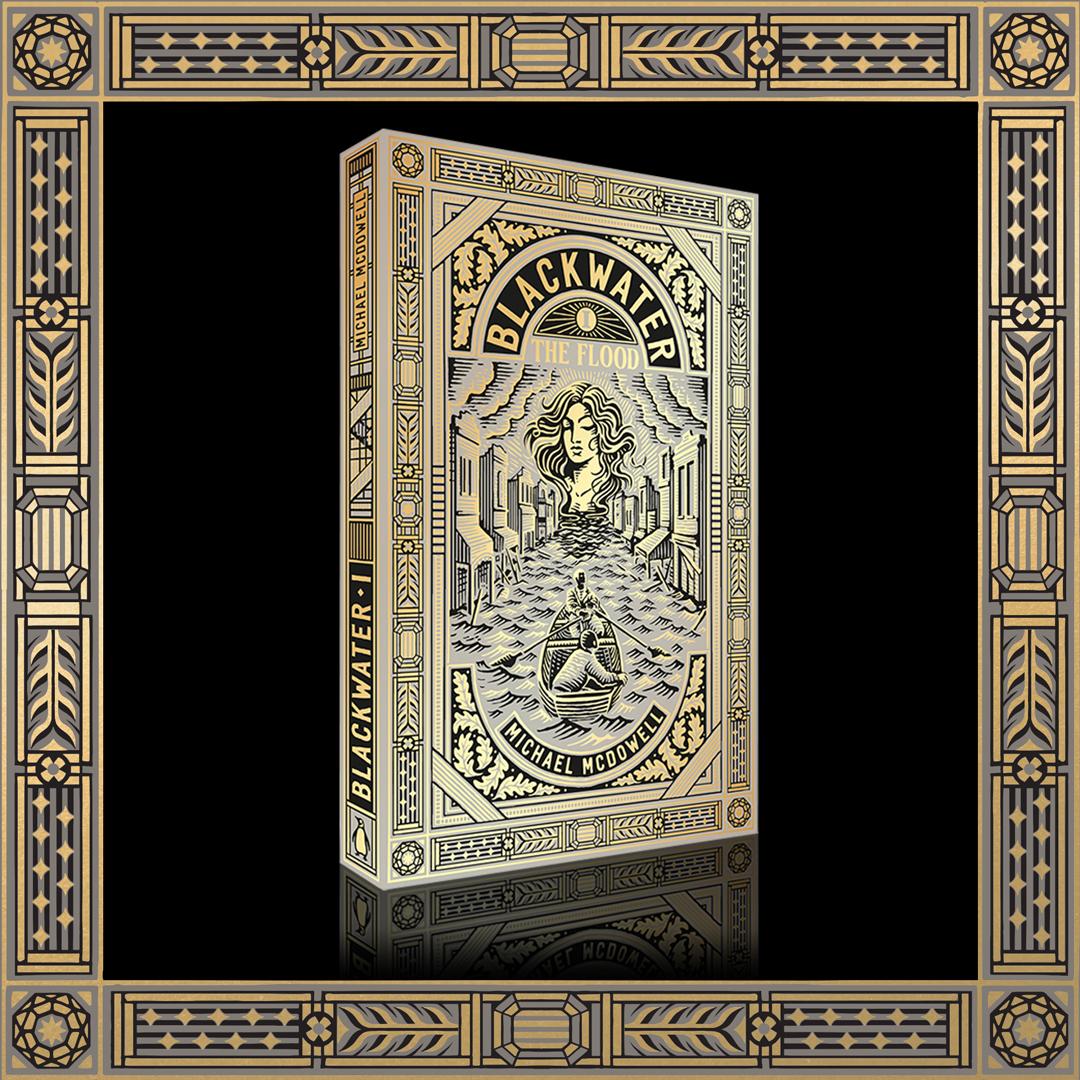
Secondly, the UK release of Michael McDowell’s Blackwater in six parts was a nice surprise. When I reviewed the first part, The Flood, I said that “ It’s a slow-burn story, but by the end of the first part I really wanted to read the next part straight away, as it’s clear that after all of this setting up of the plot, things are about to happen. Now that I have a knowledge of the Caskey family and Perdido, the story has now hooked me enough to want to know what happens to these characters next. I suspect things are only going to get worse for the family. I look forward to the next part.”

Lastly, Out of the Drowning Deep by A. C. Wise is a strange tale of cosmic horror. Short but strangely affecting.